
Condiment10 recipes
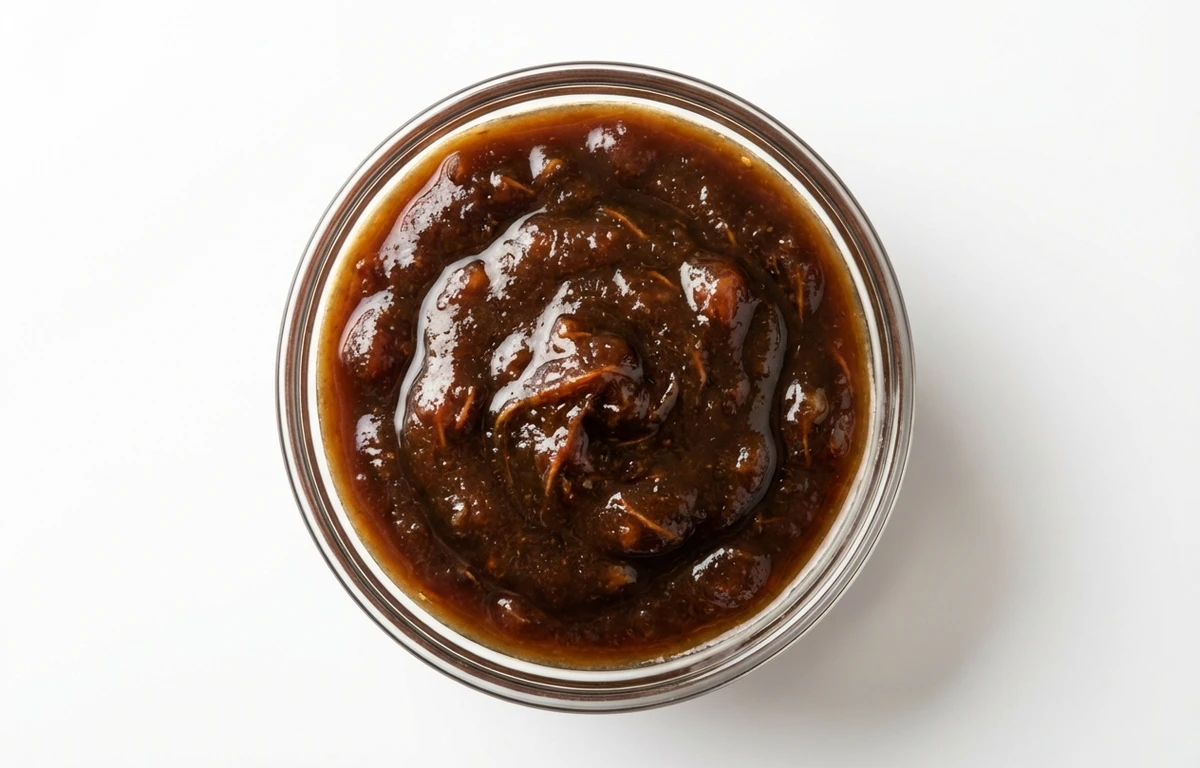
tamarind concentrate.
VegetarianVeganGluten-freeDairy-freeNut-freePeanut-freeSoy-freeEgg-freeShellfish-freeHoney-freeAlcohol-free
ALSO KNOWN AS
ImliHunasehannuTamarindoSeedless Tamarindimli pulpimli ka gudapulichintapanduvalan pulitamarind fruit pulptamarind pasteimli concentrateimli pastetamarind extractpulp of tamarindtamarind pureetamarind concentratetamarind pulpimli ka pastepâte de tamarin
SERVING
CALORIES
239
PROTEIN
2.8g
CARBS
62.5g
FAT
0.60g
FIBER
5.1g
NUTRITION PROFILE · per 100 g
Everything in this ingredient.
MACRONUTRIENTS
Calories239kcal—
Protein2.8g6%
Carbohydrates62.5g23%
Fiber5.1g18%
Sugar38.8g78%
Total fat0.60g1%
Saturated fat0.27g1%
Trans fat0g—
Cholesterol0mg0%
Water31.4g—
MINERALS
Sodium26mg1%
Potassium628mg13%
Calcium74mg6%
Iron2.8mg16%
Magnesium92mg22%
Phosphorus113mg9%
Zinc0.10mg1%
Copper0.08mg9%
Manganese0.40mg17%
Selenium1.3µg2%
VITAMINS
Vitamin A2.0µg0%
Vitamin C3.5mg4%
Vitamin D0µg0%
Vitamin E0.10mg1%
Vitamin K2.8µg2%
Thiamin (B1)0.43mg36%
Riboflavin (B2)0.15mg12%
Niacin (B3)1.9mg12%
Pantothenic acid (B5)0.14mg3%
Vitamin B60.07mg4%
Folate (B9)14µg4%
Vitamin B120µg0%
%DV based on a 2,000 cal diet. Source: USDA FoodData Central. A dash in the %DV column means there’s no established Daily Value for that nutrient.
MEASUREMENT CONVERSIONS
How much is what.
1 cup336g
1 tablespoon21g
1 teaspoon7g
1 oz28.4g
1 lb453.6g
1 ml1.4g
1 liter1400g
HEALTH BENEFITS
Why eat it.
- ✓Rich in polyphenols with antioxidant properties
- ✓Supports heart health by managing cholesterol levels
- ✓High magnesium content aids in nerve and muscle function
- ✓Natural laxative properties support digestive health
- ✓Contains hydroxycitric acid which may aid weight management
COOKING TIPS
In the kitchen.
- 1Dilute with warm water before adding to sauces for even distribution
- 2Add toward the end of cooking to preserve its bright, tart flavor
- 3Use to balance heat in spicy dishes or sweetness in desserts
STORAGE
Keep it fresh.
- Store unopened jars in a cool, dark, and dry pantry
- Refrigerate immediately after opening to maintain freshness
- Always use a clean, dry spoon to prevent mold growth
FAQ
Frequently asked questions.
How long does tamarind concentrate last after opening?
When refrigerated in an airtight container, it typically lasts for 6 to 12 months.
What is the best substitute for tamarind concentrate?
A mix of lime juice and brown sugar, or pomegranate molasses, are the closest substitutes.
Is tamarind concentrate the same as tamarind pulp?
No, concentrate is more potent and seedless, while pulp often contains seeds and fiber and requires soaking.
Can I freeze tamarind concentrate?
Yes, you can freeze it in ice cube trays for easy portioning; it stays good for up to a year.
How do I know if tamarind concentrate has gone bad?
Look for mold on the surface, an off-smell, or significant changes in color and texture.
Is tamarind concentrate gluten-free?
Pure tamarind concentrate is naturally gluten-free, but always check labels for additives.
What are common dishes that use tamarind concentrate?
It is a staple in Pad Thai, Indian Sambhar, chutneys, and various Southeast Asian curries.
Does tamarind concentrate contain added sugar?
Pure concentrates do not, but some commercial 'tamarind sauces' or 'pastes' may have added sugar or salt.
How much concentrate should I use if a recipe calls for tamarind pulp?
Generally, use 1 tablespoon of concentrate for every 2 tablespoons of pulp requested.
RECIPES
Cook with tamarind concentrate.
10 recipes · sorted by what’s quick



















