Loading...

Per 100g
Nutrition data source: USDA FoodData Central
Common measurement equivalents in grams

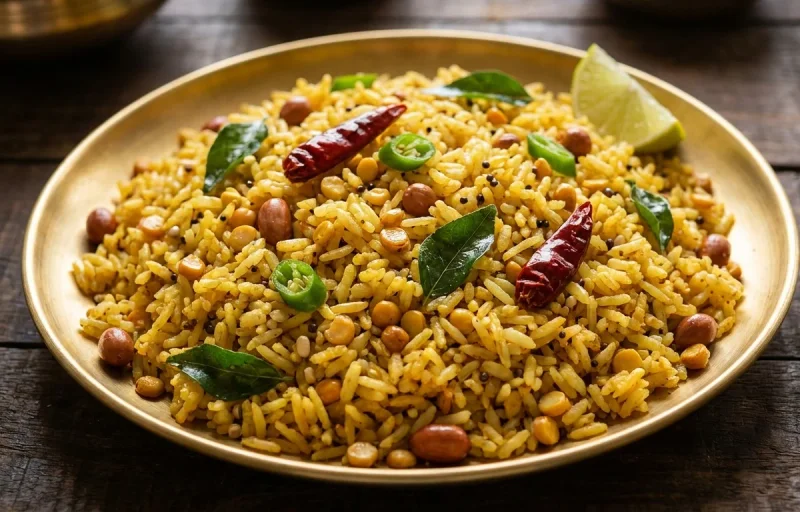
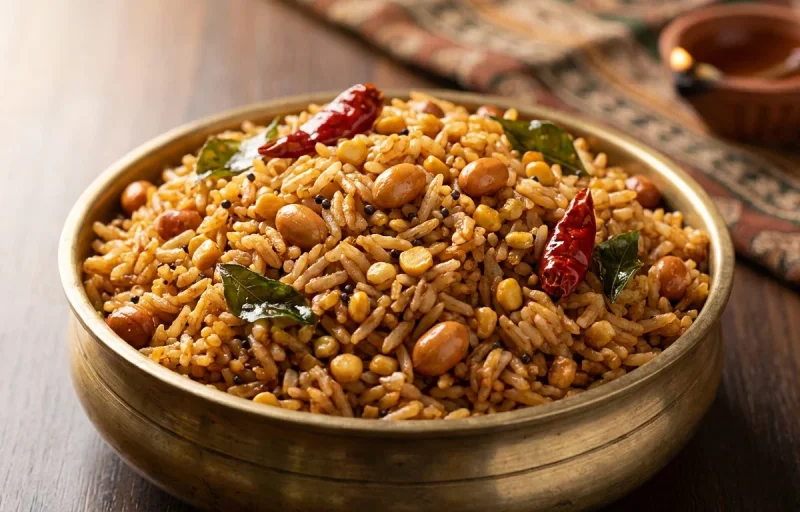
A classic South Indian tamarind rice that's tangy, spicy, and savory. This festive dish is made by mixing cooked rice with a special tamarind paste and a crunchy tempering of lentils and peanuts.

A classic South Indian tamarind rice, bursting with tangy, spicy, and savory flavors. This beloved temple-style dish features rice mixed with a special tamarind paste and crunchy peanuts.
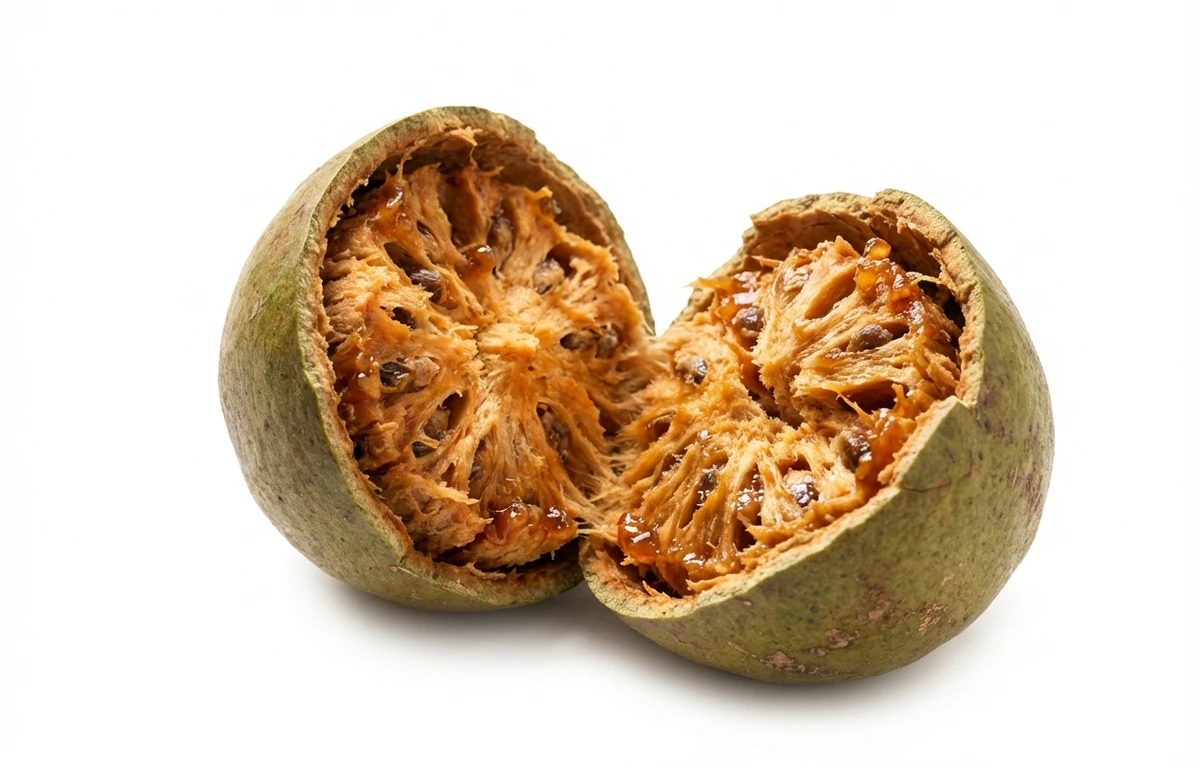
Yes, tamarind paste is highly nutritious and rich in polyphenols, which provide powerful antioxidant benefits. It is also an excellent source of magnesium, which supports bone health, nerve function, and muscle control.
Tamarind paste contains approximately 239 calories and 62.5 grams of carbohydrates per 100g. Because it is relatively high in natural sugars and carbs, it is best used as a flavoring agent in moderation.
Yes, tamarind has been used traditionally to aid digestion and relieve constipation. Its high tartaric acid and fiber content act as a natural digestive aid and can help regulate bowel movements.
Pure tamarind paste is naturally both vegan and gluten-free, as it is derived solely from the fruit of the tamarind tree. However, always check the label for any added thickeners or preservatives that might contain gluten.
Tamarind paste is generally not keto-friendly due to its high carbohydrate content of over 60g per 100g. While a very small amount used for seasoning might fit some low-carb diets, the natural sugars can easily exceed daily carb limits.
Tamarind paste has a distinctively sour, tangy, and acidic flavor with subtle sweet and earthy undertones. Its tartness is often compared to lime or lemon but with a much deeper, fruitier profile.
It is a key ingredient in dishes like Pad Thai, Indian chutneys, and various Southeast Asian curries and soups. It can also be used in meat marinades to tenderize protein or mixed into dressings and refreshing beverages.
tamarind paste is a versatile ingredient found in cuisines around the world. With 239 calories per 100g and 2.8 grams of protein, it's a nutritious addition to many dishes.
Explore more ingredients in the condiment category with complete nutrition information.
View all condiment →Discover 10 recipes featuring tamarind paste with step-by-step instructions.
Browse recipes →A common substitute is a mixture of equal parts lime juice and brown sugar. Pomegranate molasses or a combination of lemon juice and a touch of honey can also mimic its sour-sweet profile in most recipes.
Once opened, tamarind paste should be stored in an airtight container in the refrigerator. Due to its high acidity, it acts as its own preservative and can remain fresh for up to 12 months when refrigerated.
If you are using a smooth commercial concentrate, you can usually add it directly to your dish. However, if the paste is very thick or contains seeds and fibers, it is best to dissolve it in a little warm water and strain it before adding it to your recipe.