Loading...
Per 100g
Nutrition data source: USDA FoodData Central
Yes, tambdi bhaji is highly nutritious. It is low in calories but rich in essential nutrients like iron, vitamin C, and vitamin K, which support blood health, immunity, and bone strength.
It is an excellent source of iron and vitamin C, which helps prevent anemia. The red color comes from anthocyanins, powerful antioxidants that fight oxidative stress, while its high fiber content aids digestion.
Yes, it is very effective for weight management. With only 23 calories and 4g of carbs per 100g, it is a nutrient-dense food that provides satiety through its fiber content without adding many calories.
Yes, tambdi bhaji is keto-friendly. It contains only 4g of total carbohydrates per 100g, making it a great low-carb vegetable option for those on a ketogenic diet.
Yes, tambdi bhaji is naturally vegan and gluten-free. It is a plant-based leafy green that fits perfectly into both vegan and gluten-restricted diets.
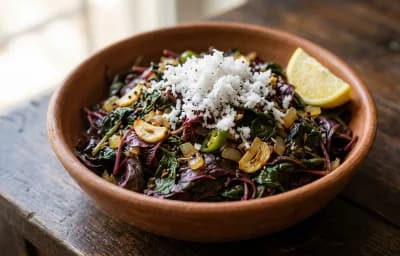
It is most commonly sautéed with garlic, green chilies, and onions. In Goan and Konkani cuisine, it is often prepared with freshly grated coconut to balance its earthy flavor.
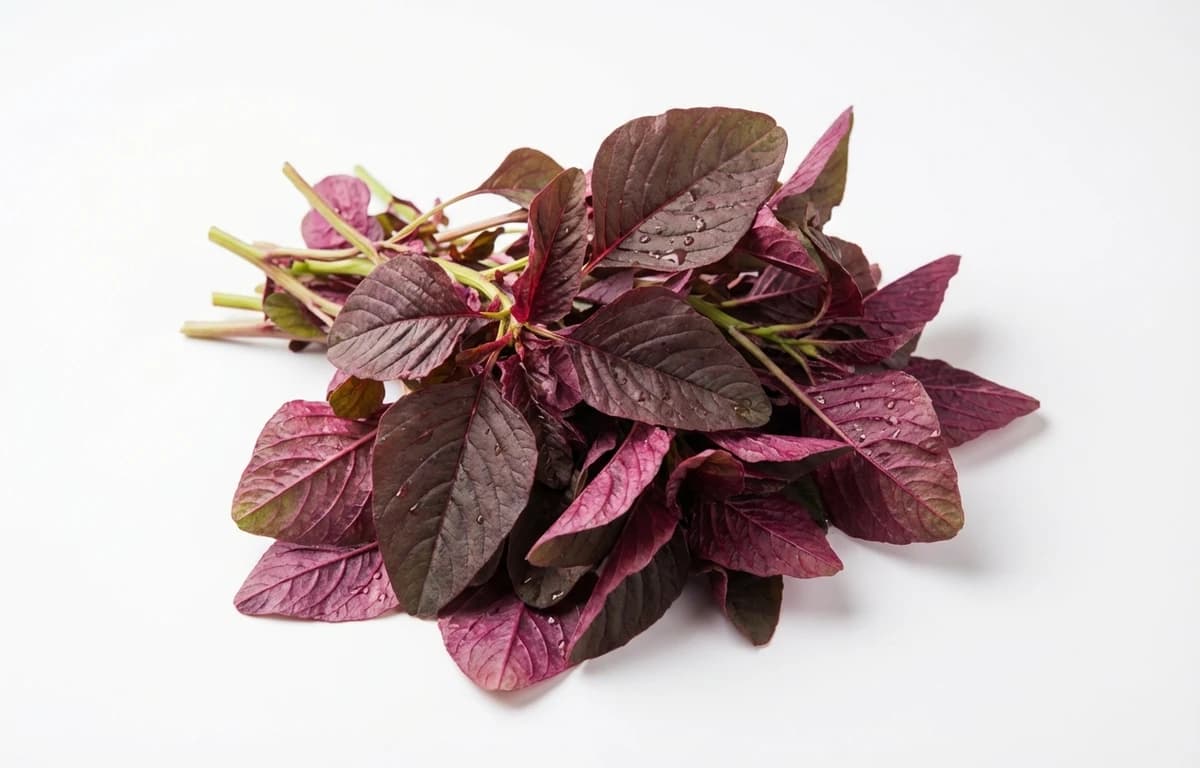
Tambdi bhaji has a mild, earthy, and slightly nutty flavor similar to spinach but with a more robust texture. When cooked, it releases a vibrant red juice that adds visual appeal to dishes.
Store unwashed leaves in a perforated plastic bag or wrapped in a paper towel in the refrigerator's crisper drawer. It typically stays fresh for 2 to 3 days; it is best consumed quickly as leafy greens wilt fast.
tambdi bhaji is a versatile ingredient found in cuisines around the world. With 23 calories per 100g and 2.5 grams of protein, it's a nutritious addition to many dishes.
Explore more ingredients in the leafy_green category with complete nutrition information.
View all leafy_green →Discover 2 recipes featuring tambdi bhaji with step-by-step instructions.
Browse recipes →Look for vibrant red or deep purple leaves that are crisp and firm. Avoid bunches with yellowing leaves, slimy stems, or a wilted appearance, as these indicate the greens are past their prime.
While young, tender leaves can be eaten raw in salads, tambdi bhaji is most commonly consumed cooked. Cooking helps reduce oxalates and makes the fiber easier to digest while enhancing the availability of certain nutrients.