Vegetable5 recipes
tapioca.
VegetarianVeganGluten-freeDairy-freeNut-freePeanut-freeSoy-freeEgg-freeShellfish-freeHoney-freeAlcohol-free
ALSO KNOWN AS
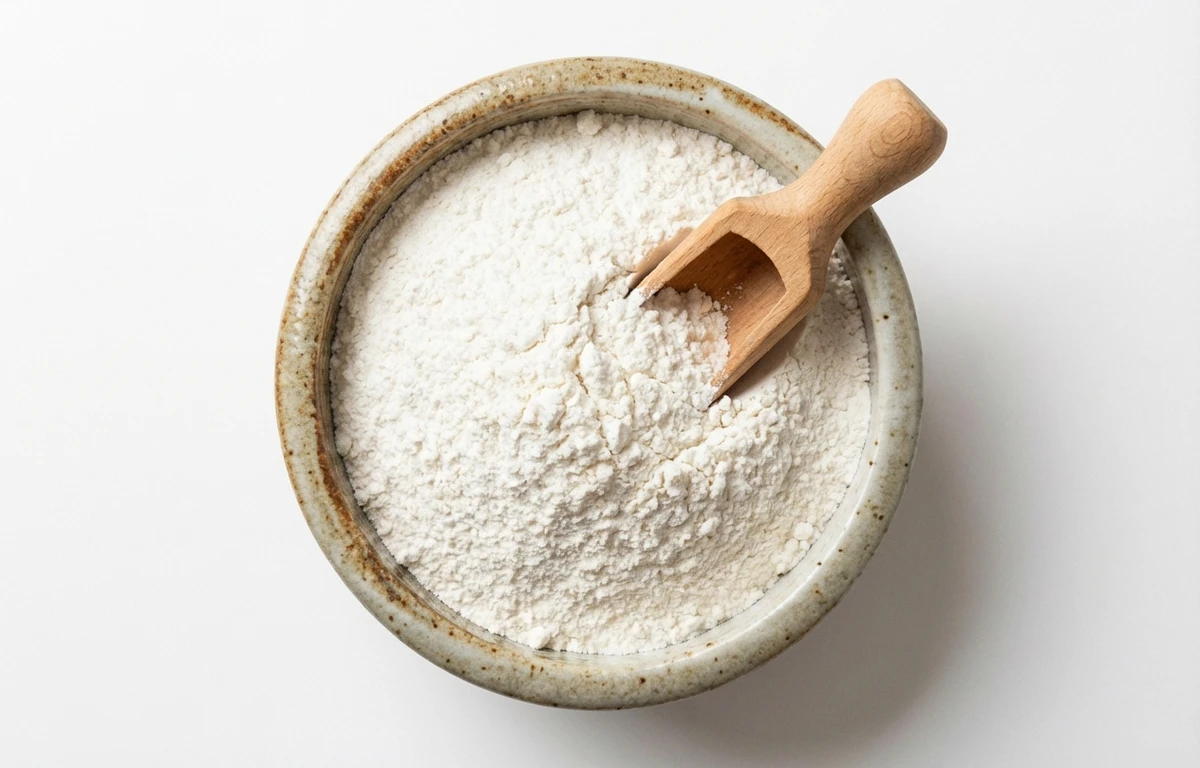
tapioca starchtapioca flourcassava starchtapioca meal
SERVING
CALORIES
358
PROTEIN
0.19g
CARBS
88.7g
FAT
0.04g
FIBER
0.90g
This ingredient is flagged as naturally gluten-free. Per 100 g, it provides 2.8 µg of vitamin K.
NUTRITION PROFILE · per 100 g
Everything in this ingredient.
MACRONUTRIENTS
Calories358kcal—
Protein0.19g0%
Carbohydrates88.7g32%
Fiber0.90g3%
Sugar0g0%
Total fat0.04g0%
Saturated fat0.01g0%
Trans fat0g—
Cholesterol0mg0%
Water11.3g—
MINERALS
Sodium1.0mg0%
Potassium11mg0%
Calcium13mg1%
Iron0.91mg5%
Magnesium23.1mg5%
Phosphorus42.5mg3%
Zinc0.17mg2%
Copper0.19mg21%
Manganese0.20mg9%
Selenium0.07µg0%
VITAMINS
Vitamin A0µg0%
Vitamin C0mg0%
Vitamin D0µg0%
Vitamin E0.19mg1%
Vitamin K2.8µg2%
Thiamin (B1)0.07mg6%
Riboflavin (B2)0.02mg2%
Niacin (B3)0.45mg3%
Pantothenic acid (B5)0.17mg3%
Vitamin B60.09mg5%
Biotin (B7)1.9µg6%
Folate (B9)25.6µg6%
Vitamin B120µg0%
%DV based on a 2,000 cal diet. Source: USDA FoodData Central. A dash in the %DV column means there’s no established Daily Value for that nutrient.
MEASUREMENT CONVERSIONS
How much is what.
1 cup152g
1 tablespoon9.5g
1 teaspoon3.2g
1 ml0.6g
1 liter633.3g
HEALTH BENEFITS
Why eat it.
- ✓Provides quick energy as it is composed almost entirely of carbohydrates, which are easily digested and metabolized.
- ✓Gentle on the stomach and easy to digest, often recommended for those with digestive issues like Irritable Bowel Syndrome (IBS).
COOKING TIPS
In the kitchen.
- 1To prevent clumping, create a slurry by whisking tapioca starch with a small amount of cold liquid before adding it to hot sauces, soups, or pie fillings.
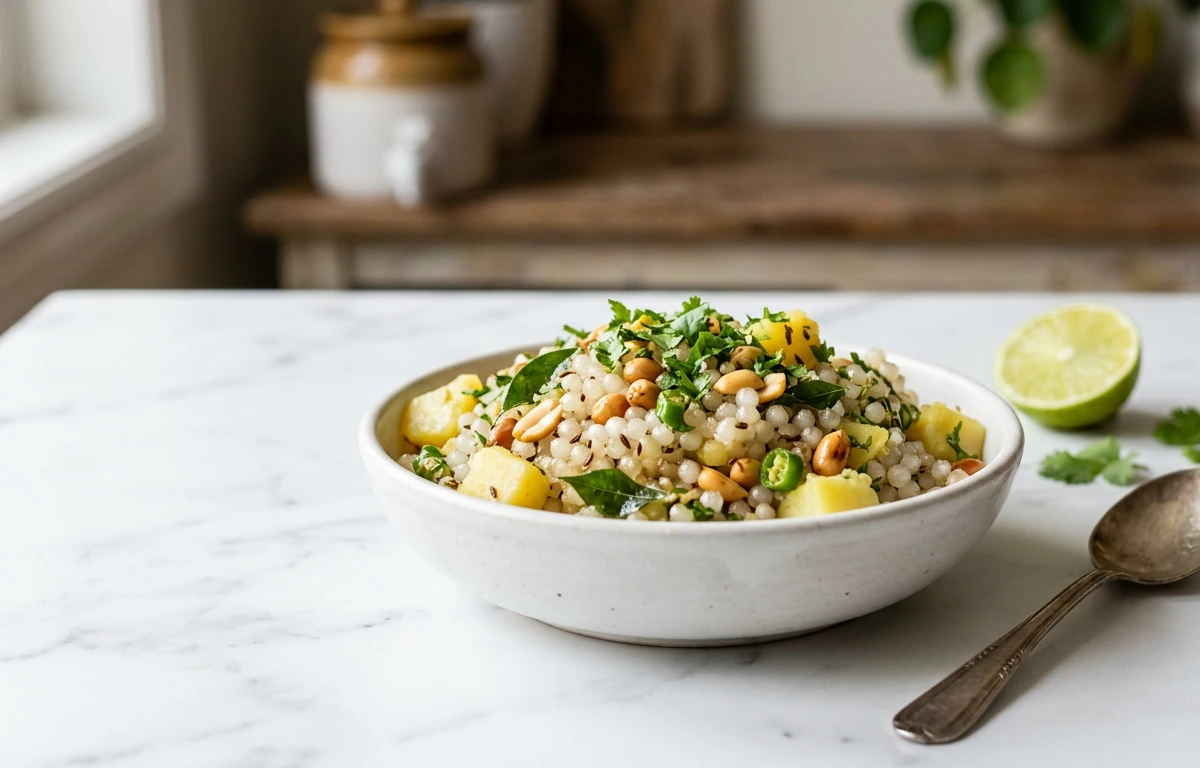
- 2Soak larger tapioca pearls in water or milk for at least 30 minutes before cooking to reduce cooking time and ensure they become fully translucent and tender.
- 3Tapioca starch is an excellent thickener that creates a clear, glossy finish, making it ideal for fruit pie fillings where a transparent look is desired.
- 4For bubble tea, cook pearls until they are chewy, then immediately transfer them to a simple syrup or brown sugar solution to prevent sticking and add flavor.
STORAGE
Keep it fresh.
- Store dry tapioca pearls or flour in an airtight container in a cool, dark, and dry place, such as a pantry, where it can last for years.
- Cooked tapioca, like pudding or boba pearls, should be refrigerated in a sealed container and consumed within 2-3 days for best texture and safety.
FAQ
Frequently asked questions.
Is tapioca healthy?
Tapioca is a healthy carbohydrate source for those needing quick energy or a low-sodium diet. While it is easy to digest and gluten-free, it is low in protein, fiber, and essential vitamins, so it should be paired with nutrient-dense foods for a balanced meal.
How many calories and carbs are in tapioca?
Tapioca is calorie-dense and high in carbohydrates, containing approximately 358 calories and 88.69g of carbs per 100g. It contains almost no protein (0.19g) or fat (0.04g), making it a nearly pure starch.
How do you use tapioca flour in cooking?
Tapioca flour is commonly used as a thickening agent for soups, gravies, and fruit pie fillings because it creates a clear, glossy finish. In gluten-free baking, it is used to provide a chewy texture and improve the structure of breads and cakes.
What does tapioca taste like?
Tapioca has a very neutral, slightly sweet flavor profile. This lack of a strong taste makes it an ideal ingredient for both sweet and savory recipes, as it thickens dishes without altering the intended flavor of the other ingredients.
Can I substitute tapioca flour with cornstarch?
Yes, you can generally substitute tapioca flour with cornstarch in a 1:1 ratio for thickening. However, tapioca is better for dishes intended to be frozen, as it maintains its texture better than cornstarch when thawed.
Is tapioca easy to digest?
Yes, tapioca is very gentle on the digestive system and is often recommended for people with Irritable Bowel Syndrome (IBS) or other digestive sensitivities. Its simple starch structure is broken down easily by the body.
How should I store tapioca flour?
Tapioca flour should be stored in an airtight container in a cool, dry, and dark place like a pantry. When kept away from moisture and heat, it can remain fresh and effective for up to two years.
RECIPES
Cook with tapioca.
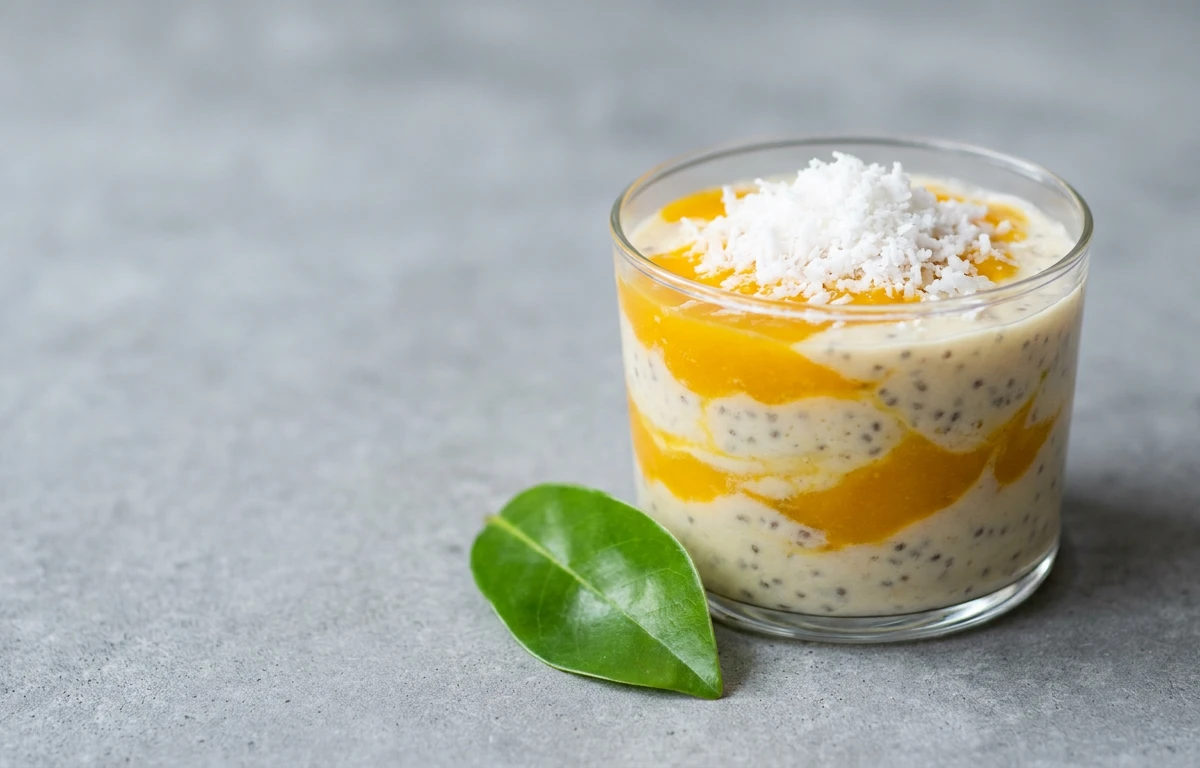
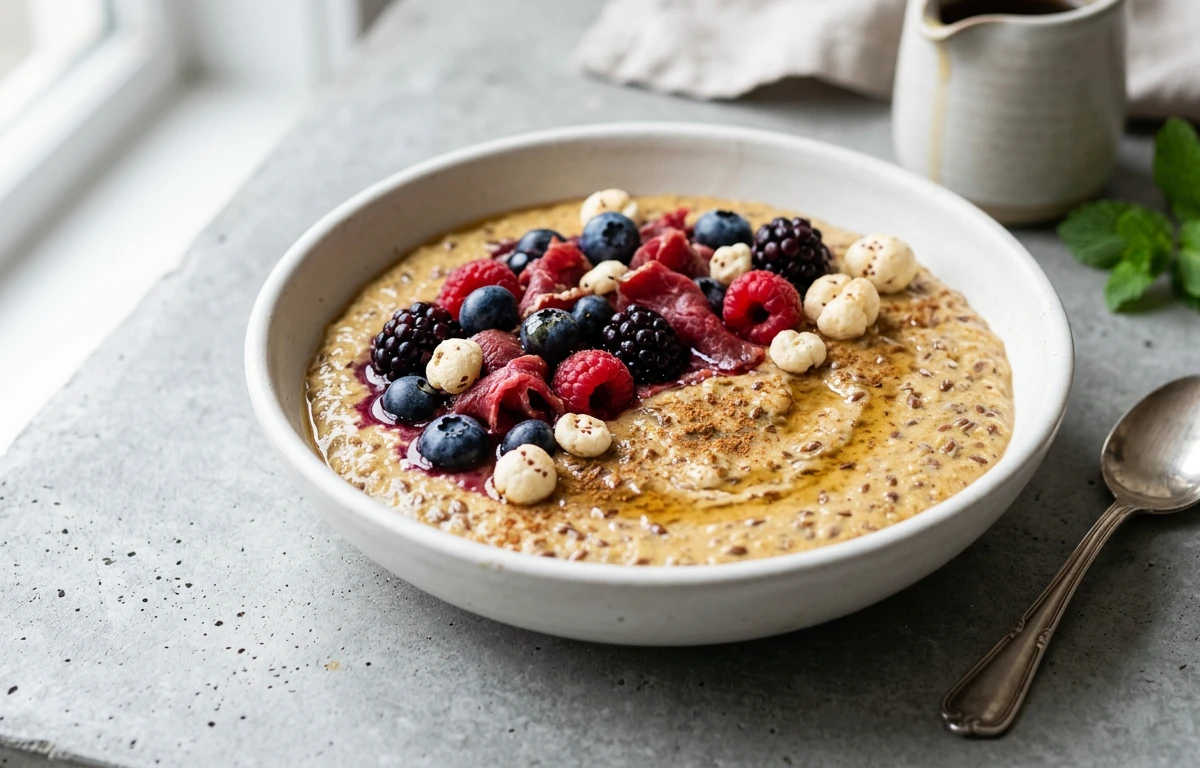
5 recipes · sorted by what’s quick