vegetable1 recipes
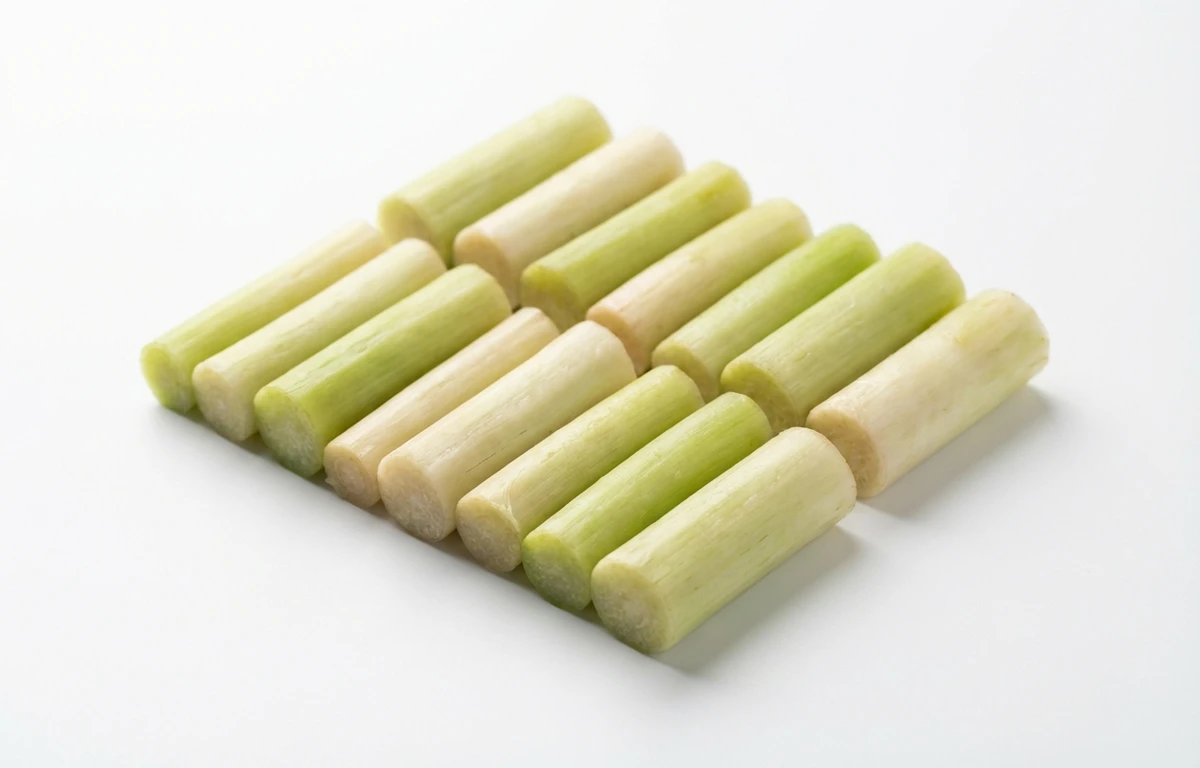
Taro Stems.
VegetarianVeganGluten-freeDairy-freeNut-freePeanut-freeSoy-freeEgg-freeShellfish-freeHoney-freeAlcohol-free
SERVING
CALORIES
25
PROTEIN
1.5g
CARBS
4.5g
FAT
0.30g
FIBER
2.5g
NUTRITION PROFILE · per 100 g
Everything in this ingredient.
MACRONUTRIENTS
Calories25kcal—
Protein1.5g3%
Carbohydrates4.5g2%
Fiber2.5g9%
Sugar0.70g1%
Total fat0.30g0%
Saturated fat0.05g0%
Water92g—
MINERALS
Sodium10mg0%
Potassium300mg6%
Calcium50mg4%
Iron0.80mg4%
Magnesium20mg5%
Phosphorus30mg2%
Zinc0.20mg2%
Copper0.05mg6%
Manganese0.10mg4%
Selenium0.50µg1%
VITAMINS
Vitamin A50µg6%
Vitamin C15mg17%
Vitamin E0.20mg1%
Vitamin K20µg17%
Thiamin (B1)0.05mg4%
Riboflavin (B2)0.05mg4%
Niacin (B3)0.50mg3%
Pantothenic acid (B5)0.10mg2%
Vitamin B60.10mg6%
Folate (B9)20µg5%
%DV based on a 2,000 cal diet. Source: USDA FoodData Central. A dash in the %DV column means there’s no established Daily Value for that nutrient.
MEASUREMENT CONVERSIONS
How much is what.
1 cup140g
1 tablespoon9g
1 oz28.4g
1 lb453.6g
HEALTH BENEFITS
Why eat it.
- ✓Rich in dietary fiber, aiding digestion and promoting gut health.
- ✓Good source of Vitamin C, supporting immune function and skin health.
- ✓Provides Vitamin A (beta-carotene), essential for vision and cell growth.
- ✓Contains essential minerals like potassium, important for blood pressure regulation.
- ✓Low in calories and fat, making it a healthy addition to meals.
COOKING TIPS
In the kitchen.
- 1Always cook taro stems thoroughly to neutralize calcium oxalate crystals, which can cause irritation.
- 2Peel the outer fibrous layer before cooking for a more tender texture and to remove any irritating compounds.
- 3Often used in stews, curries, or stir-fries after boiling or blanching to soften and remove acridness.
STORAGE
Keep it fresh.
- Store fresh taro stems in the refrigerator, wrapped in a damp paper towel or plastic bag.
- Use within 3-5 days for optimal freshness and nutrient content.
- Avoid washing until ready to use to prevent premature spoilage.
FAQ
Frequently asked questions.
Are taro stems healthy?
Yes, taro stems are very healthy as they are low in calories and fat while being rich in essential nutrients. They provide a good source of Vitamin C for immunity, Vitamin A for vision, and potassium for blood pressure regulation.
Are taro stems good for weight loss?
Taro stems are excellent for weight loss because they contain only 25 calories per 100g and are virtually fat-free. Their high fiber content also promotes satiety, helping you feel full for longer periods.
Can I eat taro stems raw?
No, taro stems should never be eaten raw. They contain calcium oxalate crystals which can cause intense itching and irritation in the mouth and throat; cooking thoroughly neutralizes these compounds.
Are taro stems keto-friendly?
Yes, taro stems are keto-friendly. With only 4.5g of carbohydrates per 100g, they can easily fit into a low-carb or ketogenic diet as a high-volume vegetable.
What do taro stems taste like?
Taro stems have a very mild, neutral flavor and a unique, spongy texture. Because they are porous, they act like a sponge, absorbing the flavors of the soups, sauces, or spices they are cooked in.
How do you prepare and cook taro stems?
First, peel the fibrous outer skin and slice the stems into bite-sized pieces. They are most commonly used in soups, stews, and stir-fries, where they should be added near the end of cooking to prevent them from becoming too mushy.
Do I need to peel taro stems?
Yes, it is necessary to peel the thin, skin-like outer layer of the taro stem. This outer layer is tough and fibrous, while the inner spongy part is the desired portion for cooking.
Are taro stems vegan and gluten-free?
Yes, taro stems are a natural plant-based vegetable. They are 100% vegan and naturally gluten-free, making them suitable for a wide variety of dietary needs.
How should I store taro stems?
Fresh taro stems should be wrapped in a paper towel and stored in a plastic bag in the refrigerator. They are highly perishable and should be consumed within 2 to 3 days for the best quality.
What are the digestive benefits of taro stems?
Taro stems are rich in dietary fiber, which aids in digestion by promoting regular bowel movements. This fiber content also supports overall gut health and helps prevent constipation.
RECIPES
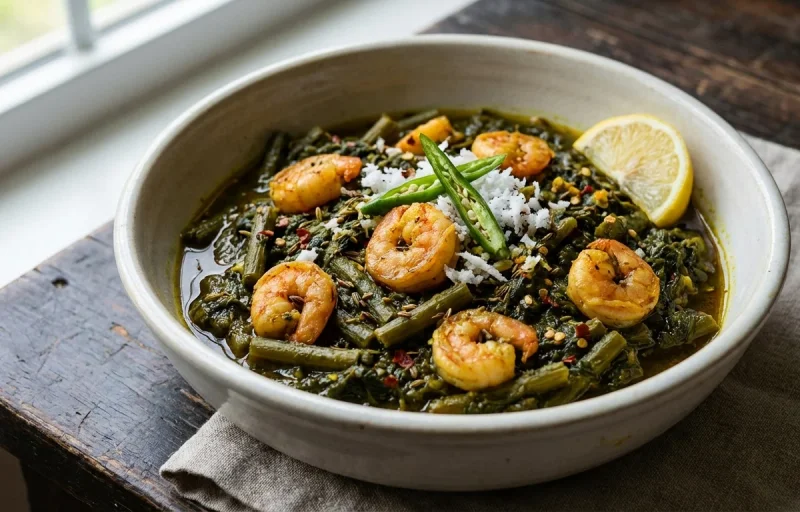
Cook with taro stems.
1 recipes · sorted by what’s quick