Dairy
thick yogurt.
VegetarianVeganGluten-freeDairy-freeNut-freePeanut-freeSoy-freeEgg-freeShellfish-freeHoney-freeAlcohol-freeFermented
ALSO KNOWN AS
thick curd
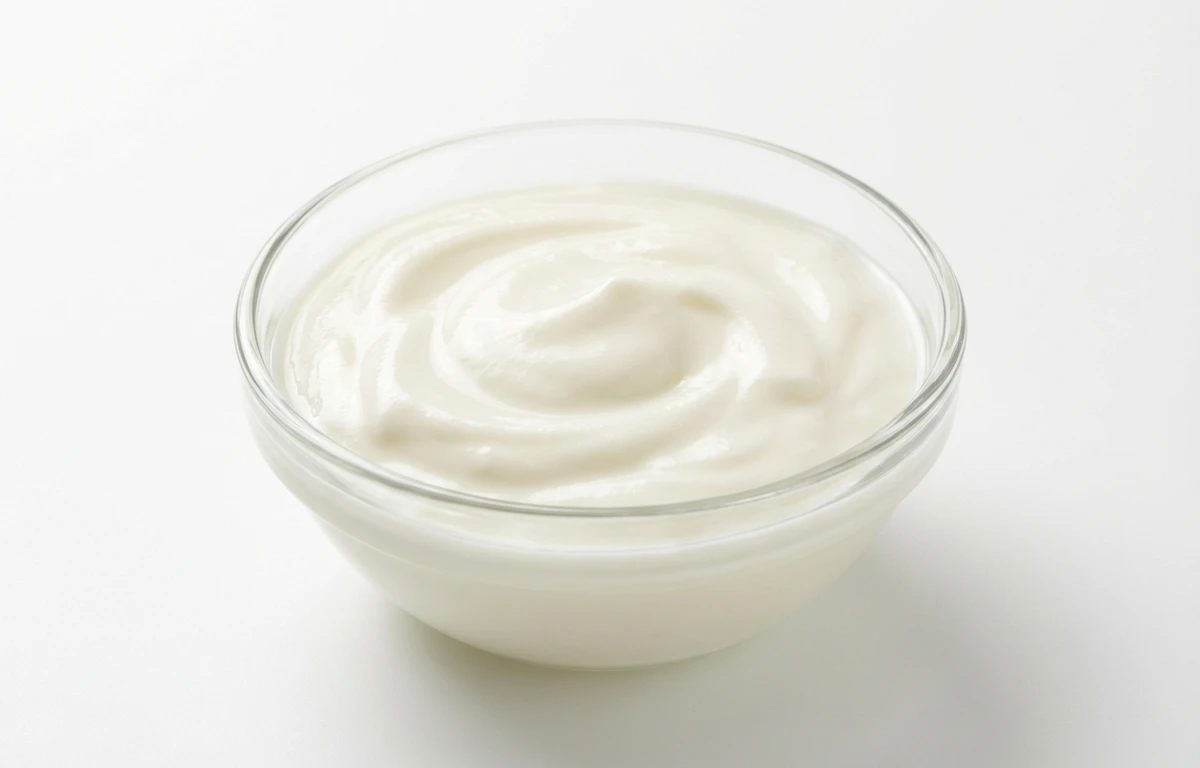
SERVING
CALORIES
97
PROTEIN
9.0g
CARBS
4.0g
FAT
5.0g
FIBER
0g
NUTRITION PROFILE · per 100 g
Everything in this ingredient.
MACRONUTRIENTS
Calories97kcal—
Protein9.0g18%
Carbohydrates4.0g1%
Fiber0g0%
Sugar3.5g7%
Total fat5.0g6%
Saturated fat3.3g16%
Trans fat0.10g—
Cholesterol13mg4%
Water81g—
MINERALS
Sodium35mg2%
Potassium141mg3%
Calcium110mg8%
Iron0.10mg1%
Magnesium11mg3%
Phosphorus135mg11%
Zinc0.60mg5%
Copper0.01mg1%
Manganese0.01mg0%
Selenium9.7µg18%
VITAMINS
Vitamin A50µg6%
Vitamin C0mg0%
Vitamin D0.10µg1%
Vitamin E0.01mg0%
Vitamin K0.10µg0%
Thiamin (B1)0.02mg2%
Riboflavin (B2)0.23mg18%
Niacin (B3)0.20mg1%
Pantothenic acid (B5)0.60mg12%
Vitamin B60.06mg4%
Folate (B9)7.0µg2%
Vitamin B120.75µg31%
%DV based on a 2,000 cal diet. Source: USDA FoodData Central. A dash in the %DV column means there’s no established Daily Value for that nutrient.
MEASUREMENT CONVERSIONS
How much is what.
1 cup247.2g
1 tablespoon15.5g
1 teaspoon5.2g
1 ml1g
1 liter1030g
HEALTH BENEFITS
Why eat it.
- ✓High in protein, which promotes satiety and supports muscle maintenance and growth.
- ✓Rich in probiotics (live bacterial cultures) that enhance gut health and aid digestion.
- ✓Excellent source of calcium and vitamin B12, crucial for strong bones and proper nerve function.
- ✓Often lower in lactose than regular yogurt due to the straining process, making it more digestible for some individuals with lactose sensitivity.
COOKING TIPS
In the kitchen.
- 1Use as a healthier, protein-rich substitute for sour cream, mayonnaise, or crème fraîche in dips, dressings, and sauces.
- 2To prevent curdling in hot dishes, temper the yogurt by whisking a small amount of the hot liquid into it before adding it to the main pot.
- 3Its thick consistency makes it an excellent base for marinades for meat and poultry, as it helps tenderize and allows spices to adhere well.
- 4In baking, it can add moisture, a tangy flavor, and a tender crumb to cakes, muffins, and quick breads.
STORAGE
Keep it fresh.
- Store in the refrigerator at or below 40°F (4°C) and keep the container tightly sealed.
- Consume within 5-7 days after opening for best quality and to prevent spoilage.
- Avoid storing on the refrigerator door, as temperature fluctuations can affect its quality.
FAQ
Frequently asked questions.
Is thick yogurt healthy?
Yes, thick yogurt is highly nutritious. It is an excellent source of protein, calcium, and vitamin B12, while providing probiotics that support digestive health and a strong immune system.
How much protein is in thick yogurt?
Thick yogurt typically contains about 9g of protein per 100g. This high protein content helps promote satiety, making it a great option for muscle maintenance and growth.
Is thick yogurt good for weight loss?
Yes, its high protein content helps you feel full longer, which can reduce overall calorie intake. At approximately 97 calories per 100g, it is a nutrient-dense food that fits well into most weight management plans.
Is thick yogurt lactose-free?
While not entirely lactose-free, thick yogurt is often lower in lactose than regular yogurt. The straining process used to thicken it removes much of the liquid whey, which contains the majority of the lactose.
Is thick yogurt keto-friendly?
Yes, thick yogurt can be keto-friendly as it contains only about 4g of carbohydrates per 100g. However, it is important to choose plain versions to avoid added sugars that would increase the carb count.
What is the difference between thick yogurt and regular yogurt?
Thick yogurt, like Greek yogurt, has been strained to remove the liquid whey. This results in a denser consistency, a tangier flavor, and a higher concentration of protein compared to unstrained regular yogurt.
Can I use thick yogurt in cooking or baking?
Absolutely. It is a versatile ingredient used to thicken sauces, make creamy dressings, or as a healthier substitute for sour cream or mayonnaise. In baking, it adds moisture and a slight tang to cakes and muffins.
How long does thick yogurt last in the fridge?
Once opened, thick yogurt generally stays fresh for 7 to 10 days if kept refrigerated in an airtight container. Always check for signs of spoilage like a sour smell, mold, or excessive liquid separation.
Can you freeze thick yogurt?
You can freeze it, but the texture will change significantly, becoming grainy or icy once thawed. It is best used in smoothies or cooked dishes after freezing rather than being eaten plain.
What are the main health benefits of the probiotics in thick yogurt?
The live bacterial cultures (probiotics) in thick yogurt help maintain a healthy balance of gut flora. This can improve digestion, reduce bloating, and may even enhance the body's immune response.
RECIPES
Cook with thick yogurt.
0 recipes · sorted by what’s quick