vegetable
thondekai.
VegetarianVeganGluten-freeDairy-freeNut-freePeanut-freeSoy-freeEgg-freeShellfish-freeHoney-freeAlcohol-freeHalalKosher
SERVING
CALORIES
18
PROTEIN
1.2g
CARBS
3.1g
FAT
0.10g
FIBER
1.6g
NUTRITION PROFILE · per 100 g
Everything in this ingredient.
MACRONUTRIENTS
Calories18kcal—
Protein1.2g2%
Carbohydrates3.1g1%
Fiber1.6g6%
Sugar1.5g3%
Total fat0.10g0%
Saturated fat0.02g0%
Trans fat0g—
Cholesterol0mg0%
Water93.5g—
MINERALS
Sodium3.0mg0%
Potassium260mg6%
Calcium40mg3%
Iron1.4mg8%
Magnesium25mg6%
Phosphorus30mg2%
Zinc0.20mg2%
Copper0.10mg11%
Manganese0.15mg7%
VITAMINS
Vitamin A133µg15%
Vitamin C1.4mg2%
Vitamin D0µg0%
Vitamin E0.10mg1%
Vitamin K10µg8%
Thiamin (B1)0.07mg6%
Riboflavin (B2)0.08mg6%
Niacin (B3)0.60mg4%
Pantothenic acid (B5)0.25mg5%
Vitamin B60.08mg5%
Folate (B9)18µg5%
Vitamin B120µg0%
%DV based on a 2,000 cal diet. Source: USDA FoodData Central. A dash in the %DV column means there’s no established Daily Value for that nutrient.
MEASUREMENT CONVERSIONS
How much is what.
1 cup125g
HEALTH BENEFITS
Why eat it.
- ✓May aid in blood sugar regulation due to its potential hypoglycemic properties.
- ✓Rich in dietary fiber, which supports digestive health and helps prevent constipation.
- ✓Good source of micronutrients, including Vitamin A, Vitamin C, and B-complex vitamins.
- ✓Contains antioxidants like beta-carotene that help protect the body against oxidative stress.
COOKING TIPS
In the kitchen.
- 1Trim both ends before slicing into rounds, cutting lengthwise, or dicing for various dishes.
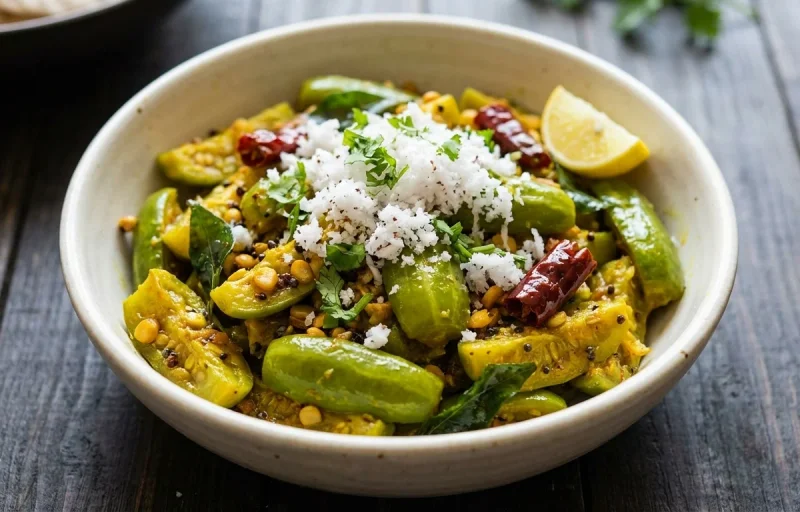
- 2Thondekai is excellent for stir-frying (palya/poriyal), adding to curries and sambar, or stuffing with a spice mix.
- 3Sauté on medium-high heat to achieve a tender-crisp texture; overcooking can make it mushy.
- 4It pairs well with coconut, tamarind, mustard seeds, and common Indian spices like turmeric and chili powder.
STORAGE
Keep it fresh.
- Store unwashed thondekai in a perforated plastic bag in the refrigerator's crisper drawer for up to a week.
- Avoid washing until just before use to prevent them from becoming soft or slimy.
FAQ
Frequently asked questions.
Is thondekai healthy?
Yes, thondekai is highly nutritious and low in calories. It is a great source of Vitamin A, Vitamin C, and B-complex vitamins, and it contains antioxidants like beta-carotene that help protect the body from oxidative stress.
How does thondekai help with blood sugar regulation?
Thondekai is known for its potential hypoglycemic properties, which may help in managing blood sugar levels. Its high dietary fiber content also helps slow down the absorption of sugar in the bloodstream, making it beneficial for diabetics.
Is thondekai good for weight loss?
Thondekai is excellent for weight loss as it contains only 18 calories and 0.1g of fat per 100g. The high fiber content promotes satiety, helping you feel full for longer periods and reducing overall calorie intake.
Is thondekai keto-friendly?
Yes, thondekai is keto-friendly. With only 3.1g of carbohydrates per 100g, it fits easily into a low-carb or ketogenic diet without significantly impacting daily carb limits.
Is thondekai vegan and gluten-free?
Yes, thondekai is a natural vegetable and is 100% vegan. It is also naturally gluten-free, making it a safe and healthy choice for individuals with gluten sensitivities or celiac disease.
How do you cook thondekai?
Thondekai is most commonly prepared by stir-frying with spices, adding to lentil-based curries, or pickling. It is usually sliced into thin rounds or strips to ensure it cooks evenly while maintaining a slightly crunchy texture.
What does thondekai taste like?
Thondekai has a mild, slightly nutty flavor with a subtle bitterness, similar to a cross between a cucumber and a green bean. It absorbs the flavors of spices well during cooking while retaining a firm bite.
Can you eat thondekai raw?
While it is primarily eaten cooked, young and tender thondekai can be consumed raw in salads. However, as the vegetable matures, it becomes tougher and more bitter, so cooking is generally recommended for the best flavor and texture.
How do you store thondekai and how long does it last?
Store fresh thondekai in a breathable bag in the refrigerator's crisper drawer. It typically stays fresh for about 5 to 7 days. Avoid washing the gourds until you are ready to use them to prevent moisture-induced spoilage.
How do you know if thondekai is spoiled or overripe?
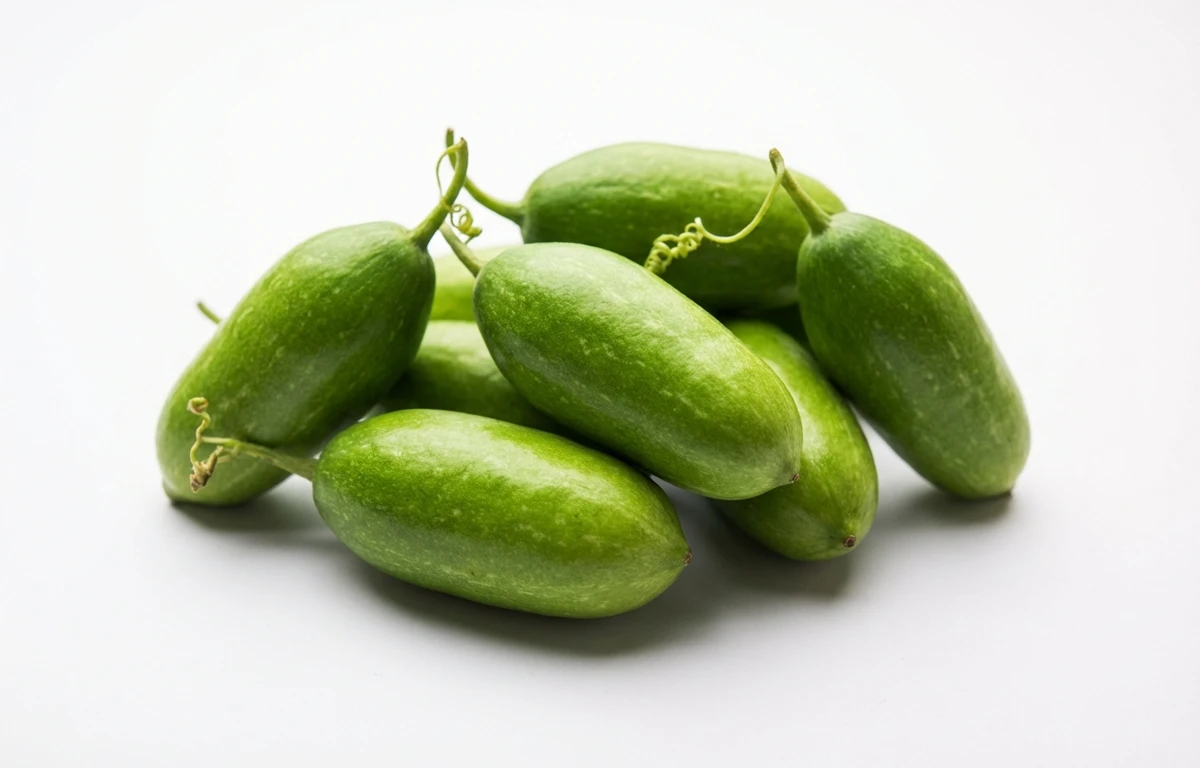
Fresh thondekai should be firm and bright green. If it feels soft, slimy, or has dark spots, it is likely spoiled. If the inside has turned bright red, it is overripe; while still edible, it will be much softer and have a significantly different, often more bitter, taste.
RECIPES
Cook with thondekai.
0 recipes · sorted by what’s quick