
Loading...
Also known as:
Per 100g
Nutrition data source: USDA FoodData Central
Common measurement equivalents in grams
Tirphal is highly valued for its carminative properties, which aid digestion and help relieve flatulence and indigestion. It also possesses antimicrobial, antifungal, and anti-inflammatory properties. Additionally, it contains sanshools, which provide a mild anesthetic effect traditionally used to soothe toothaches.
Per 100g, tirphal contains approximately 372 calories, 64.2g of carbohydrates, 11.5g of protein, and 12.8g of fat. However, because it is used in very small quantities as a spice, its actual caloric contribution to a meal is negligible.
Yes, tirphal is a plant-based spice and is naturally vegan and gluten-free. It is safe for individuals with Celiac disease or those following a strict plant-based diet.
Yes, tirphal is keto-friendly. While it contains 64.2g of carbs per 100g, the typical serving size in a dish is less than a gram, meaning it adds virtually no net carbs to your daily intake.
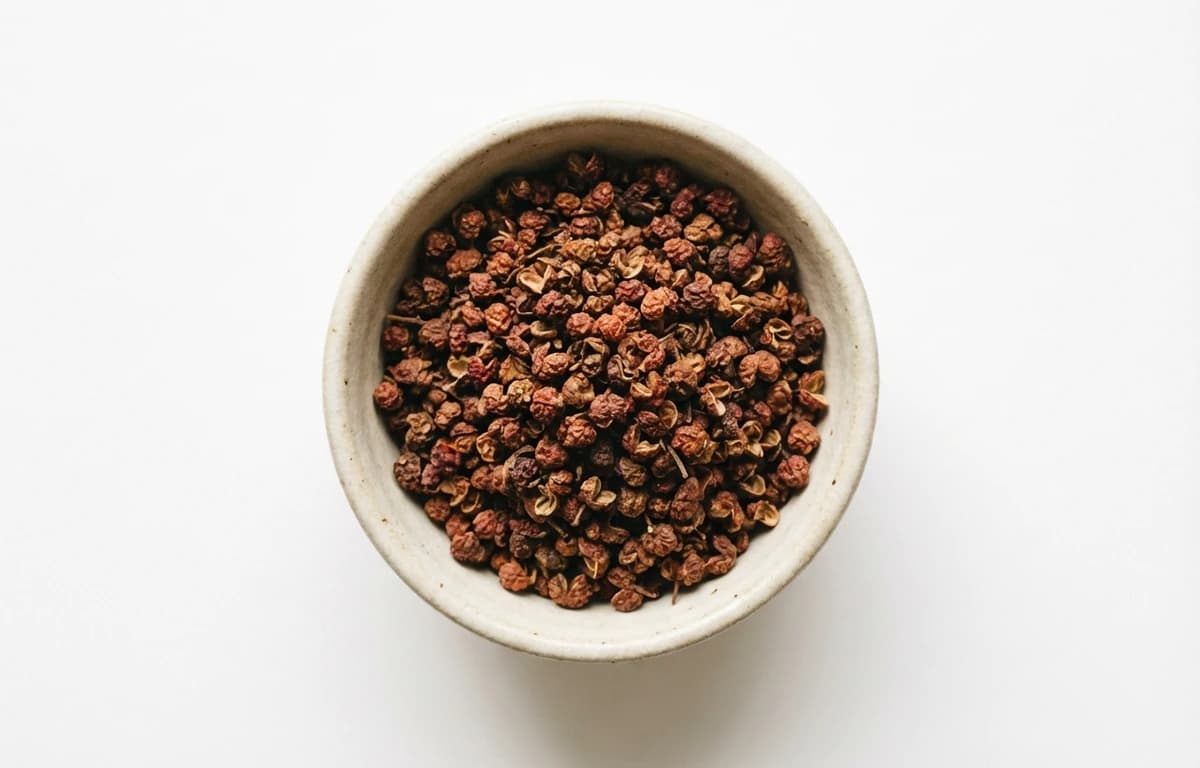
Tirphal has a unique woody and citrusy flavor profile. It is famous for the 'tingling' or slightly numbing sensation it produces on the tongue, which is less about heat and more about a refreshing, buzzing physical sensation.
It is a staple in Konkani and Goan cuisine, particularly in fish curries and legume dishes. Usually, the dried husks are lightly crushed and added to the gravy to infuse flavor; they are often discarded before serving as the texture can be gritty.
Yes, Sichuan pepper is the best substitute as they are closely related and both provide a numbing sensation. However, tirphal has a stronger woody and citrus aroma, whereas Sichuan pepper tends to be more floral.
tirphal is a versatile ingredient found in cuisines around the world. With 372 calories per 100g and 11.5 grams of protein, it's a nutritious addition to many dishes.
Explore more ingredients in the spice category with complete nutrition information.
View all spice →Explore more ingredients similar to tirphal.
The most-searched ingredients on CraftMyMeals.
Store tirphal in an airtight container in a cool, dark, and dry place to prevent its essential oils from evaporating. When stored correctly, the whole spice can maintain its flavor and potency for up to 12 months.
The tingling sensation is caused by a compound called hydroxy-alpha-sanshool. This molecule interacts with the nerve receptors on your tongue to create a vibrating or numbing feeling rather than the chemical heat found in chili peppers.
Traditionally, yes. Due to the presence of sanshools which act as a mild local anesthetic, chewing on a piece of tirphal or applying its oil has been used as a folk remedy to temporarily numb dental pain.
