Vegetable10 recipes
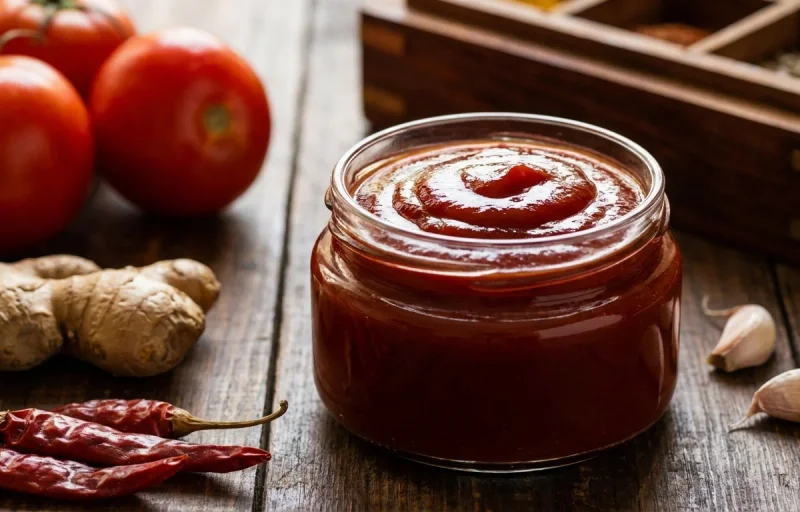
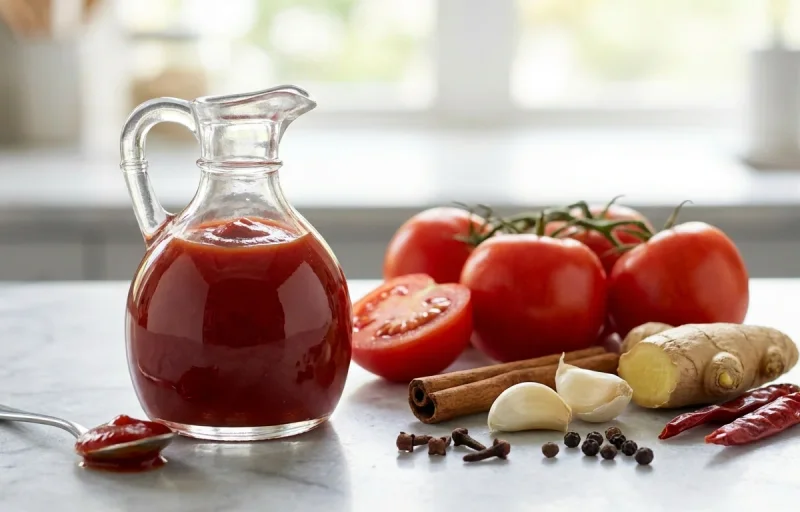
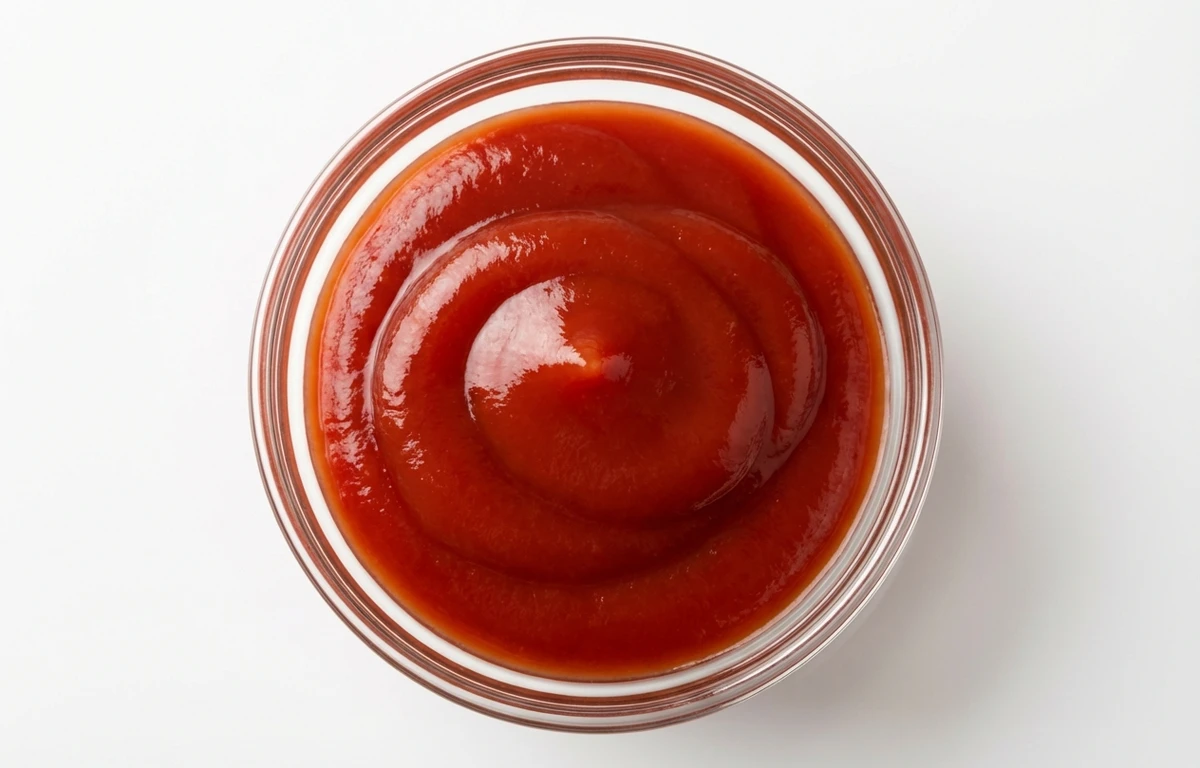
tomato ketchup.
VegetarianVeganGluten-freeDairy-freeNut-freePeanut-freeSoy-freeEgg-freeShellfish-freeHoney-freeAlcohol-free
ALSO KNOWN AS
catsup
SERVING
CALORIES
101
PROTEIN
1.3g
CARBS
26g
FAT
0.10g
FIBER
0.30g
This ingredient is flagged as naturally gluten-free. Per 100 g, it provides 2.8 µg of vitamin K.
NUTRITION PROFILE · per 100 g
Everything in this ingredient.
MACRONUTRIENTS
Calories101kcal—
Protein1.3g3%
Carbohydrates26g9%
Fiber0.30g1%
Sugar22g44%
Total fat0.10g0%
Saturated fat0g0%
Trans fat0g—
Cholesterol0mg0%
Water68g—
MINERALS
Sodium907mg39%
Potassium342mg7%
Calcium18mg1%
Iron0.40mg2%
Magnesium12mg3%
Phosphorus32mg3%
Zinc0.20mg2%
Copper0.10mg11%
Manganese0.10mg4%
Selenium0.40µg1%
VITAMINS
Vitamin A38µg4%
Vitamin C13mg14%
Vitamin D0µg0%
Vitamin E1.5mg10%
Vitamin K2.8µg2%
Thiamin (B1)0.01mg1%
Riboflavin (B2)0.04mg3%
Niacin (B3)1.4mg9%
Pantothenic acid (B5)0.10mg2%
Vitamin B60.15mg9%
Folate (B9)9.0µg2%
Vitamin B120µg0%
%DV based on a 2,000 cal diet. Source: USDA FoodData Central. A dash in the %DV column means there’s no established Daily Value for that nutrient.
MEASUREMENT CONVERSIONS
How much is what.
1 cup275g
1 tablespoon17g
1 teaspoon6g
1 oz28.4g
1 lb453.6g
1 ml1.2g
1 liter1150g
HEALTH BENEFITS
Why eat it.
- ✓Low in calories compared to mayonnaise
- ✓Virtually fat-free
- ✓Source of Vitamin C
- ✓Source of Vitamin A
COOKING TIPS
In the kitchen.
- 1Use as a base for homemade BBQ sauce or cocktail sauce
- 2Apply as a glaze for meatloaf during the last 15 minutes of baking
- 3Add a tablespoon to stews or stir-fries for a quick hit of acidity and sweetness
STORAGE
Keep it fresh.
- Refrigerate after opening to maintain flavor and quality
- Store unopened bottles in a cool, dark pantry
- Keep the cap tightly sealed to prevent drying out
FAQ
Frequently asked questions.
How long does tomato ketchup last after opening?
While it is shelf-stable due to its acidity, it is best used within 6 to 12 months when refrigerated for optimal flavor.
Is tomato ketchup vegan?
Most standard ketchups are vegan, though some brands may use bone char to refine the sugar. Check for organic or vegan-certified labels if concerned.
Can I freeze tomato ketchup?
It is not recommended as the water and solids may separate, significantly altering the texture upon thawing.
What is a good substitute for ketchup in a recipe?
A mix of tomato paste, vinegar, and sugar (or honey) can replicate the flavor profile.
Does ketchup contain gluten?
Most commercial ketchups are gluten-free, but always check the label for vinegar sources or thickeners that might contain wheat.
Why does liquid sometimes come out of the bottle first?
This is natural separation. Shake the bottle well before use to re-incorporate the ingredients.
Is ketchup high in sugar?
Yes, ketchup typically contains about 4 grams of sugar per tablespoon, making it a high-sugar condiment.
Does ketchup contain onion or garlic?
Yes, most standard recipes include onion powder and garlic powder for flavor.
How can I tell if ketchup has gone bad?
Look for a very dark color, a sour or off smell, or any signs of mold around the cap.
Is there a difference between ketchup and catsup?
No, they are simply different spellings for the same tomato-based condiment.
RECIPES
Cook with tomato ketchup.
10 recipes · sorted by what’s quick
.webp)