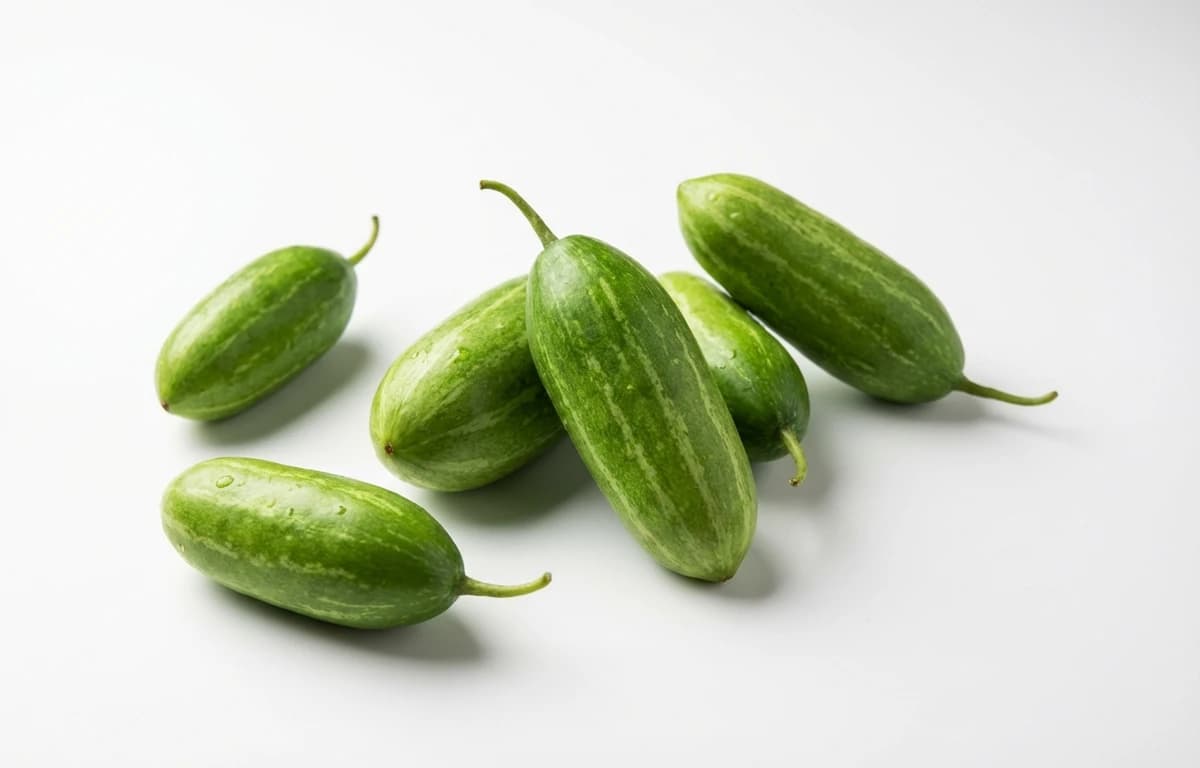
tondekayi
Also known as:
Loading...
Also known as:
Per 100g
Nutrition data source: USDA FoodData Central
Yes, tondekayi is very healthy. It is low in calories and fat while providing essential nutrients like fiber, beta-carotene, and vitamin C, which support immune function and digestive health.
Absolutely. With only 18 calories and 0.1g of fat per 100g, it is an excellent volume-filling food for weight management. Its high fiber content also helps you feel full for longer.
Yes, tondekayi is highly recommended for diabetics. It contains anti-diabetic properties that may help regulate blood sugar levels and has a low glycemic index, making it a safe choice for glucose management.
Yes, tondekayi is keto-friendly. It contains only 3.1g of carbohydrates per 100g, making it a suitable low-carb vegetable for those following a ketogenic or low-carbohydrate diet.
Tondekayi has a mild, slightly crunchy texture similar to a cucumber but much firmer. When cooked, it absorbs spices well and develops a savory, earthy taste with a subtle sweetness.
It is most commonly stir-fried with spices (known as palya or poriyal), added to sambars, or deep-fried as chips. To prepare, wash them thoroughly and slice them into rounds or thin vertical strips before sautéing.
While it is safe to eat raw and is occasionally used in salads or traditional pickles, it is most commonly consumed cooked. Raw tondekayi is very crunchy and has a slightly bland, watery taste.
No, you do not need to peel tondekayi. The skin is thin, edible, and contains a significant portion of the vegetable's fiber and nutrients; simply trim the stem ends before slicing.
tondekayi is a versatile ingredient found in cuisines around the world. With 18 calories per 100g and 1.2 grams of protein, it's a nutritious addition to many dishes.
Explore more ingredients in the vegetable category with complete nutrition information.
View all vegetable →Store fresh tondekayi in a breathable bag in the refrigerator's crisper drawer. It typically stays fresh for 5 to 7 days, provided it is kept dry and away from moisture.
Fresh tondekayi should be firm and bright green. If it feels soft, mushy, or has visible mold, it is spoiled. Note that if the inside has turned bright red, it is over-ripe; it is still edible but will be much softer and sweeter.