seafood1 recipes
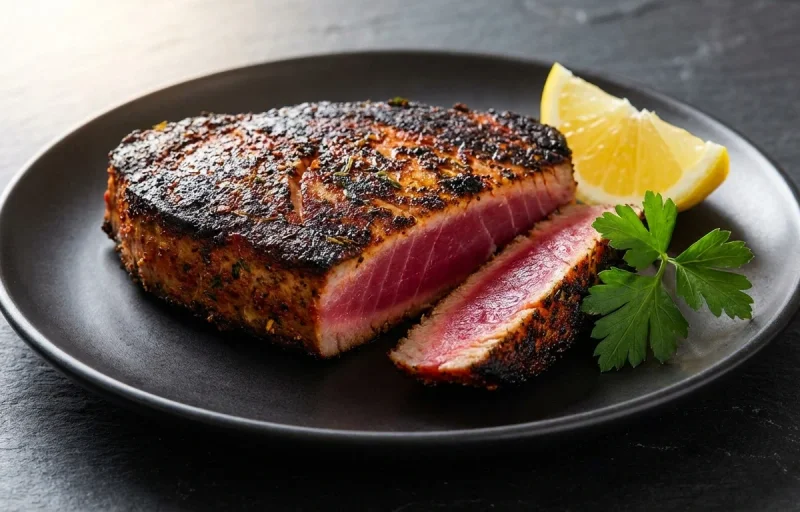
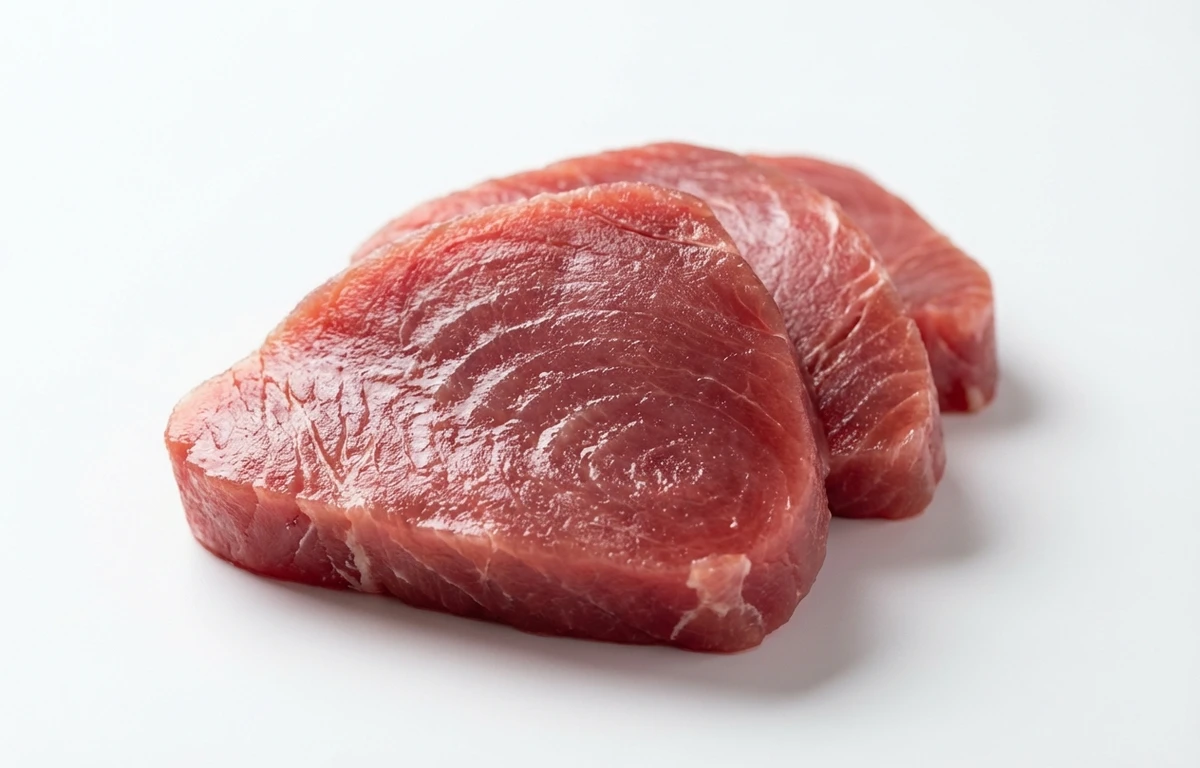
tuna steaks.
VegetarianVeganGluten-freeDairy-freeNut-freePeanut-freeSoy-freeEgg-freeShellfish-freeHoney-freeAlcohol-free
SERVING
CALORIES
109
PROTEIN
23.3g
CARBS
0g
FAT
1.0g
FIBER
0g
NUTRITION PROFILE · per 100 g
Everything in this ingredient.
MACRONUTRIENTS
Calories109kcal—
Protein23.3g47%
Carbohydrates0g0%
Fiber0g0%
Sugar0g0%
Total fat1.0g1%
Saturated fat0.25g1%
Cholesterol47mg16%
Water74.3g—
MINERALS
Sodium39mg2%
Potassium323mg7%
Calcium10mg1%
Iron1.0mg6%
Magnesium25mg6%
Phosphorus200mg16%
Zinc0.44mg4%
Copper0.05mg6%
Manganese0.01mg0%
Selenium82.7µg150%
VITAMINS
Vitamin A25µg3%
Vitamin C0mg0%
Vitamin D4.5µg23%
Vitamin E0.23mg2%
Vitamin K0.10µg0%
Thiamin (B1)0.15mg13%
Riboflavin (B2)0.17mg13%
Niacin (B3)18.8mg118%
Pantothenic acid (B5)0.56mg11%
Vitamin B60.55mg32%
Folate (B9)5.0µg1%
Vitamin B122.1µg88%
%DV based on a 2,000 cal diet. Source: USDA FoodData Central. A dash in the %DV column means there’s no established Daily Value for that nutrient.
MEASUREMENT CONVERSIONS
How much is what.
1 oz28.4g
1 lb453.6g
1 piece170g
HEALTH BENEFITS
Why eat it.
- ✓Excellent source of lean protein for muscle growth and repair.
- ✓Rich in Omega-3 fatty acids, beneficial for heart and brain health.
- ✓High in B vitamins (especially B12 and Niacin) crucial for energy metabolism.
- ✓Good source of selenium, an important antioxidant.
- ✓Low in saturated fat, supporting cardiovascular health.
COOKING TIPS
In the kitchen.
- 1Sear tuna steaks quickly over high heat to keep the center rare or medium-rare for best flavor and texture.
- 2Grill or pan-fry with a light seasoning of salt, pepper, and herbs.
- 3Avoid overcooking, as tuna can become dry and tough; aim for an internal temperature of 125-130°F (52-54°C) for medium-rare.
STORAGE
Keep it fresh.
- Store fresh tuna steaks in the coldest part of the refrigerator for 1-2 days.
- For longer storage, wrap tightly and freeze for up to 3 months.
- Thaw frozen tuna in the refrigerator overnight before cooking.
FAQ
Frequently asked questions.
Are tuna steaks healthy?
Yes, tuna steaks are highly nutritious, offering an excellent source of lean protein and heart-healthy Omega-3 fatty acids. They are rich in B vitamins for energy and selenium, a powerful antioxidant that supports immune health.
How much protein is in a tuna steak?
Tuna steaks are protein-dense, containing approximately 23.33g of protein per 100g serving. This makes them an ideal food for muscle recovery, growth, and maintaining satiety.
Is tuna steak good for weight loss?
Tuna steak is an excellent choice for weight loss because it is very low in calories (109 per 100g) and fat, yet high in protein. The high protein content helps you feel full longer, reducing the likelihood of overeating.
Is tuna steak keto-friendly?
Yes, tuna steaks are keto-friendly and ideal for low-carb diets as they contain 0g of carbohydrates. Since they are very lean, keto followers often prepare them with healthy fats like butter or olive oil to meet their daily fat macros.
Is tuna steak gluten-free?
Naturally, tuna steaks are 100% gluten-free. However, if you are dining out or using a store-bought marinade, check for ingredients like soy sauce or teriyaki, which often contain wheat-based gluten.
How do you cook tuna steaks without drying them out?
The best method is to sear them over high heat for only 1-2 minutes per side, leaving the center rare or medium-rare. Overcooking tuna steaks causes them to become dry, crumbly, and lose their steak-like texture.
What does tuna steak taste like?
Tuna steak has a mild, savory flavor and a firm, meaty texture that is often compared to beef tenderloin. It lacks the strong 'fishy' taste associated with canned tuna, making it a favorite for those who are picky about seafood.
How long does fresh tuna steak last in the fridge?
Fresh tuna steak should be stored in the coldest part of your refrigerator and is best consumed within 1 to 2 days of purchase. If you cannot cook it within that timeframe, it should be tightly wrapped and frozen.
How can you tell if a tuna steak has gone bad?
Fresh tuna should have a bright red or deep pink color and a clean, ocean-like scent. If the steak appears brown or grey, feels slimy to the touch, or has a strong, pungent ammonia smell, it has likely spoiled and should be discarded.
Can you eat tuna steak raw?
While many people enjoy tuna steak seared rare, you should only consume it completely raw if it is labeled as 'sushi-grade' or 'sashimi-grade.' This indicates the fish was handled and frozen specifically to kill parasites, making it safe for raw consumption.
RECIPES
Cook with tuna steaks.
1 recipes · sorted by what’s quick