
Protein10 recipes
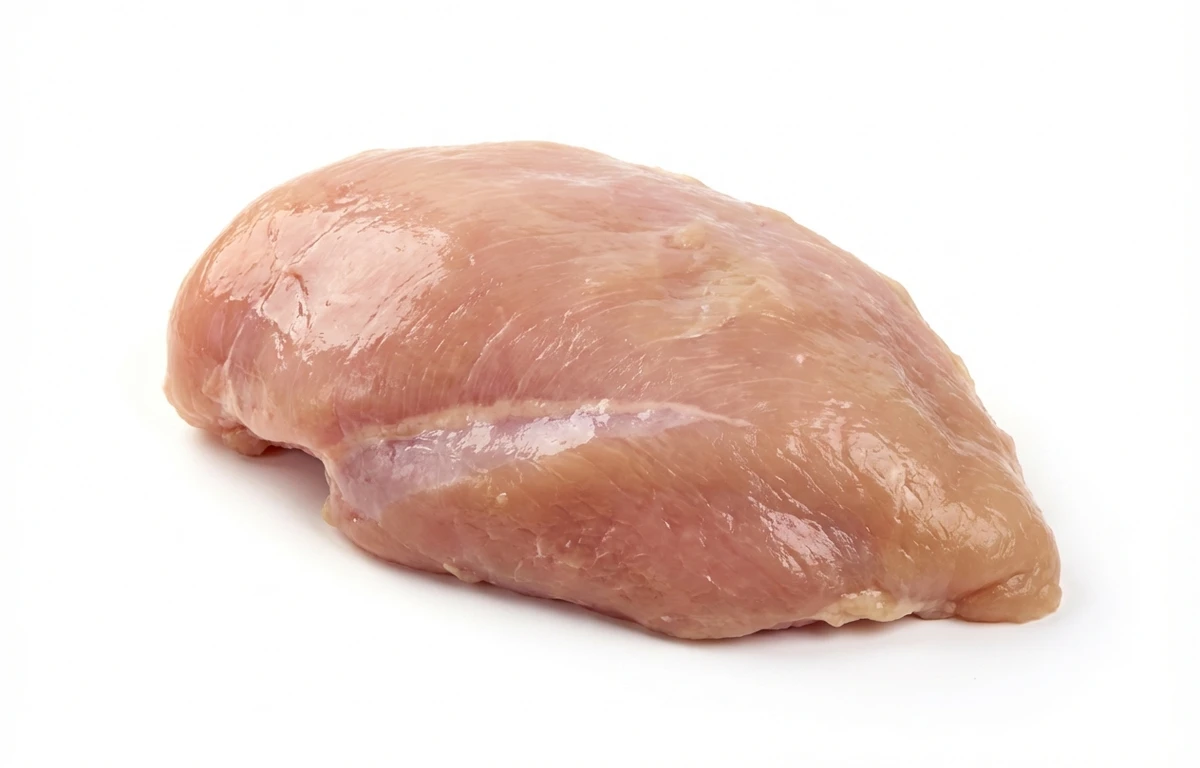
turkey breast.
VegetarianVeganGluten-freeDairy-freeNut-freePeanut-freeSoy-freeEgg-freeShellfish-freeHoney-freeAlcohol-free
ALSO KNOWN AS
turkeycooked turkey meatturkey breastcooked turkeycooked turkey breast
SERVING
CALORIES
114
PROTEIN
23.6g
CARBS
0g
FAT
1.5g
FIBER
0g
This ingredient is flagged as naturally gluten-free. Per 100 g, it provides 0 µg of vitamin K.
NUTRITION PROFILE · per 100 g
Everything in this ingredient.
MACRONUTRIENTS
Calories114kcal—
Protein23.6g47%
Carbohydrates0g0%
Fiber0g0%
Sugar0g0%
Total fat1.5g2%
Saturated fat0.40g2%
Trans fat0g—
Cholesterol50mg17%
Water74g—
MINERALS
Sodium52mg2%
Potassium305mg6%
Calcium11mg1%
Iron0.70mg4%
Magnesium28mg7%
Phosphorus210mg17%
Zinc1.5mg14%
Copper0.05mg6%
Manganese0.01mg0%
Selenium25.2µg46%
VITAMINS
Vitamin A0µg0%
Vitamin C0mg0%
Vitamin D0.10µg1%
Vitamin E0.10mg1%
Vitamin K0µg0%
Thiamin (B1)0.06mg5%
Riboflavin (B2)0.12mg9%
Niacin (B3)9.2mg57%
Pantothenic acid (B5)0.70mg14%
Vitamin B60.60mg35%
Folate (B9)7.0µg2%
Vitamin B120.40µg17%
%DV based on a 2,000 cal diet. Source: USDA FoodData Central. A dash in the %DV column means there’s no established Daily Value for that nutrient.
MEASUREMENT CONVERSIONS
How much is what.
1 cup140g
1 tablespoon8.8g
1 teaspoon2.9g
1 oz28.4g
1 lb453.6g
1 ml0.6g
1 liter583.3g
1 piece170g
HEALTH BENEFITS
Why eat it.
- ✓Excellent source of lean protein, essential for building and repairing tissues, and supporting muscle mass.
- ✓Rich in B vitamins, particularly niacin (B3) and vitamin B6, which are crucial for energy metabolism and brain function.
- ✓Low in fat and saturated fat, making it a heart-healthy choice for a protein source.
COOKING TIPS
In the kitchen.
- 1To ensure it remains moist, do not overcook. Use a meat thermometer to cook to a safe internal temperature of 165°F (74°C).
- 2Brining the breast in a saltwater solution for 30 minutes to a few hours before cooking can greatly enhance its flavor and juiciness.
- 3For even cooking when pan-searing or grilling, pound the breast to a uniform thickness.
- 4Let the cooked turkey breast rest for 5-10 minutes before slicing to allow the juices to redistribute, resulting in a more tender cut.
STORAGE
Keep it fresh.
- Refrigerate raw turkey breast at 40°F (4°C) or below and use within 1-2 days of purchase.
- For long-term storage, freeze at 0°F (-18°C) in an airtight package or freezer bag for up to 9 months.
- Store cooked turkey in an airtight container in the refrigerator and consume within 3-4 days.
FAQ
Frequently asked questions.
How much protein is in turkey breast?
Turkey breast is an excellent protein source, providing approximately 23.6 grams of protein per 100-gram serving. This makes it an ideal food for building and repairing tissues and supporting muscle mass.
Is turkey breast keto-friendly?
Absolutely. Turkey breast contains 0g of carbohydrates, making it perfect for ketogenic and low-carb diets. Since it is very lean, those on keto may want to pair it with healthy fats like avocado or olive oil to meet their macros.
Is turkey breast gluten-free?
Plain, raw turkey breast is naturally gluten-free. However, you should check labels on pre-marinated, deli-sliced, or processed turkey products, as they may contain gluten-based thickeners, flavorings, or cross-contamination.
How do you cook turkey breast without drying it out?
To keep turkey breast moist, avoid overcooking and consider brining the meat before roasting. Use a meat thermometer to ensure it reaches exactly 165°F (74°C), and let the meat rest for at least 10-15 minutes before slicing to retain juices.
What is the safe internal temperature for turkey breast?
For food safety, turkey breast must be cooked to a minimum internal temperature of 165°F (74°C). Always insert the meat thermometer into the thickest part of the breast to ensure it is cooked through completely.
How long does cooked turkey breast last in the fridge?
Cooked turkey breast can be safely stored in an airtight container in the refrigerator for 3 to 4 days. If you cannot finish it within that time, it can be frozen for up to 3 months.
Is turkey breast better for you than chicken breast?
Both are excellent lean proteins with very similar nutritional profiles. Turkey breast is slightly lower in calories and fat than chicken breast, while providing comparable amounts of protein and essential minerals like selenium and niacin.
RECIPES
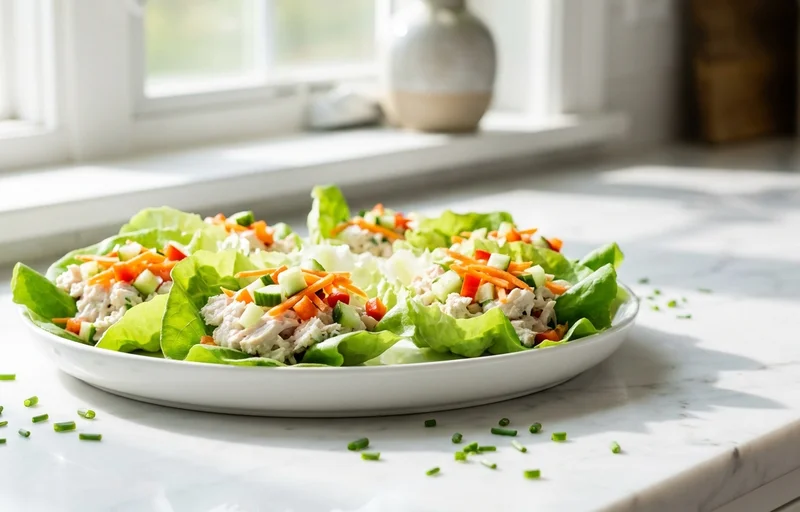
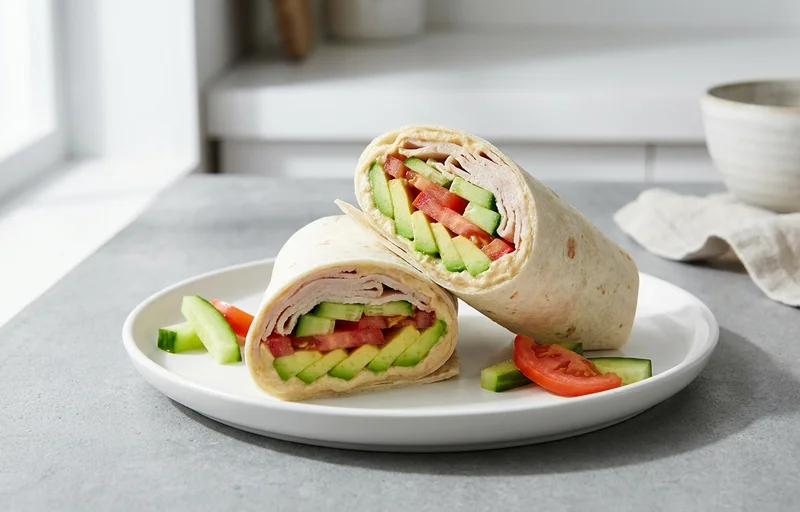
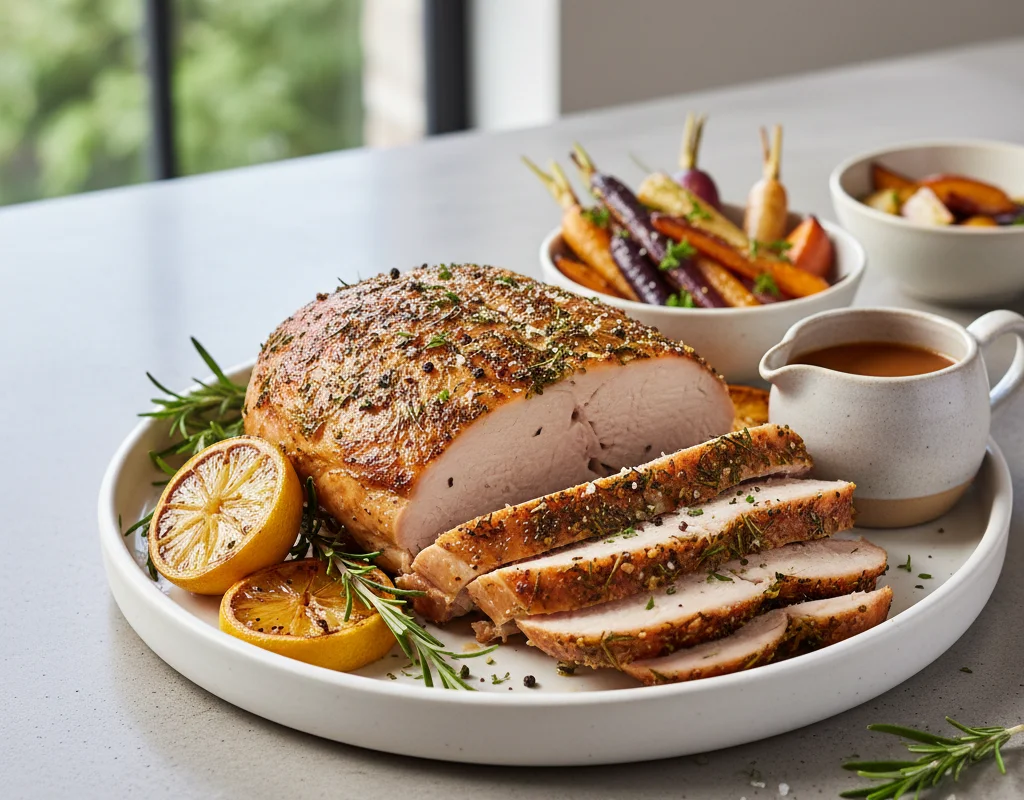
Cook with turkey breast.
10 recipes · sorted by what’s quick
RELATED GUIDES



















