grain2 recipes
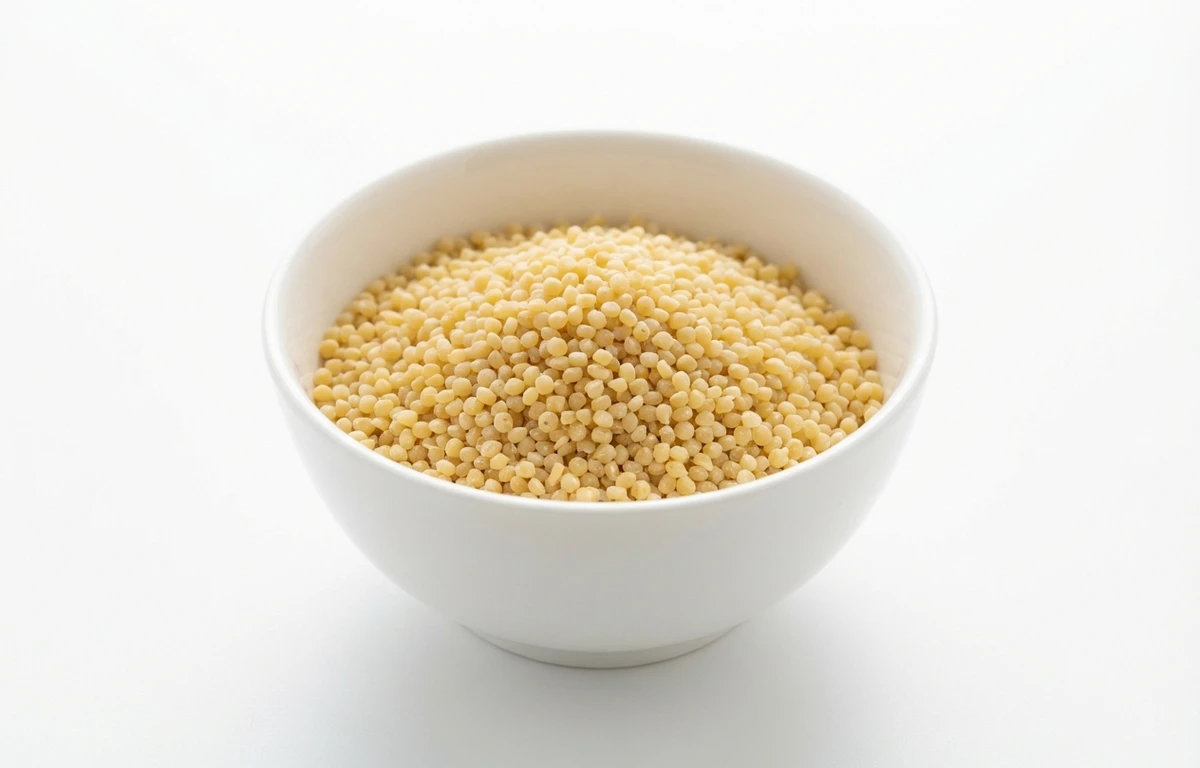
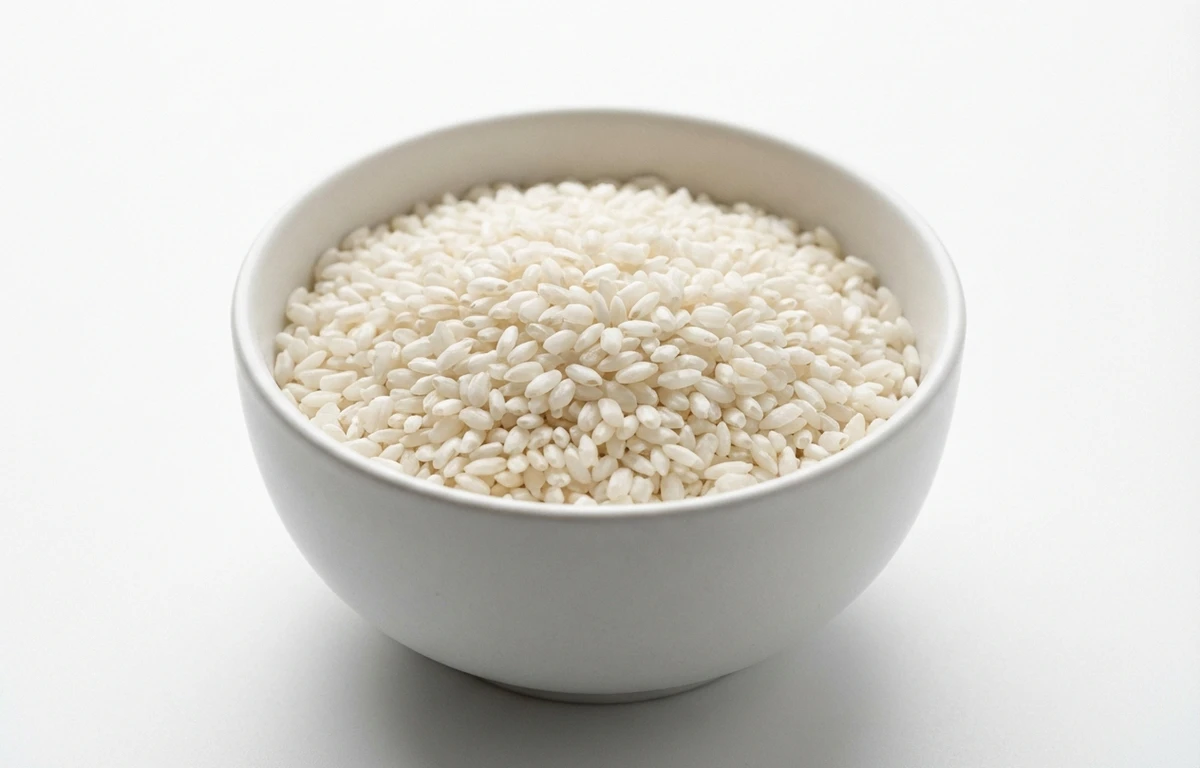
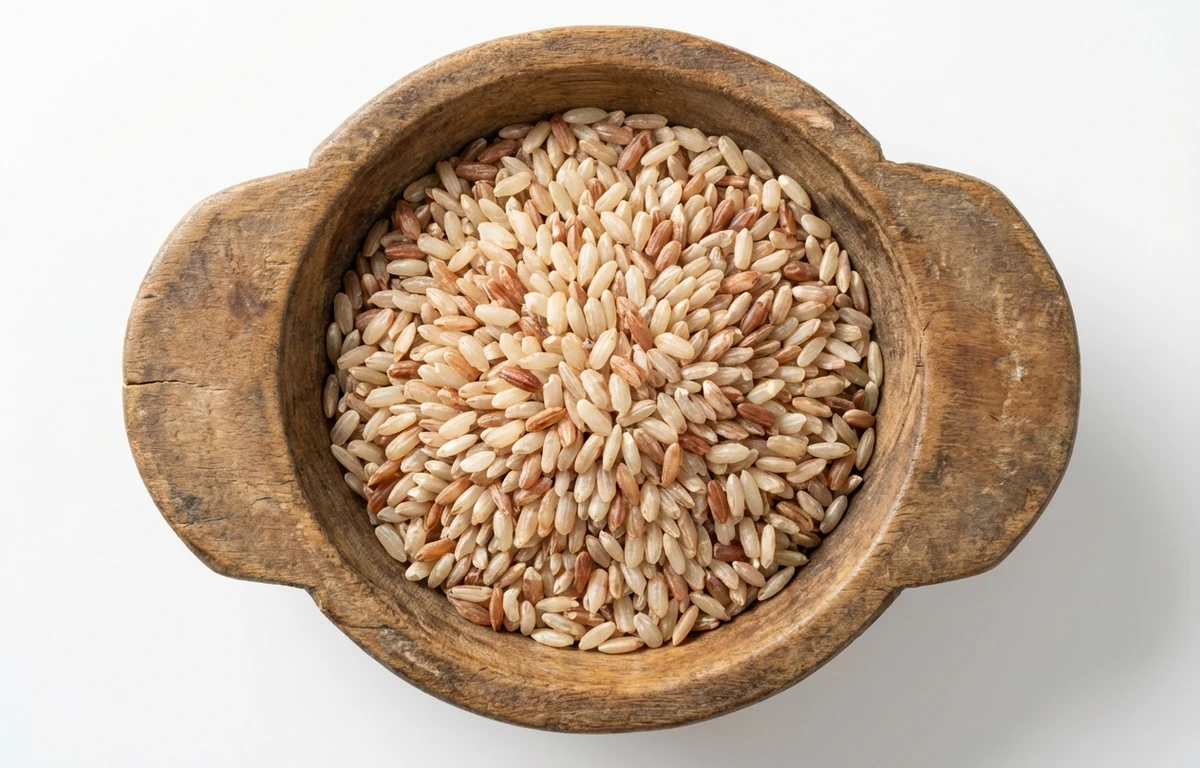
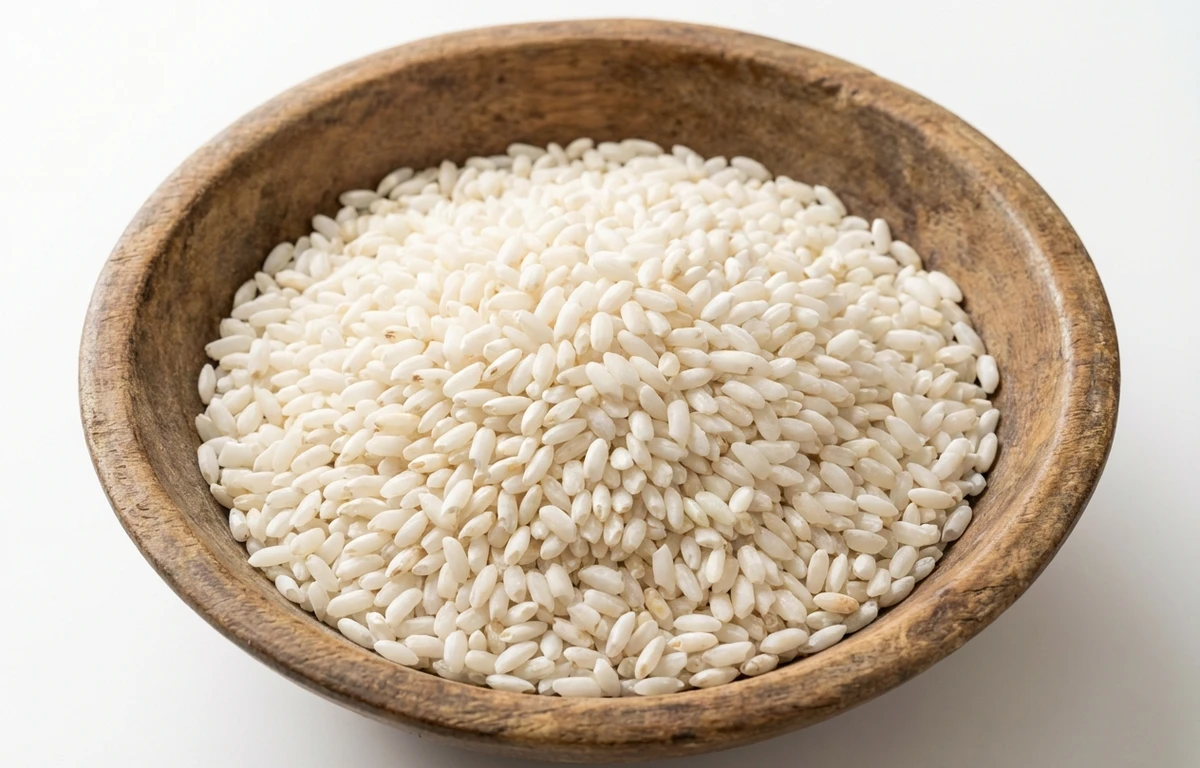
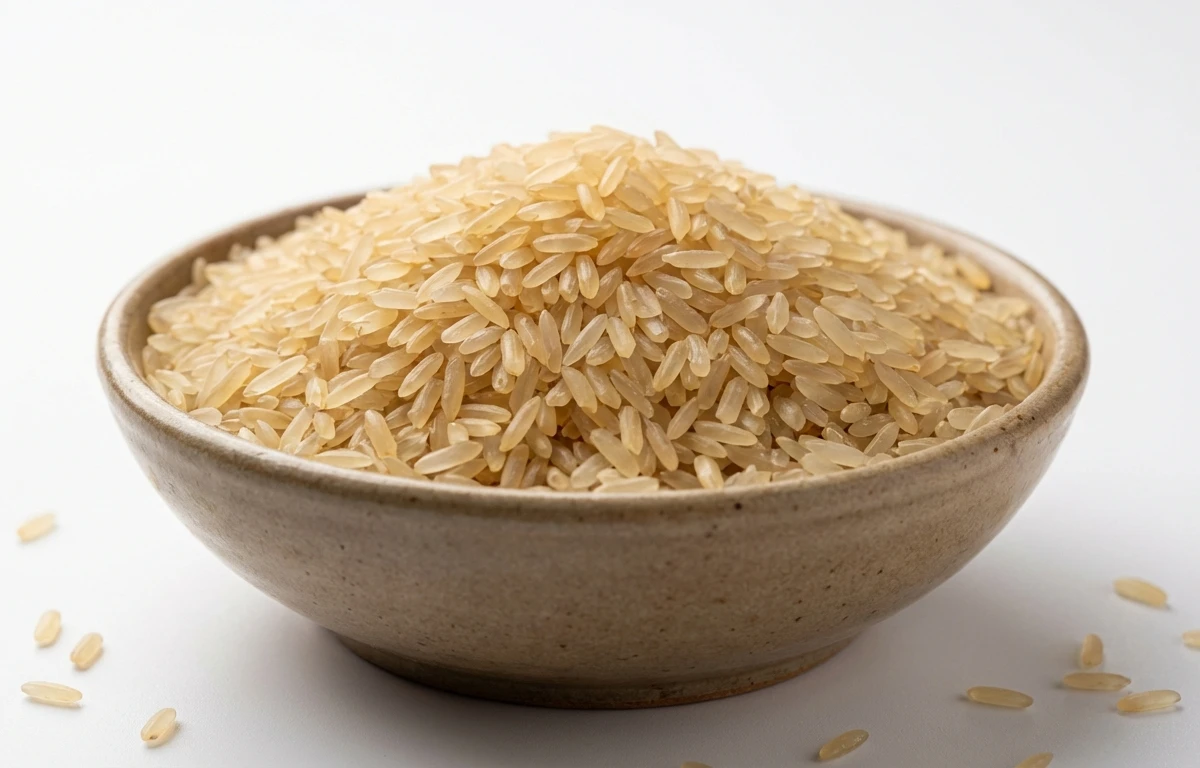
ukde tandul.
VegetarianVeganGluten-freeDairy-freeNut-freePeanut-freeSoy-freeEgg-freeShellfish-freeHoney-freeAlcohol-free
SERVING
CALORIES
363
PROTEIN
7.9g
CARBS
79.2g
FAT
0.70g
FIBER
1.6g
NUTRITION PROFILE · per 100 g
Everything in this ingredient.
MACRONUTRIENTS
Calories363kcal—
Protein7.9g16%
Carbohydrates79.2g29%
Fiber1.6g6%
Sugar0.10g0%
Total fat0.70g1%
Saturated fat0.20g1%
Trans fat0g—
Cholesterol0mg0%
Water11.6g—
MINERALS
Sodium5.0mg0%
Potassium153mg3%
Calcium11mg1%
Iron1.1mg6%
Magnesium33mg8%
Phosphorus135mg11%
Zinc1.3mg12%
Copper0.10mg11%
Manganese1.1mg48%
Selenium14.1µg26%
VITAMINS
Vitamin A0µg0%
Vitamin C0mg0%
Vitamin D0µg0%
Vitamin E0.10mg1%
Vitamin K0µg0%
Thiamin (B1)0.26mg22%
Riboflavin (B2)0.03mg2%
Niacin (B3)4.7mg29%
Pantothenic acid (B5)0.70mg14%
Vitamin B60.20mg12%
Folate (B9)11µg3%
Vitamin B120µg0%
%DV based on a 2,000 cal diet. Source: USDA FoodData Central. A dash in the %DV column means there’s no established Daily Value for that nutrient.
MEASUREMENT CONVERSIONS
How much is what.
1 cup195g
HEALTH BENEFITS
Why eat it.
- ✓Retains more nutrients like B vitamins (thiamine, niacin) compared to regular white rice, as the parboiling process pushes nutrients from the bran into the starchy endosperm.
- ✓Has a lower glycemic index than white rice, leading to a slower, more gradual increase in blood sugar levels, which is beneficial for blood sugar management.
- ✓The parboiling process increases the formation of resistant starch, which acts as a prebiotic to support beneficial gut bacteria and improve digestive health.
- ✓Cooked grains are firmer and less sticky, which can promote satiety and potentially aid in portion control.
COOKING TIPS
In the kitchen.
- 1Soak 'ukde tandul' for at least 30-60 minutes before cooking to soften the grains and ensure they cook evenly.
- 2It typically requires more water than regular white rice; a common ratio is 1 part rice to 2.5 or 3 parts water. Adjust based on desired texture.
- 3Due to its sturdy grain structure, it is ideal for making fermented batters for South Indian dishes like idli and dosa, as well as for dishes like biryani where separate, non-sticky grains are desired.
- 4Pressure cooking is an effective method for this rice, typically requiring 3-4 whistles on medium heat after soaking.
STORAGE
Keep it fresh.
- Store uncooked parboiled rice in a cool, dark, and dry place in an airtight container to prevent moisture absorption and infestation by pests.
- For long-term storage (over a year), consider vacuum sealing or storing in the freezer to maintain freshness and prevent the natural oils from going rancid.
FAQ
Frequently asked questions.
Is ukde tandul healthy?
Yes, ukde tandul (parboiled rice) is highly nutritious because the parboiling process preserves B vitamins like thiamine and niacin. It also contains resistant starch, which acts as a prebiotic to support gut health and offers a lower glycemic index than regular white rice.
How many calories and protein are in ukde tandul?
A 100g serving of ukde tandul provides approximately 363 calories and 7.9g of protein. It is a high-carbohydrate food with 79.2g of carbs and is very low in fat, containing only 0.7g per 100g.
Is ukde tandul good for weight loss?
It can be a helpful addition to a weight loss diet because its firmer texture and resistant starch content promote satiety, helping you feel full for longer. Its lower glycemic index also helps prevent the rapid insulin spikes associated with fat storage.
Is ukde tandul gluten-free?
Yes, ukde tandul is naturally gluten-free. It is an excellent energy source for individuals with celiac disease or those following a gluten-restricted diet.
Can diabetics eat ukde tandul?
Ukde tandul is generally better for diabetics than polished white rice because it has a lower glycemic index. This leads to a slower, more gradual increase in blood sugar levels, though it should still be consumed in controlled portions.
How do you cook ukde tandul?
It typically requires more water and a longer cooking time than white rice. It is best to soak the rice for 30-60 minutes before cooking, then use a ratio of 1 part rice to 2.5 or 3 parts water, simmering until the grains are tender but firm.
What does ukde tandul taste like?
Ukde tandul has a slightly nutty, earthy flavor and a distinct, chewy texture. Unlike regular white rice, the grains remain separate and firm after cooking rather than becoming sticky or mushy.
Can I use ukde tandul for making idli and dosa?
Yes, ukde tandul is a preferred variety for making idli and dosa batter. The parboiling process alters the starch, which aids in fermentation and results in softer idlis and crispier dosas.
How do you store ukde tandul?
Store it in an airtight container in a cool, dry, and dark place to protect it from moisture and pests. When stored correctly, it can remain fresh and nutritionally intact for up to 12 months.
What is the difference between ukde tandul and regular white rice?
The main difference is the parboiling process, where the rice is steamed in its husk before milling. This pushes nutrients from the outer bran into the grain, making ukde tandul more nutritious and giving it a firmer texture compared to white rice.
RECIPES
Cook with ukde tandul.
2 recipes · sorted by what’s quick