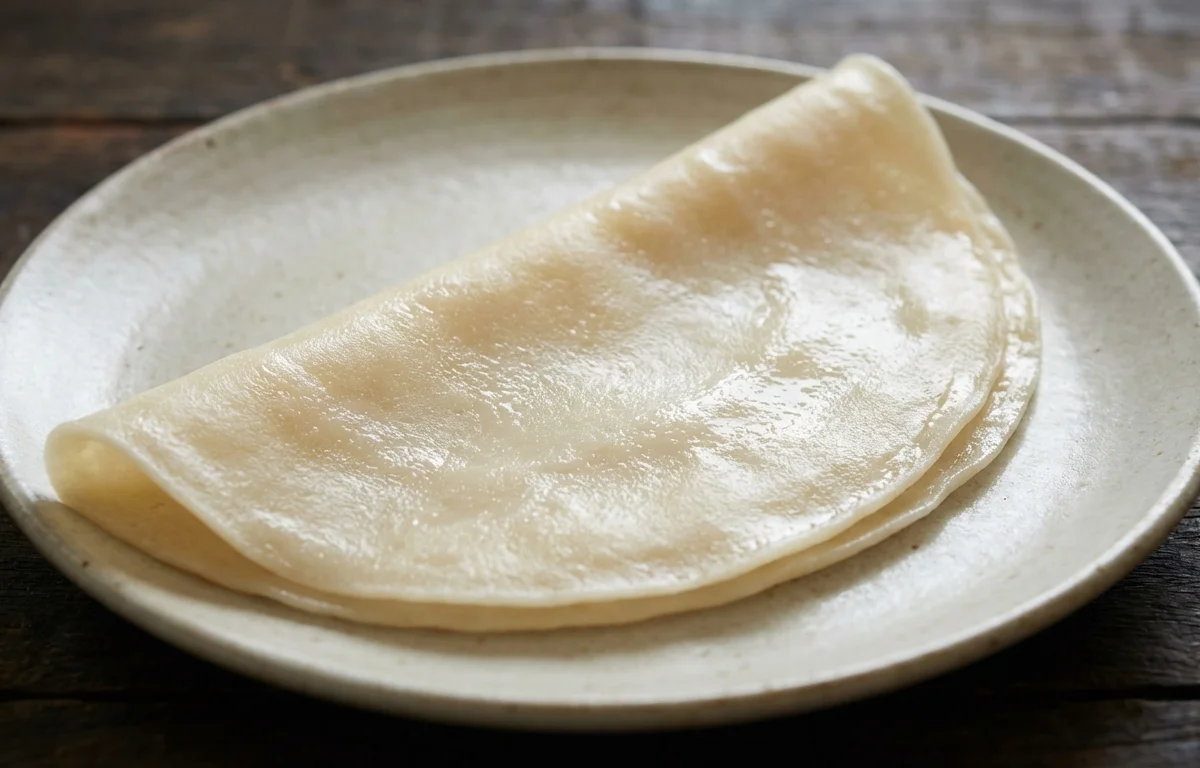
Ukde Sheet
Soft, fluffy steamed rice cakes made from parboiled red rice, a coastal Konkan and Goan specialty. Unlike regular idlis, these use ukde rice (parboiled rice) for a distinct texture and slightly deeper color. Naturally vegan and gluten-free, they pair beautifully with coconut chutney and sambar for a light, satisfying meal.
For 4 servings
- prep
Wash and soak the rice.
1.Wash the ukde rice in 3-4 changes of water until the water runs clear.2.Soak the washed rice in enough water to cover by 2 inches for at least 6 hours at room temperature. - prep
Wash and soak the urad dal and phen.
1.Wash the urad dal thoroughly until the water is no longer cloudy.2.Wash the phen in a small sieve under running water and let it sit for 5 minutes to drain.3.Soak the urad dal and drained phen together in a bowl with enough water to cover for 4-6 hours.TIPSoaking dal and phen together helps achieve a lighter, fluffier texture in the final batter. - mix
Grind the dal-phen mixture to a smooth paste.
1.Drain the soaked urad dal and phen, reserving the soaking water.2.Transfer the dal-phen mix to a wet grinder or blender.3.Add about 1/4 cup of the reserved water and grind to a smooth, fluffy paste.4.Pulse in short bursts if using a blender to avoid overheating the batter.5.Pour the paste into a large mixing bowl.TIPThe paste should be light and airy with a glossy sheen. Drop a small ball in water — it should float. - mix
Grind the rice to a slightly coarse paste.
1.Drain the soaked ukde rice, reserving the water.2.Transfer the rice to the grinder and add about 1/2 cup reserved water.3.Grind to a slightly grainy, semolina-like consistency — not as fine as the dal paste.4.Pour the rice batter into the same bowl with the dal paste.TIPUkde batter is traditionally ground a touch coarser than regular idli batter. This gives the sheets their signature texture. - mix
Combine the batters, add salt, and mix well.
1.Add salt to the combined batters.2.Use a clean hand or whisk to mix the two batters together vigorously for 2-3 minutes.3.The batter should be thick but flowing — it should thickly coat the back of a spoon. - rest
Cover and ferment the batter overnight.
1.Cover the mixing bowl with a lid or clean kitchen towel.2.Place in a warm, draft-free spot for 8-10 hours or until the batter has risen noticeably and smells lightly sour.3.If fermenting in a colder climate, place the bowl in an oven with just the pilot light on.TIPThe batter should double in volume and look frothy on top. Do not over-ferment or the idlis will be too sour. - prep
Prepare the steamer and moulds.
1.Fill the idli steamer base with about 1.5 inches of water and bring to a rolling boil over high heat.2.Lightly grease the idli mould plates with a few drops of oil.3.Give the fermented batter a gentle stir to knock out large air bubbles.TIPDon’t over-stir the fermented batter or you’ll deflate it. 2-3 gentle folds are enough. - steam · ~11 min
Pour the batter and steam the idlis.
1.Ladle the batter into each idli mould depression, filling about 3/4 full to allow room for rising.2.Place the filled idli stand in the steamer, cover with the lid, and steam on high heat for 10-12 minutes.3.Check doneness by inserting a toothpick in the center — it should come out clean. - rest · ~3 min
Rest and unmould the ukde sheets.
1.Turn off the heat and let the idli stand rest in the steamer for 2-3 minutes.2.Remove the stand and let it cool for another minute.3.Use a wet spoon or butter knife to gently loosen the edges and scoop out the idlis onto a serving plate.TIPA wet spoon prevents the soft idlis from sticking and breaking apart during unmoulding. - serve
Serve the ukde sheets warm.
Serve the soft, fluffy ukde sheets immediately with coconut chutney and a bowl of hot sambar. They are best eaten fresh off the steamer.
What to keep in mind.
8 tips from the recipe — small details that make a real difference to the final dish.
- 1Use freshly harvested ukde rice for the best texture and natural sweetness in the sheets.
- 2Soak the rice for at least 6 hours; longer soaking ensures a softer, more workable batter.
- 3Grind the dal-phen mixture until it feels light and airy—a small ball should float in water.
- 4Keep the rice batter slightly coarse (semolina-like) for the signature grainy bite of ukde sheets.
- 5Ferment in a warm spot (80-85°F) until the batter doubles in volume and smells mildly sour.
- 6Grease the idli moulds lightly with oil to prevent sticking, but not too much or the batter will slide.
- 7Let the steamed idlis rest 2-3 minutes before unmoulding so they firm up slightly.
- 8Use a wet spoon to loosen the edges of the idlis—this prevents tearing the soft sheets.
Adapt it for your goals.
Spiced
Add 1 teaspoon of grated ginger, 2-3 finely chopped green chilies, and a pinch of asafoetida to the batter before fermenting for a fragrant, mildly spicy version.
vegetableVegetable
Fold in 1/2 cup of finely grated carrots or chopped spinach into the fermented batter for a colorful, nutrient-packed variation.
low oilLow-oil
Skip the oil for greasing moulds by lining them with a piece of banana leaf or parchment paper; the idlis will still release easily and taste authentic.
herb infusedHerb-infused
Blend in a handful of fresh curry leaves or cilantro when grinding the rice batter for an herby aroma that pairs well with coconut chutney.
Why this is on our healthy list.
Rich in Complex Carbs
Parboiled red rice provides steady, slow-release energy, making these cakes a good choice for sustained fuel without blood sugar spikes.
Naturally Gluten-Free
Made with rice and lentils, ukde sheets are safe for those with gluten intolerance or celiac disease.
Plant-Based Protein Source
The urad dal contributes a modest amount of plant protein, supporting muscle repair and satiety in a vegan diet.
Supports Digestion
The fermentation process develops beneficial probiotics that aid gut health and improve nutrient absorption from the grains.
Frequently asked questions
Yes, but the texture will be softer and less grainy. Ukde rice (parboiled red rice) gives the distinct crumb and nutty flavor. Adjust water slightly, as parboiled rice absorbs less water.