
Spice
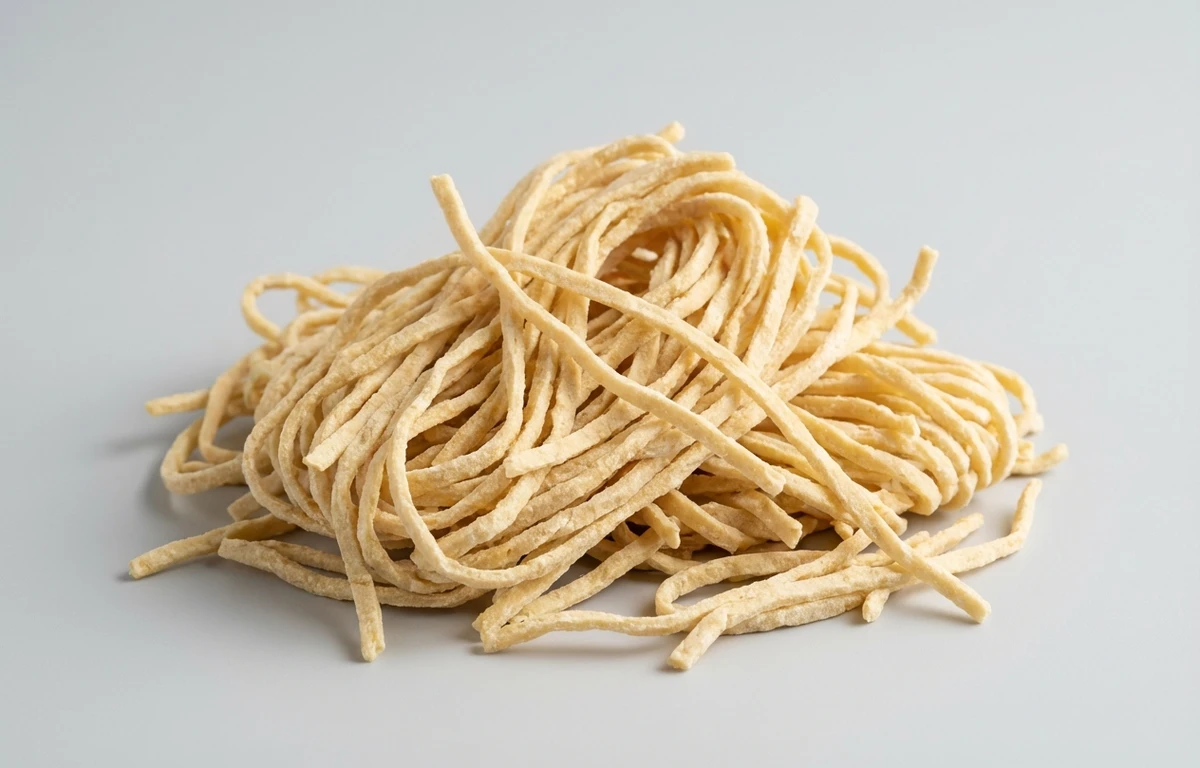
unsalted chickpea flour noodles.
VegetarianVeganGluten-freeDairy-freeNut-freePeanut-freeSoy-freeEgg-freeShellfish-freeHoney-freeAlcohol-free
ALSO KNOWN AS
plain sevunsalted sev
SERVING
CALORIES
550
PROTEIN
12g
CARBS
48g
FAT
36g
FIBER
4.0g
NUTRITION PROFILE · per 100 g
Everything in this ingredient.
MACRONUTRIENTS
Calories550kcal—
Protein12g24%
Carbohydrates48g17%
Fiber4.0g14%
Sugar0g0%
Total fat36g46%
Saturated fat16g80%
Trans fat0g—
Cholesterol0mg0%
Water2.0g—
MINERALS
Sodium5.0mg0%
Potassium300mg6%
Calcium20mg2%
Iron2.0mg11%
Magnesium166mg40%
Phosphorus318mg25%
Zinc2.8mg26%
Copper0.91mg101%
Manganese1.6mg70%
Selenium8.3µg15%
VITAMINS
Vitamin A0µg0%
Vitamin C0mg0%
Vitamin D0µg0%
Vitamin E0.83mg6%
Vitamin K9.1µg8%
Thiamin (B1)0.49mg41%
Riboflavin (B2)0.11mg8%
Niacin (B3)1.8mg11%
Pantothenic acid (B5)0.61mg12%
Vitamin B60.49mg29%
Folate (B9)437µg109%
Vitamin B120µg0%
%DV based on a 2,000 cal diet. Source: USDA FoodData Central. A dash in the %DV column means there’s no established Daily Value for that nutrient.
MEASUREMENT CONVERSIONS
How much is what.
1 cup92g
1 tablespoon5.8g
1 teaspoon1.9g
1 ml0.4g
1 liter383.3g
HEALTH BENEFITS
Why eat it.
- ✓Provides plant-based protein and dietary fiber, which can contribute to satiety and digestive health.
- ✓Naturally gluten-free, offering an alternative for individuals with celiac disease or gluten sensitivity.
- ✓Contains essential minerals such as iron and magnesium, important for energy metabolism and overall well-being.
COOKING TIPS
In the kitchen.
- 1Enjoy as a crunchy, savory snack on its own.
- 2Use as a topping for various Indian street foods like chaat, bhel puri, or dahi puri.
- 3Sprinkle over salads, soups, or curries for added texture and a mild nutty flavor.
- 4Can be mixed with other dry snacks to create a custom trail mix or 'chivda'.
STORAGE
Keep it fresh.
- Store dry, uncooked noodles (sev) in an airtight container in a cool, dark, and dry place like a pantry to maintain crispness for several weeks to months.
- Protect from moisture and direct sunlight to prevent spoilage and loss of texture.
FAQ
Frequently asked questions.
Are unsalted chickpea flour noodles healthy?
These noodles are a good source of plant-based protein, fiber, and essential minerals like iron and magnesium. However, they are energy-dense with 550 calories and 36g of fat per 100g, so they should be enjoyed in moderation as part of a balanced diet.
How much protein is in unsalted chickpea flour noodles?
There are approximately 12g of protein per 100g serving. This makes them a more protein-rich snack option compared to traditional potato chips or wheat-based crackers.
Are these noodles gluten-free?
Yes, chickpea flour is naturally gluten-free. These noodles are an excellent alternative for individuals with celiac disease or gluten sensitivities, though you should always check for cross-contamination warnings on the label.
Are unsalted chickpea flour noodles keto-friendly?
No, they are not considered keto-friendly. With 48g of carbohydrates per 100g, they exceed the typical daily carb limit for a ketogenic diet.
What do unsalted chickpea flour noodles taste like?
They have a mild, earthy, and slightly nutty flavor typical of chickpeas. Because they are unsalted, the natural bean flavor is more pronounced, providing a neutral base for other seasonings.
How should I use these noodles in my diet?
As a snack, they are usually consumed crunchy like 'sev.' You can eat them plain, mix them into a savory trail mix, or use them as a gluten-free crunchy topping for salads, soups, and bowls.
Are these noodles vegan?
Most unsalted chickpea flour noodles are vegan as they are made from legume flour and oil. However, always verify the ingredient list to ensure no animal-derived additives or processing agents were used.
How should I store chickpea flour noodles?
Store them in an airtight container in a cool, dry place. Keeping them away from moisture and humidity is essential to maintain their crisp texture and prevent them from becoming stale.
How long do these noodles stay fresh?
When kept in a sealed container, they typically stay fresh for 2 to 4 weeks. If they develop a stale odor or lose their crunch, the oils may have begun to oxidize, and they should be discarded.
Why should I choose the unsalted version over salted ones?
The unsalted version is ideal for individuals monitoring their sodium intake for heart health or blood pressure. It also allows you to customize the flavor profile with your own herbs and spices without over-salting.



















