
Beverage1 recipes
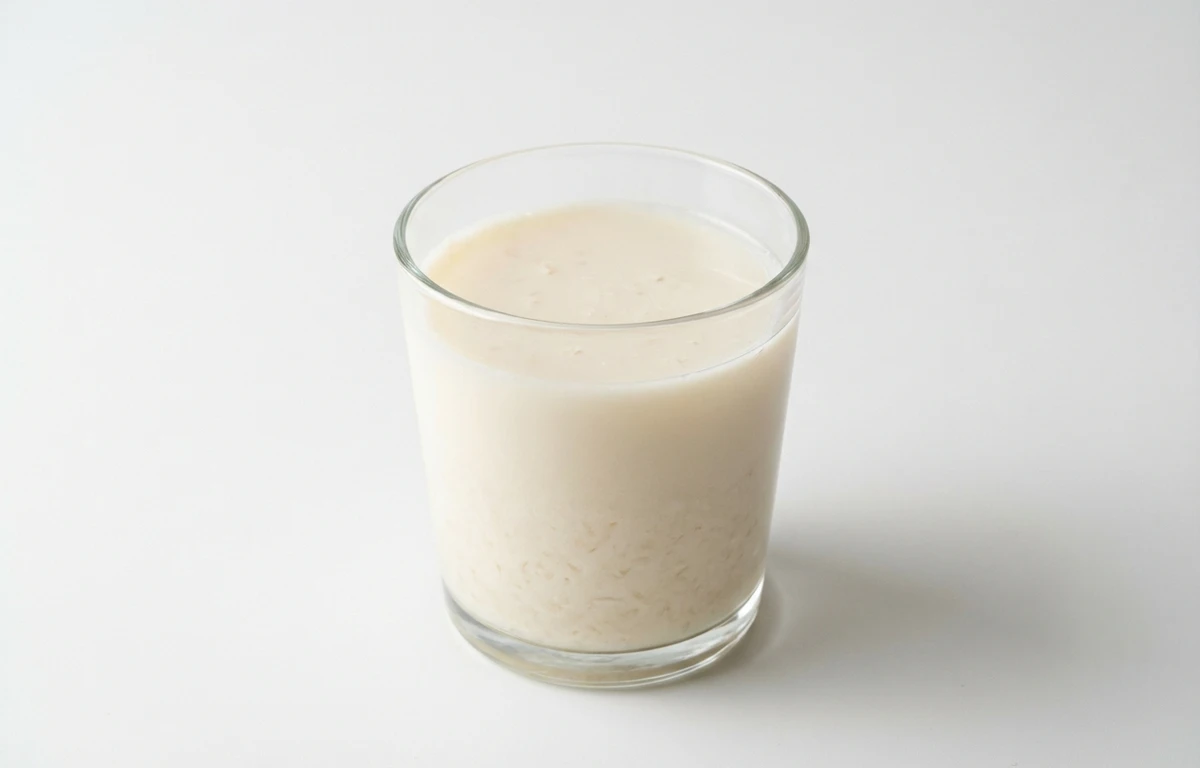
unsweetened rice milk.
VegetarianVeganGluten-freeDairy-freeNut-freePeanut-freeSoy-freeEgg-freeShellfish-freeHoney-freeAlcohol-free
SERVING
CALORIES
47
PROTEIN
0.28g
CARBS
9.2g
FAT
0.97g
FIBER
0.30g
NUTRITION PROFILE · per 100 g
Everything in this ingredient.
MACRONUTRIENTS
Calories47kcal—
Protein0.28g1%
Carbohydrates9.2g3%
Fiber0.30g1%
Sugar5.3g11%
Total fat0.97g1%
Saturated fat0g0%
Trans fat0g—
Cholesterol0mg0%
Water89.3g—
MINERALS
Sodium39mg2%
Potassium27mg1%
Calcium118mg9%
Iron0.20mg1%
Magnesium11mg3%
Phosphorus56mg4%
Zinc0.13mg1%
Copper0.04mg4%
Manganese0.28mg12%
Selenium2.2µg4%
VITAMINS
Vitamin A63µg7%
Vitamin C0mg0%
Vitamin D1.0µg5%
Vitamin E0.47mg3%
Vitamin K0.20µg0%
Thiamin (B1)0.03mg3%
Riboflavin (B2)0.14mg11%
Niacin (B3)0.39mg2%
Pantothenic acid (B5)0.15mg3%
Vitamin B60.04mg2%
Folate (B9)2.0µg1%
Vitamin B120.63µg26%
%DV based on a 2,000 cal diet. Source: USDA FoodData Central. A dash in the %DV column means there’s no established Daily Value for that nutrient.
MEASUREMENT CONVERSIONS
How much is what.
1 cup244.8g
1 tablespoon15.3g
1 teaspoon5.1g
1 ml1g
1 liter1020g
HEALTH BENEFITS
Why eat it.
- ✓Hypoallergenic option suitable for those with dairy, soy, or nut allergies.
- ✓Naturally cholesterol-free and low in saturated fat, supporting heart health.
- ✓Often fortified with calcium, vitamin D, and vitamin B12, which are crucial for bone health and plant-based diets.
- ✓Easily digestible compared to some other milk alternatives.
COOKING TIPS
In the kitchen.
- 1Use as a 1:1 replacement for dairy milk in smoothies, on cereal, or in oatmeal.
- 2Due to its low fat and protein content, it may not provide the same richness or structure in baked goods or creamy sauces.
- 3Its thin consistency makes it ideal for light beverages or recipes where a heavy creaminess is not desired.
- 4When making puddings or custards, consider adding a thickener like cornstarch or arrowroot powder to achieve the desired consistency.
STORAGE
Keep it fresh.
- Refrigerate immediately after opening and consume within 7-10 days for optimal freshness.
- Store unopened shelf-stable cartons in a cool, dark pantry away from heat sources.
- Avoid freezing, as it can cause the texture to separate and become watery upon thawing.
FAQ
Frequently asked questions.
Is unsweetened rice milk healthy?
Yes, unsweetened rice milk is a heart-healthy, cholesterol-free beverage that is very low in saturated fat. While it is lower in protein than dairy or soy milk, it is often fortified with calcium, vitamin D, and B12 to support bone and nerve health.
How much protein and how many calories are in unsweetened rice milk?
Unsweetened rice milk contains approximately 47 calories and 0.28g of protein per 100g. Because it is very low in protein, it should be paired with other protein-rich foods if used as a primary milk substitute.
Is unsweetened rice milk vegan and gluten-free?
Yes, unsweetened rice milk is 100% plant-based and naturally vegan. It is also naturally gluten-free, making it one of the safest milk alternatives for individuals with celiac disease or gluten intolerance.
Is unsweetened rice milk keto-friendly?
No, unsweetened rice milk is generally not keto-friendly. It contains about 9.17g of carbohydrates per 100g, which is significantly higher than almond or hemp milk, and can easily exceed daily carb limits on a ketogenic diet.
What does unsweetened rice milk taste like?
It has a very mild, neutral flavor with a subtle natural sweetness derived from the rice starches. Its consistency is thinner and more watery than soy or oat milk, similar to the texture of light skim milk.
Can I use unsweetened rice milk for baking and cooking?
Yes, it works well in recipes where a neutral flavor is preferred, such as light soups or thin batters. However, because it is low in fat and protein, it may not provide the same richness or structure as dairy milk in heavy sauces or custards.
How should I store unsweetened rice milk?
Shelf-stable cartons can be kept in a cool, dry pantry until the expiration date. Once opened, it must be refrigerated and is typically best consumed within 7 to 10 days.
Is rice milk a good choice for people with food allergies?
Yes, rice milk is considered the most hypoallergenic milk alternative. It is free from common allergens like dairy, soy, and nuts, making it an ideal choice for those with multiple food sensitivities.
Is unsweetened rice milk easy to digest?
Yes, rice milk is very easy on the digestive system and is naturally lactose-free. It is often recommended for individuals with sensitive stomachs or those recovering from digestive upset.
Can I freeze unsweetened rice milk?
While you can freeze it, the texture may become grainy or separate upon thawing. It is best used in smoothies or cooked dishes after freezing rather than being consumed as a standalone beverage.



















