Loading...
Also known as:
Per 100g
Nutrition data source: USDA FoodData Central
Common measurement equivalents in grams
Virgin coconut oil is high in saturated fats but contains medium-chain triglycerides (MCTs) which are easily metabolized for energy. It also contains lauric acid, known for its antimicrobial properties. While beneficial in moderation, it is calorie-dense and should be balanced with other healthy fats in your diet.
It is rich in MCTs that provide a quick energy source and may help increase HDL (good) cholesterol levels. The lauric acid content offers antimicrobial benefits, and it is widely used topically to support skin and hair health by providing deep hydration.
Some studies suggest the MCTs in coconut oil can increase satiety and slightly boost metabolism compared to long-chain fats. However, with 899 calories per 100g, it must be used sparingly as part of a calorie-controlled diet to avoid unintended weight gain.
Yes, virgin coconut oil is naturally vegan as it is plant-based and contains no animal products. It is also naturally gluten-free, making it safe for individuals with celiac disease or gluten sensitivities.
Yes, it is highly keto-friendly because it contains zero carbohydrates and is 100% fat. The MCTs it provides are particularly valued in ketogenic diets for their ability to be quickly converted into ketones for fuel.
Virgin coconut oil has a smoke point of approximately 350°F (177°C). It is suitable for sautéing and baking at medium temperatures, but for high-heat deep frying, refined coconut oil or other high-smoke-point oils are better options to avoid oil breakdown.
Virgin Coconut Oil is a versatile ingredient found in cuisines around the world. With 899 calories per 100g and valuable grams of protein, it's a nutritious addition to many dishes.
Explore more ingredients in the oil category with complete nutrition information.
View all oil →Discover 4 recipes featuring virgin coconut oil with step-by-step instructions.
Browse recipes →Explore more ingredients similar to Virgin Coconut Oil.
The most-searched ingredients on CraftMyMeals.
Unlike refined coconut oil, virgin coconut oil has a distinct, mild-to-strong tropical coconut aroma and flavor. It adds a pleasant sweetness and nutty undertone to dishes, making it popular in baking and Southeast Asian cuisine.
Store it in a cool, dark place away from direct sunlight; refrigeration is not necessary. It has a long shelf life of about 18 to 24 months, but you should check for a yellow tint, rancid smell, or mold to determine if it has spoiled.
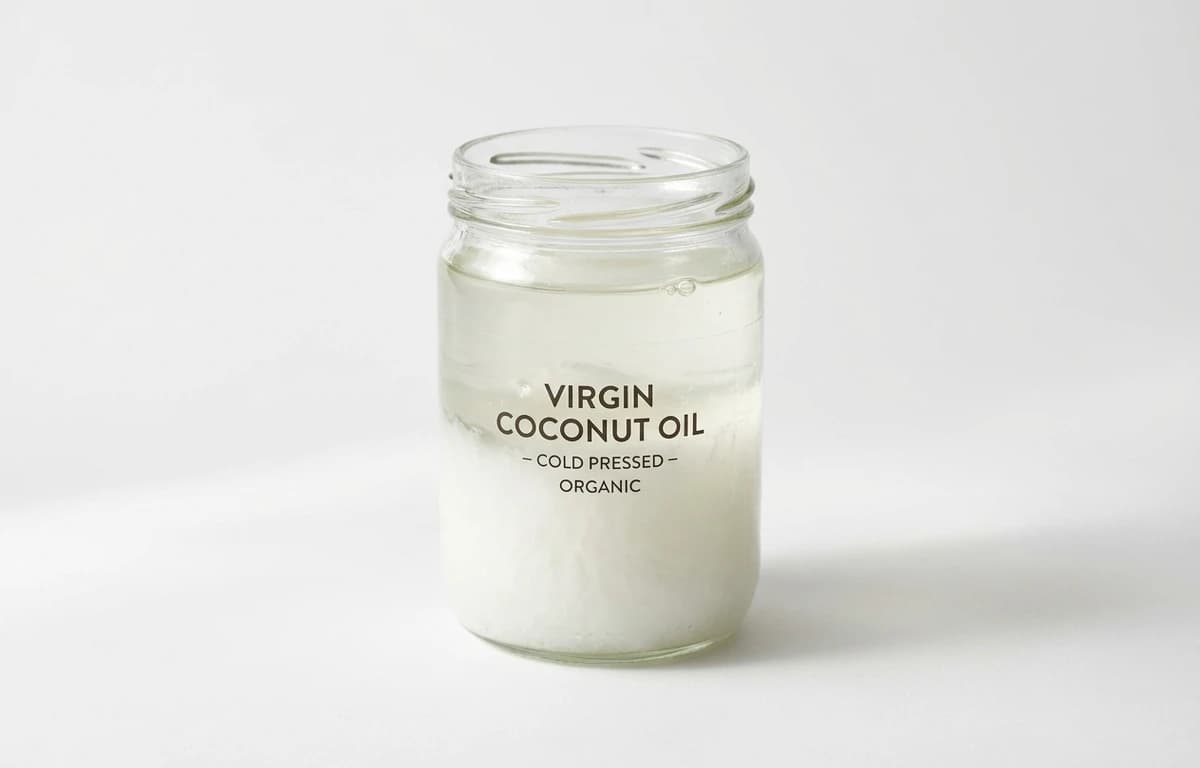
Coconut oil has a melting point of about 76°F (24°C). It will be a solid white fat in cooler temperatures and turn into a clear liquid in warmer environments; this transition is completely normal and does not affect the quality or nutritional value.
Yes, it is a popular natural moisturizer for the body and a deep conditioner for hair. Its fatty acids help lock in moisture and protect the skin barrier, though it may be comedogenic (pore-clogging) for those with oily or acne-prone facial skin.