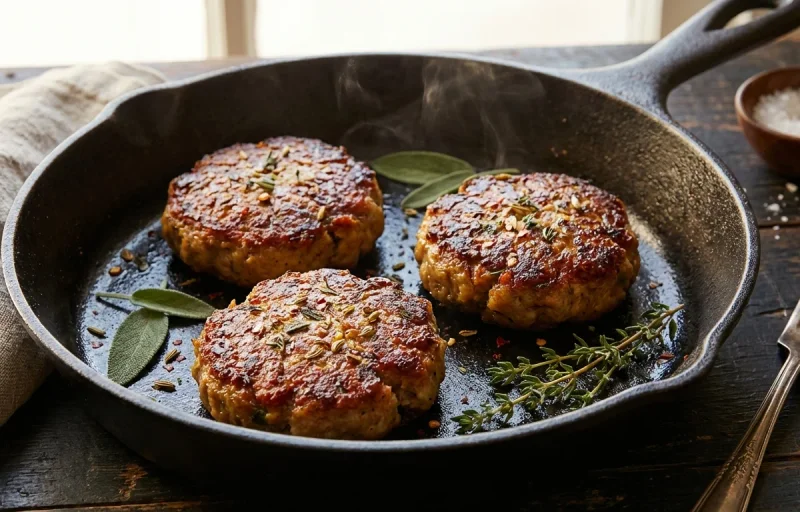
Other1 recipes
vital wheat gluten.
VegetarianVeganGluten-freeDairy-freeNut-freePeanut-freeSoy-freeEgg-freeShellfish-freeHoney-freeAlcohol-free
ALSO KNOWN AS
gluten flourseitan flour
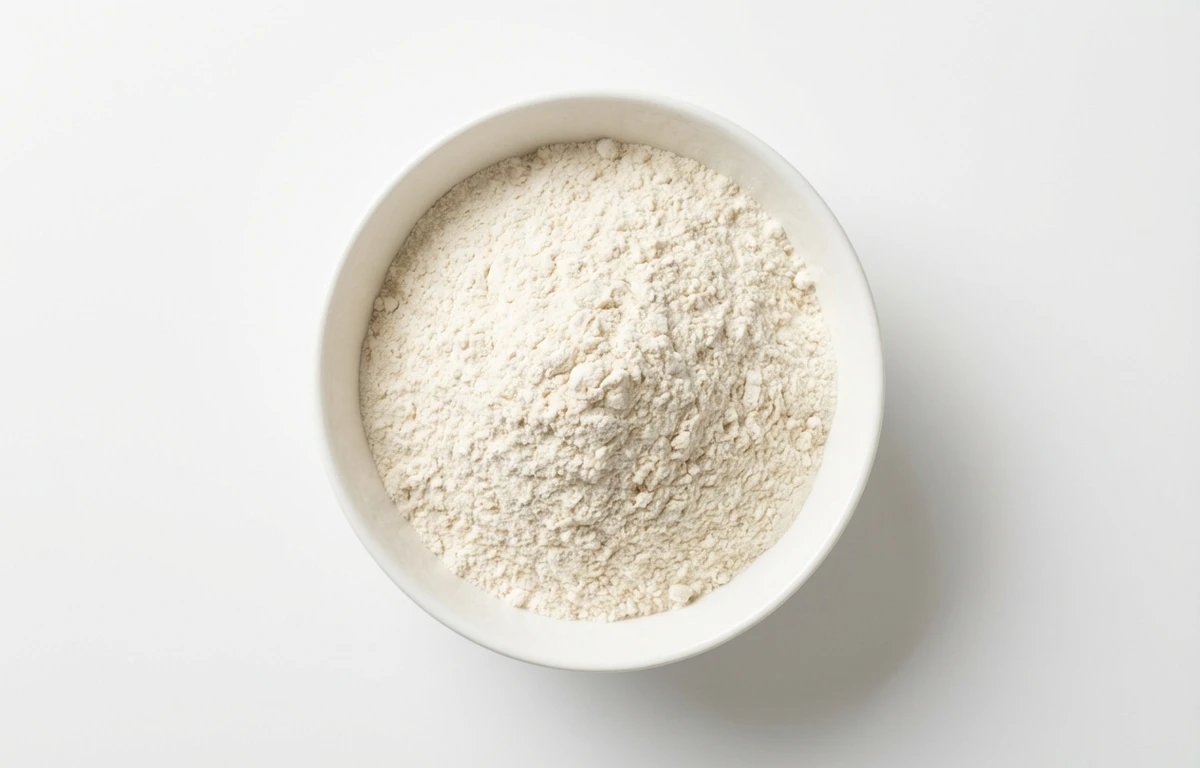
SERVING
CALORIES
370
PROTEIN
75.2g
CARBS
13.8g
FAT
1.9g
FIBER
0.60g
Per 100 g, it provides 0 µg of vitamin K.
NUTRITION PROFILE · per 100 g
Everything in this ingredient.
MACRONUTRIENTS
Calories370kcal—
Protein75.2g150%
Carbohydrates13.8g5%
Fiber0.60g2%
Sugar0g0%
Total fat1.9g2%
Saturated fat0.27g1%
Cholesterol0mg0%
Water8.2g—
MINERALS
Sodium29mg1%
Potassium100mg2%
Calcium142mg11%
Iron5.2mg29%
Magnesium25mg6%
Phosphorus260mg21%
Zinc0.85mg8%
Copper0.18mg20%
Selenium39.7µg72%
VITAMINS
Vitamin A0µg0%
Vitamin C0mg0%
Vitamin D0µg0%
Vitamin E0mg0%
Vitamin K0µg0%
Thiamin (B1)0mg0%
Riboflavin (B2)0mg0%
Niacin (B3)0mg0%
Pantothenic acid (B5)0mg0%
Vitamin B60mg0%
Folate (B9)0µg0%
Vitamin B120µg0%
%DV based on a 2,000 cal diet. Source: USDA FoodData Central. A dash in the %DV column means there’s no established Daily Value for that nutrient.
MEASUREMENT CONVERSIONS
How much is what.
1 cup120g
1 tablespoon7.5g
1 teaspoon2.5g
1 ml0.5g
1 liter500g
HEALTH BENEFITS
Why eat it.
- ✓Extremely high in plant-based protein, making it a key ingredient for vegan and vegetarian diets to support muscle mass.
- ✓Low in fat and carbohydrates, offering a concentrated protein source without significant additional calories from other macronutrients.
- ✓Forms the base for seitan, a versatile and satisfying meat substitute with a chewy, meat-like texture.
COOKING TIPS
In the kitchen.
- 1To make seitan, mix vital wheat gluten with water or vegetable broth and seasonings, knead gently for a few minutes, then simmer, steam, or bake.
- 2Add 1-2 tablespoons per cup of whole wheat or low-gluten flour in bread recipes to improve the dough's elasticity, resulting in a better rise and chewier texture.
- 3Use as a binder in plant-based recipes like veggie burgers, sausages, or meatballs to create a firm, non-crumbly texture.
- 4When preparing seitan, avoid over-kneading the dough, as this can develop too much gluten structure and lead to a tough, rubbery final product.
STORAGE
Keep it fresh.
- Store in an airtight container in a cool, dark, and dry place like a pantry for up to 6 months.
- For longer-term storage, place the airtight container in the freezer to maintain freshness and prevent the natural oils from going rancid.
FAQ
Frequently asked questions.
Is vital wheat gluten healthy?
Yes, vital wheat gluten is a highly nutritious plant-based protein source, providing about 75g of protein per 100g. It is low in fat and contains essential minerals like iron and selenium, which support thyroid function and oxygen transport.
How much protein is in vital wheat gluten?
Vital wheat gluten is exceptionally high in protein, containing approximately 75.16g per 100g. This makes it one of the most concentrated plant-based protein sources available, making it ideal for those looking to support muscle mass on a vegetarian or vegan diet.
Is vital wheat gluten keto-friendly?
Yes, it is generally considered keto-friendly because it is very high in protein and relatively low in net carbs, with about 13.79g of carbs per 100g. It is frequently used in low-carb baking to provide structure and chewiness without the high starch content of regular flour.
What is the difference between vital wheat gluten and regular flour?
Regular flour contains both starch and protein, whereas vital wheat gluten is made by hydrating wheat flour to activate the gluten and then washing away the starch. The remaining protein is dried and ground back into a powder that is nearly pure protein.
How do you use vital wheat gluten in cooking?
It is primarily used to make seitan by mixing the powder with water and seasonings to create a dough that is then simmered, steamed, or baked. It can also be added to low-protein flours (like rye or whole wheat) to improve the rise and texture of bread.
Is vital wheat gluten vegan?
Yes, vital wheat gluten is 100% vegan as it is derived entirely from wheat. It is a staple in plant-based diets because it can be transformed into seitan, which has a chewy, meat-like texture that satisfies many meat cravings.
What does vital wheat gluten taste like?
On its own, it has a very neutral, slightly wheaty flavor. Its main culinary value is its texture and its ability to absorb the flavors of whatever broths, spices, or marinades it is cooked with.
RECIPES
Cook with vital wheat gluten.
1 recipes · sorted by what’s quick