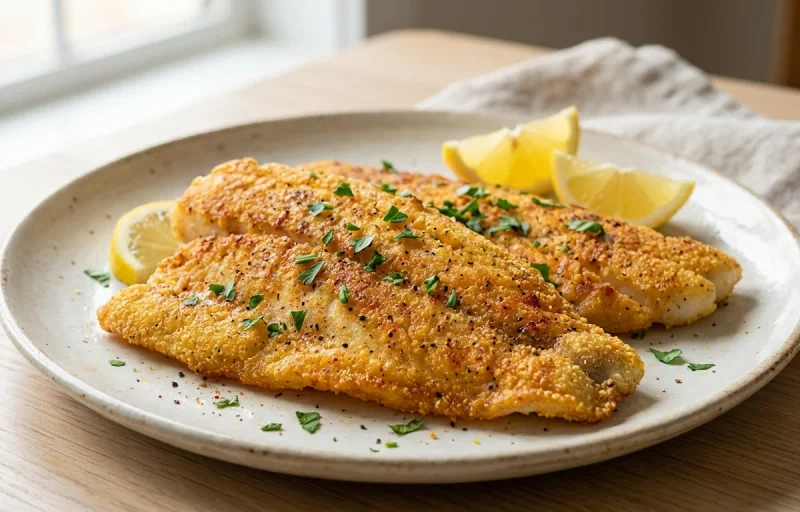
Other2 recipes
walleye fillets.
VegetarianVeganGluten-freeDairy-freeNut-freePeanut-freeSoy-freeEgg-freeShellfish-freeHoney-freeAlcohol-freeHalalKosher
ALSO KNOWN AS
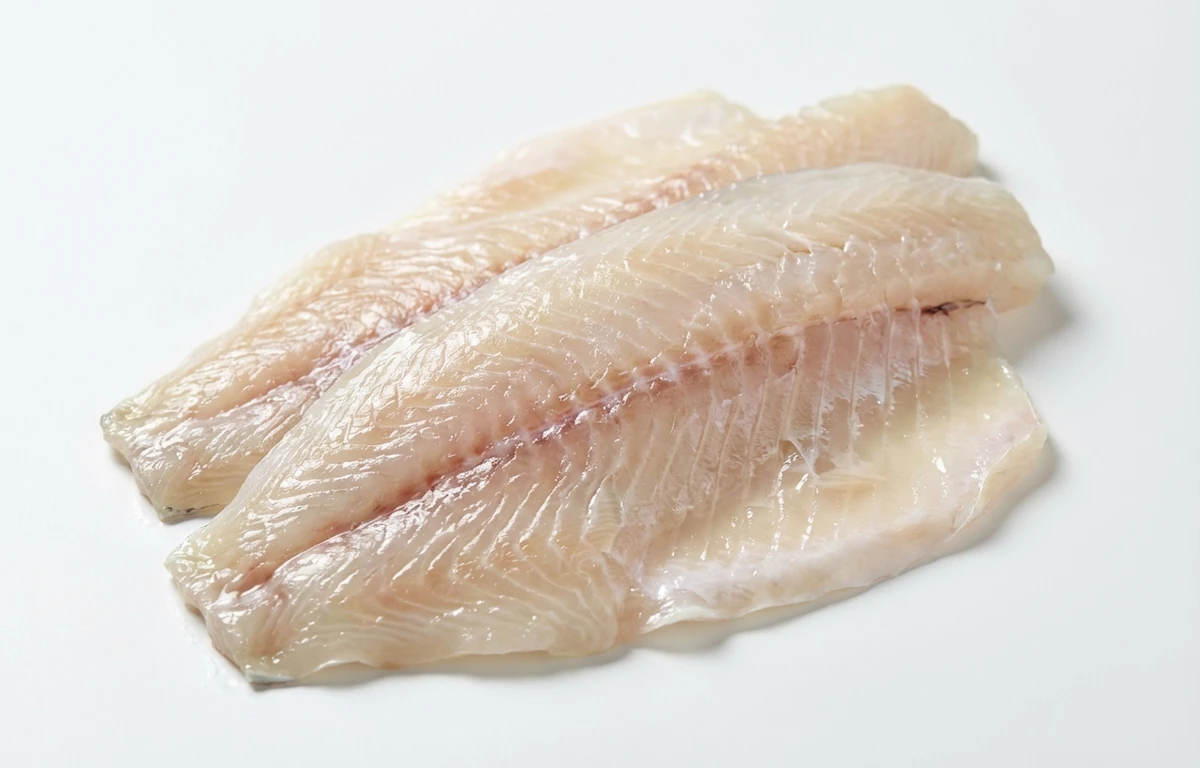
Walleye Filletpickerel fillets
SERVING
CALORIES
93
PROTEIN
19.1g
CARBS
0g
FAT
1.2g
FIBER
0g
This ingredient is flagged as naturally gluten-free. Per 100 g, it provides 0.10 µg of vitamin K.
NUTRITION PROFILE · per 100 g
Everything in this ingredient.
MACRONUTRIENTS
Calories93kcal—
Protein19.1g38%
Carbohydrates0g0%
Fiber0g0%
Sugar0g0%
Total fat1.2g2%
Saturated fat0.30g2%
Trans fat0g—
Cholesterol86mg29%
Water78.5g—
MINERALS
Sodium51mg2%
Potassium389mg8%
Calcium110mg8%
Iron0.90mg5%
Magnesium30mg7%
Phosphorus210mg17%
Zinc0.50mg5%
Copper0.04mg4%
Manganese0.02mg1%
Selenium12.6µg23%
VITAMINS
Vitamin A0µg0%
Vitamin C0mg0%
Vitamin D3.5µg18%
Vitamin E0.70mg5%
Vitamin K0.10µg0%
Thiamin (B1)0.12mg10%
Riboflavin (B2)0.12mg9%
Niacin (B3)2.3mg14%
Pantothenic acid (B5)0.75mg15%
Vitamin B60.20mg12%
Folate (B9)15µg4%
Vitamin B122.0µg83%
%DV based on a 2,000 cal diet. Source: USDA FoodData Central. A dash in the %DV column means there’s no established Daily Value for that nutrient.
MEASUREMENT CONVERSIONS
How much is what.
1 cup140g
1 tablespoon8.8g
1 teaspoon2.9g
1 oz28.4g
1 lb453.6g
1 ml0.6g
1 liter583.3g
1 piece142g
HEALTH BENEFITS
Why eat it.
- ✓Excellent source of lean, high-quality protein, essential for muscle repair and growth.
- ✓Rich in omega-3 fatty acids (EPA and DHA), which support cardiovascular health and brain function.
- ✓Provides significant amounts of Vitamin B12, crucial for nerve function and red blood cell formation.
COOKING TIPS
In the kitchen.
- 1Pat fillets completely dry with a paper towel before cooking to achieve a crispy skin or a golden-brown sear.
- 2Walleye has a mild, sweet flavor and a delicate, flaky texture that is best suited for pan-frying, baking, broiling, or poaching. Avoid overpowering sauces.
- 3Cook until the internal temperature reaches 145°F (63°C) or until the flesh is opaque and flakes easily with a fork. Be careful not to overcook, as it can become dry.
- 4A simple seasoning of salt, pepper, lemon, and dill or parsley complements the fish's natural flavor without overwhelming it.
STORAGE
Keep it fresh.
- Store fresh walleye fillets in the coldest part of the refrigerator (below 40°F or 4°C) and consume within 1-2 days.
- For long-term storage, wrap fillets tightly in plastic wrap and freezer paper or place in a vacuum-sealed bag. Freeze at 0°F (-18°C) for up to 6 months for best quality.
- Thaw frozen fillets safely by placing them in the refrigerator overnight or sealing them in a plastic bag and submerging in cold water.
FAQ
Frequently asked questions.
Is walleye healthy?
Yes, walleye is a very healthy lean protein source. It is low in calories and fat while providing essential nutrients like Omega-3 fatty acids, Vitamin B12, and selenium, which support heart health and brain function.
How much protein is in walleye?
Walleye is an excellent source of high-quality protein, containing approximately 19.1 grams per 100-gram serving. This makes it an ideal choice for muscle repair, growth, and maintaining a healthy metabolism.
Is walleye gluten-free?
Naturally, walleye fillets are 100% gluten-free. However, be cautious with preparation methods like breading or deep-frying, which often use wheat flour; if you are gluten-sensitive, use cornmeal or certified gluten-free breadcrumbs instead.
Is walleye keto-friendly?
Yes, walleye is perfect for a keto or low-carb diet as it contains 0 grams of carbohydrates. Since it is a very lean fish, you may want to cook it with healthy fats like butter or olive oil to better fit keto macronutrient goals.
What does walleye taste like?
Walleye is highly prized for its mild, subtle, and slightly sweet flavor. It has a fine, firm texture that produces large, moist flakes when cooked, making it a favorite even for those who typically avoid 'fishy' tasting seafood.
How do you cook walleye fillets?
Walleye is versatile and can be pan-fried, baked, grilled, or poached. Because the fillets are relatively thin, they cook quickly—usually 3-5 minutes per side—and are finished when the flesh is opaque and flakes easily with a fork.
Do walleye fillets have many bones?
While most commercial fillets are deboned, walleye naturally have a row of small 'pin bones.' It is always a good practice to run your finger along the center of the fillet before cooking to check for and remove any remaining small bones with tweezers.
RECIPES
Cook with walleye fillets.
2 recipes · sorted by what’s quick