Nuts Seeds10 recipes
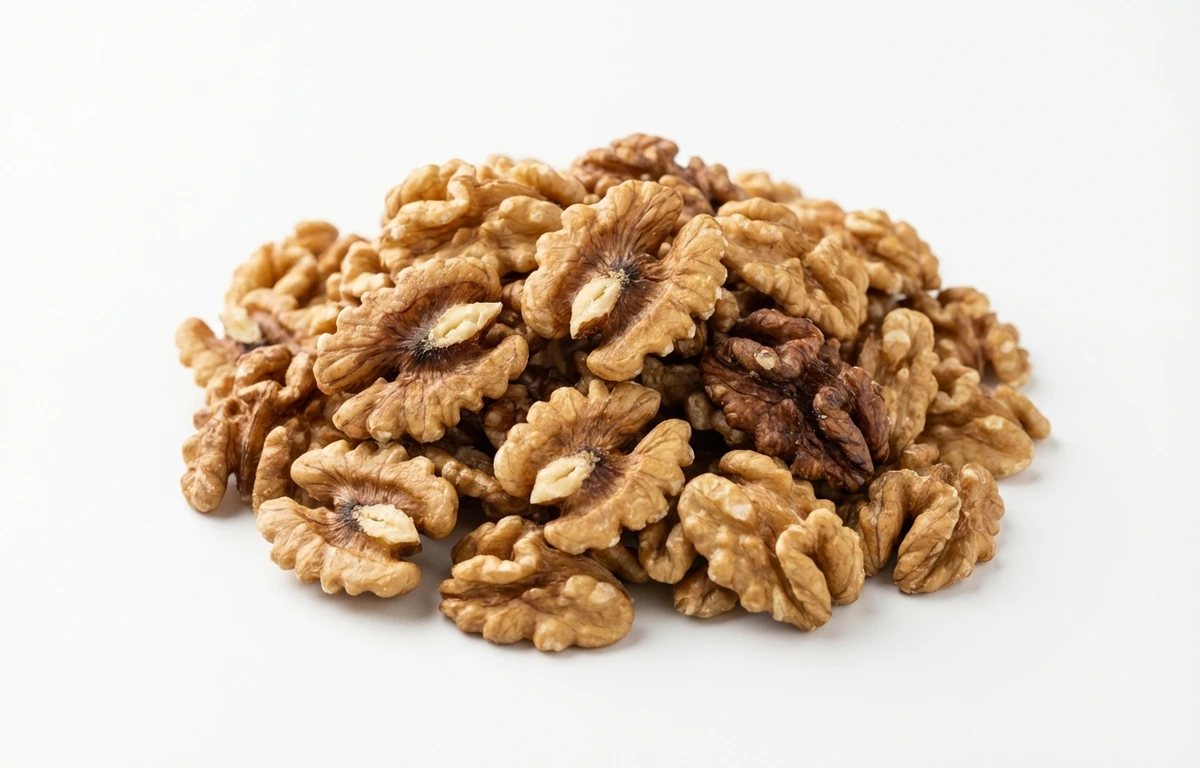
walnuts.
VegetarianVeganGluten-freeDairy-freeNut-freePeanut-freeSoy-freeEgg-freeShellfish-freeHoney-freeAlcohol-free
ALSO KNOWN AS
English walnutPersian walnutwalnutwalnuts crumbledakhrotshelled walnut
SERVING
CALORIES
654
PROTEIN
15.2g
CARBS
13.7g
FAT
65.2g
FIBER
6.7g
NUTRITION PROFILE · per 100 g
Everything in this ingredient.
MACRONUTRIENTS
Calories654kcal—
Protein15.2g30%
Carbohydrates13.7g5%
Fiber6.7g24%
Sugar2.6g5%
Total fat65.2g84%
Saturated fat6.1g31%
Cholesterol0mg0%
Water4.1g—
MINERALS
Sodium2.0mg0%
Potassium441mg9%
Calcium98mg8%
Iron2.9mg16%
Magnesium142mg34%
Phosphorus365mg29%
Zinc2.8mg25%
Copper1.2mg134%
Manganese3.0mg130%
VITAMINS
Vitamin A0µg0%
Vitamin C1.3mg1%
Vitamin D0µg0%
Vitamin K1.7µg1%
Thiamin (B1)0.23mg19%
Riboflavin (B2)0.15mg12%
Niacin (B3)1.2mg8%
Vitamin B60.66mg39%
%DV based on a 2,000 cal diet. Source: USDA FoodData Central. A dash in the %DV column means there’s no established Daily Value for that nutrient.
MEASUREMENT CONVERSIONS
How much is what.
1 cup120g
1 tablespoon7.5g
1 teaspoon2.5g
1 ml0.5g
1 liter500g
1 piece2g
HEALTH BENEFITS
Why eat it.
- ✓Excellent source of Alpha-Linolenic Acid (ALA), a plant-based omega-3 fatty acid crucial for heart and brain health.
- ✓Rich in antioxidants, including polyphenols and vitamin E, which help combat oxidative damage and inflammation.
- ✓Supports gut health by promoting the growth of beneficial bacteria in the microbiome.
- ✓May aid in weight management by increasing feelings of fullness due to their high fiber, protein, and healthy fat content.
- ✓Contributes to bone health with minerals like magnesium and phosphorus.
COOKING TIPS
In the kitchen.
- 1Toast walnuts in a dry skillet over medium heat for 3-5 minutes or in an oven at 350°F (175°C) for 7-10 minutes to deepen their flavor and enhance their crunch before adding to salads, baked goods, or oatmeal.
- 2Soak raw walnuts in water for at least 4 hours to soften them, making them ideal for blending into creamy vegan sauces, dips, or plant-based milks.
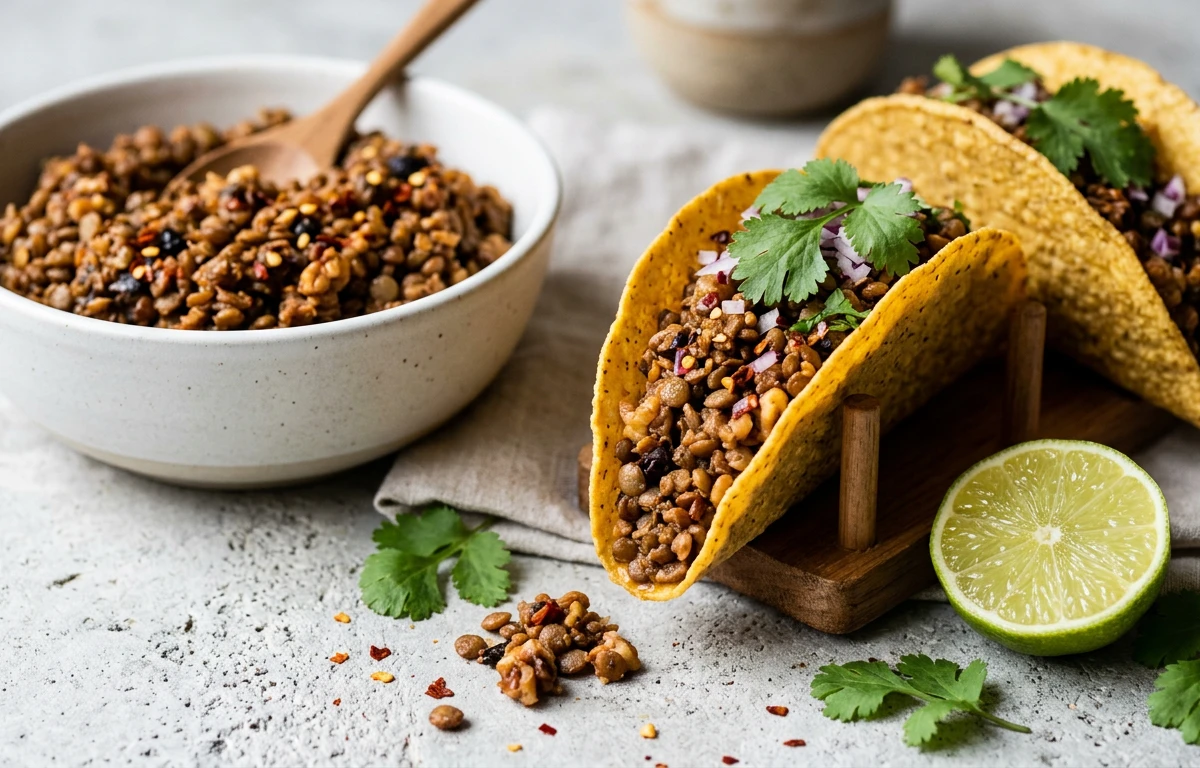
- 3Finely chop or grind walnuts to use as a nutrient-dense coating for fish or chicken, or as a meat substitute in vegetarian bolognese sauces and tacos.
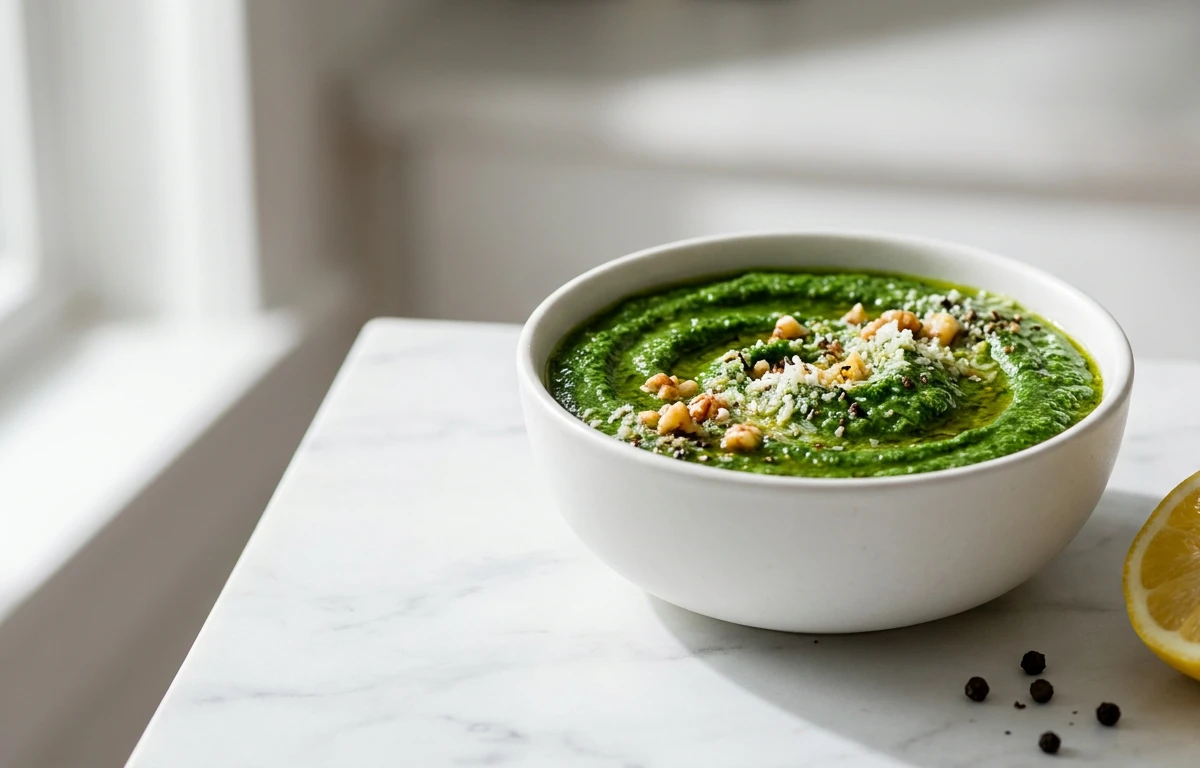
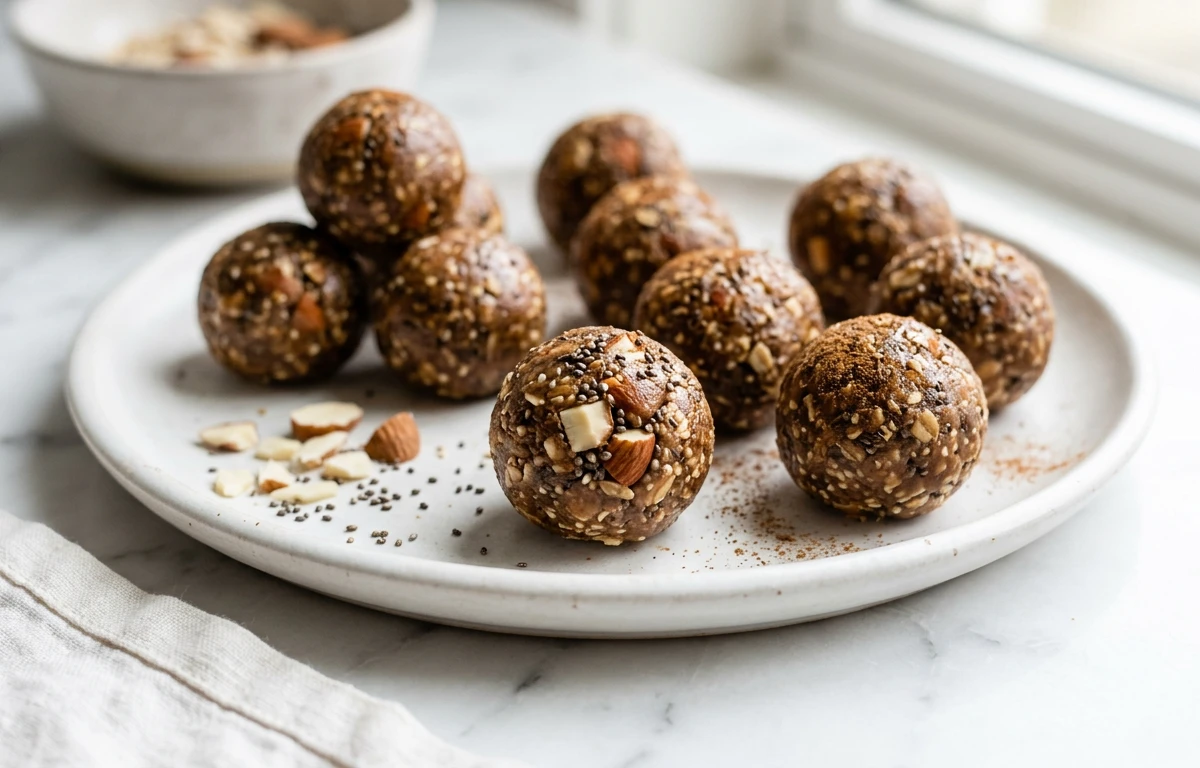
- 4Incorporate into pesto, granola, or energy bars for added nutrition and texture.
STORAGE
Keep it fresh.
- To prevent the natural oils from going rancid, store shelled walnuts in an airtight container in the refrigerator for up to 6 months or in the freezer for up to one year.
- In-shell walnuts can be stored in a cool, dark, and dry place, like a pantry, for 6 to 12 months.
- Keep away from strong odors as walnuts can absorb them.
FAQ
Frequently asked questions.
Are walnuts healthy?
Yes, walnuts are exceptionally healthy, particularly for heart and brain health due to their high content of Alpha-Linolenic Acid (ALA), a plant-based omega-3. They are also rich in antioxidants like polyphenols and vitamin E, which help reduce inflammation and oxidative stress throughout the body.
How many calories and how much protein are in walnuts?
Walnuts are calorie-dense, providing approximately 654 calories per 100g. They contain about 15.23g of protein and 13.71g of carbohydrates, making them a substantial plant-based protein source for vegetarians and vegans.
Are walnuts good for weight loss?
Despite being high in calories, walnuts can aid in weight management because their combination of fiber, protein, and healthy fats increases satiety. Consuming a small handful can help you feel full longer, potentially reducing overall calorie intake throughout the day.
Are walnuts keto-friendly?
Yes, walnuts are excellent for a ketogenic diet because they are high in healthy fats (65.21g per 100g) and relatively low in net carbs. A standard 28g serving contains only about 2g of net carbs, fitting easily into daily low-carb macros.
Are walnuts vegan and gluten-free?
Yes, walnuts are naturally vegan and gluten-free as they are a single-ingredient plant food. However, individuals with severe gluten sensitivities should check packaging to ensure they weren't processed on shared equipment with wheat products.
What do walnuts taste like and how are they used in cooking?
Walnuts have a mild, earthy, and slightly tangy flavor with a distinct crunch. They are highly versatile and can be eaten raw, toasted in salads, baked into breads and muffins, or ground into savory sauces and pestos.
Should I remove the skin from walnuts before eating?
It is best to eat walnuts with the skin on, as the thin, papery skin contains the majority of the nut's antioxidants. While the skin can have a slightly bitter taste, removing it significantly reduces the total phenolic content and nutritional value.
How should I store walnuts to keep them fresh?
Because of their high oil content, walnuts can go rancid quickly if exposed to heat. Store them in an airtight container in the refrigerator for up to six months, or in the freezer for up to a year to maintain their flavor and nutritional quality.
How can I tell if walnuts have gone bad?
Spoiled walnuts will develop a sharp, chemical smell similar to paint thinner or old oil. They may also taste extremely bitter or look shriveled; if you notice these signs or any mold, the nuts should be discarded.
Do I need to soak walnuts before eating them?
Soaking walnuts is not required, but some people choose to do so to reduce phytic acid and improve digestibility. Soaking for a few hours can also soften the texture and remove some of the bitterness from the skins, though it will reduce their crunch.
RECIPES
Cook with walnuts.
10 recipes · sorted by what’s quick