Dairy7 recipes
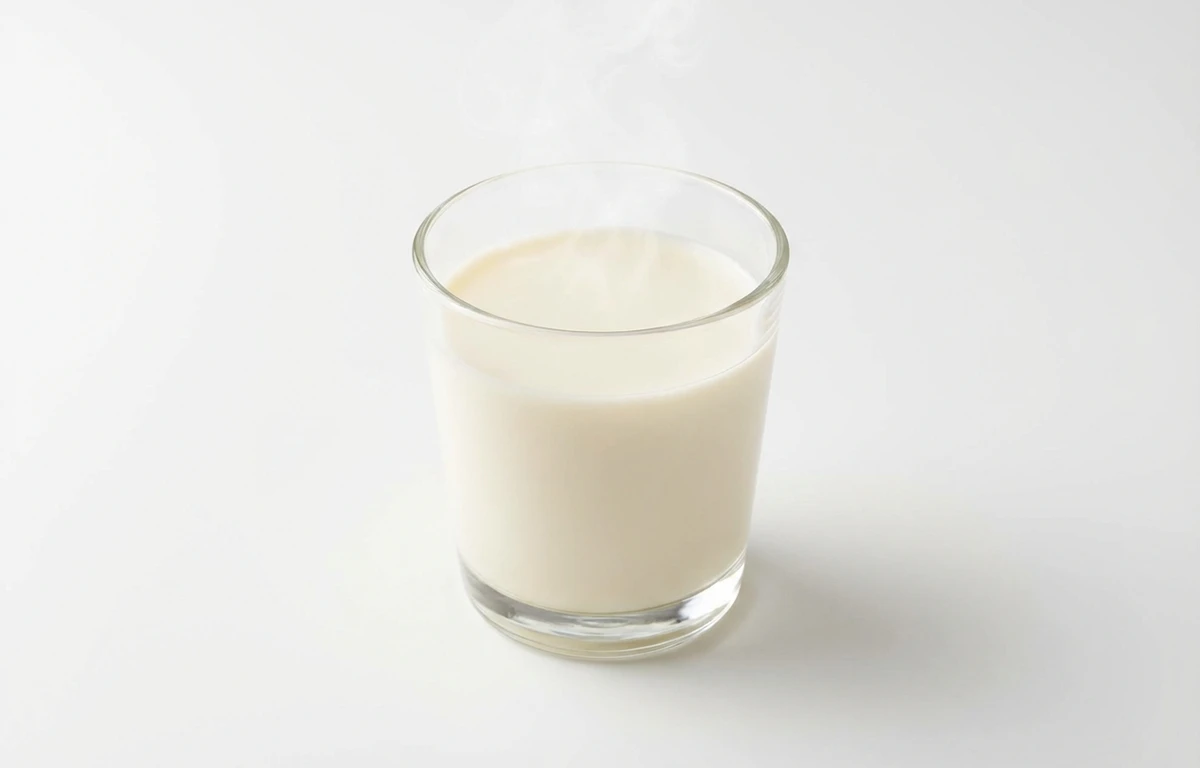
warm milk.
VegetarianVeganGluten-freeDairy-freeNut-freePeanut-freeSoy-freeEgg-freeShellfish-freeHoney-freeAlcohol-free
ALSO KNOWN AS
lukewarm milk
SERVING
CALORIES
61
PROTEIN
3.3g
CARBS
4.6g
FAT
3.3g
FIBER
0g
NUTRITION PROFILE · per 100 g
Everything in this ingredient.
MACRONUTRIENTS
Calories61kcal—
Protein3.3g7%
Carbohydrates4.6g2%
Fiber0g0%
Sugar4.6g9%
Total fat3.3g4%
Saturated fat1.9g9%
Cholesterol10mg3%
MINERALS
Sodium44mg2%
Potassium150mg3%
Calcium113mg9%
Iron0.03mg0%
Magnesium10mg2%
Phosphorus103mg8%
Zinc0.37mg3%
Copper0.01mg1%
Manganese0mg0%
Selenium3.7µg7%
VITAMINS
Vitamin A28µg3%
Vitamin C1.1mg1%
Vitamin D1.2µg6%
Vitamin E0.08mg1%
Vitamin K0.30µg0%
Thiamin (B1)0.04mg3%
Riboflavin (B2)0.18mg14%
Niacin (B3)0.10mg1%
Pantothenic acid (B5)0.41mg8%
Vitamin B60.04mg2%
Folate (B9)5.0µg1%
Vitamin B120.45µg19%
%DV based on a 2,000 cal diet. Source: USDA FoodData Central. A dash in the %DV column means there’s no established Daily Value for that nutrient.
MEASUREMENT CONVERSIONS
How much is what.
1 cup243.7g
1 tablespoon15g
1 teaspoon5.1g
1 ml1g
1 liter1014.7g
HEALTH BENEFITS
Why eat it.
- ✓Promotes relaxation and may aid sleep due to the presence of tryptophan and melatonin.
- ✓Excellent source of calcium and often fortified with Vitamin D, which are crucial for building and maintaining strong bones and teeth.
- ✓Provides high-quality complete protein (casein and whey) essential for muscle repair, growth, and overall body function.
- ✓A good source of key nutrients like potassium for blood pressure regulation, vitamin B12 for nerve function, and phosphorus for energy metabolism.
COOKING TIPS
In the kitchen.
- 1Heat milk slowly over low-to-medium heat, stirring frequently to prevent it from scorching at the bottom of the pan.
- 2To prevent a skin from forming on top, heat the milk with a lid on, or float a small piece of butter on the surface.
- 3When adding warm milk to acidic ingredients (like coffee or tomato soup), temper it by slowly whisking a small amount of the hot liquid into the milk before combining the two. This helps prevent curdling.
- 4Warming milk before adding it to doughs helps to activate yeast more effectively, resulting in a better rise for breads and rolls.
STORAGE
Keep it fresh.
- Warm milk should be consumed immediately. Do not let it sit at room temperature for more than two hours to prevent bacterial growth.
- If you have leftover warm milk, cool it down rapidly and store it in a sealed container in the refrigerator for no more than 24 hours. Reheat gently only once.
FAQ
Frequently asked questions.
Does drinking warm milk really help you sleep?
Yes, warm milk contains tryptophan and melatonin, which are compounds known to promote relaxation and regulate sleep cycles. The soothing warmth also provides a psychological comfort that can help the body wind down before bed.
What are the primary health benefits of warm milk?
Warm milk is an excellent source of calcium and Vitamin D for bone health, and it provides high-quality protein for muscle repair. It also contains essential nutrients like Vitamin B12 for nerve function and potassium for blood pressure regulation.
How many calories and protein are in warm milk?
Per 100g, warm milk contains approximately 61 calories and 3.27g of protein. A standard 240ml (8 oz) cup provides about 146 calories and nearly 8 grams of complete protein, including both casein and whey.
Is warm milk suitable for people with lactose intolerance?
Standard warm milk contains lactose and may cause digestive discomfort for those with an intolerance. However, you can substitute it with lactose-free dairy milk or plant-based alternatives like soy or almond milk to enjoy a similar warm beverage.
Is warm milk keto-friendly?
With 4.63g of carbohydrates per 100g, warm milk can be difficult to fit into a strict ketogenic diet if consumed in large quantities. Those on keto often prefer using heavy cream or unsweetened nut milks which have lower carb counts.
What is the best way to warm milk without scorching it?
Heat the milk slowly over low-to-medium heat on the stovetop while stirring constantly to prevent a skin from forming or the bottom from burning. If using a microwave, heat in 30-second intervals and stir between each to ensure even temperature.
Does heating milk destroy its nutritional value?
Gentle warming does not significantly change the nutritional profile of milk. While boiling can slightly reduce the levels of heat-sensitive vitamins like B12 and thiamine, the protein, calcium, and mineral content remain stable.
How long can warm milk safely sit out?
Warm milk should not be left at room temperature for more than two hours. Because warmth encourages bacterial growth, it is important to consume it promptly or refrigerate it to prevent spoilage.
Can you reheat milk that has already been warmed?
You can reheat milk once, but repeated heating cycles can negatively affect the taste and texture. Ensure the milk was properly refrigerated between uses and discard it if it develops an off-smell or sour taste.
Is warm milk good for weight loss?
Warm milk can support weight loss by increasing satiety and preventing late-night hunger due to its protein and fat content. However, because it contains 61 calories per 100g, it should be consumed in moderation as part of a balanced calorie plan.
RECIPES
Cook with warm milk.
7 recipes · sorted by what’s quick