Other10 recipes
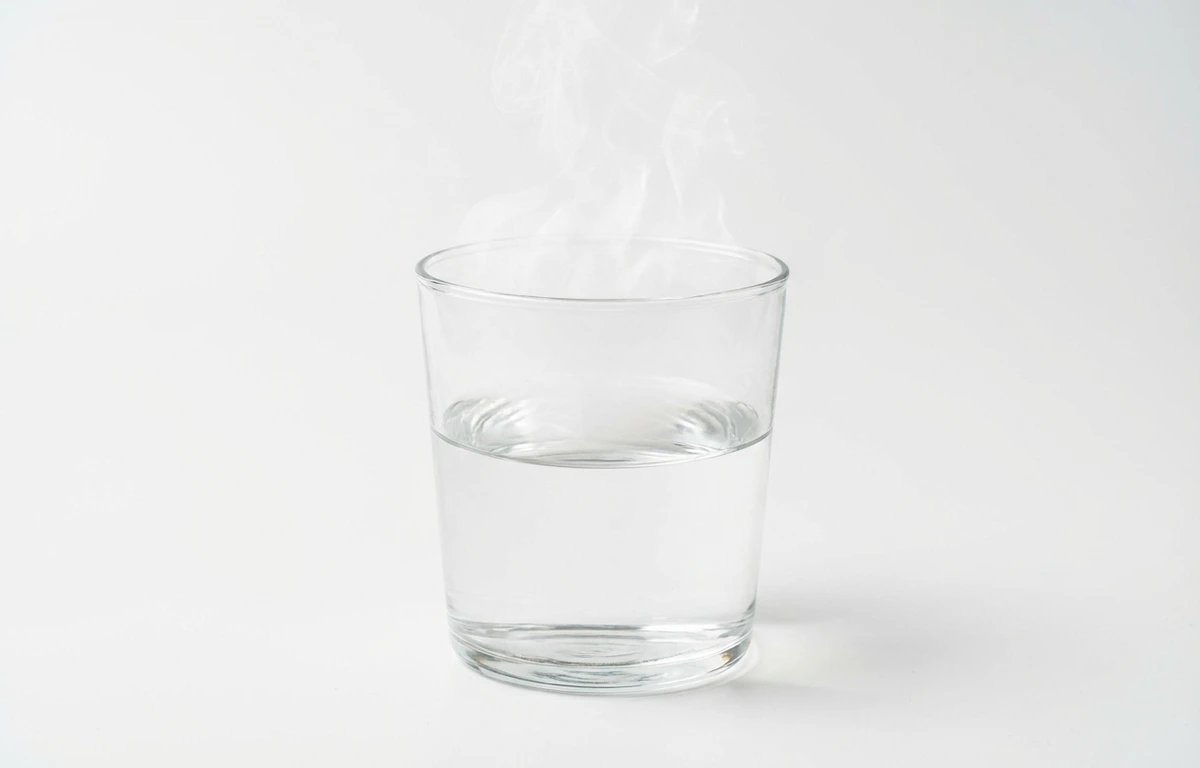
warm water.
VegetarianVeganGluten-freeDairy-freeNut-freePeanut-freeSoy-freeEgg-freeShellfish-freeHoney-freeAlcohol-freeHalalKosher
ALSO KNOWN AS
warm H2Oheated water
SERVING
CALORIES
0
PROTEIN
0g
CARBS
0g
FAT
0g
FIBER
0g
NUTRITION PROFILE · per 100 g
Everything in this ingredient.
MACRONUTRIENTS
Calories0kcal—
Protein0g0%
Carbohydrates0g0%
Fiber0g0%
Sugar0g0%
Total fat0g0%
Saturated fat0g0%
Trans fat0g—
Cholesterol0mg0%
Water100g—
MINERALS
Sodium1.0mg0%
Potassium0mg0%
Calcium1.0mg0%
Iron0mg0%
Magnesium1.0mg0%
Phosphorus0mg0%
Zinc0mg0%
Copper0mg0%
Manganese0mg0%
Selenium0µg0%
VITAMINS
Vitamin A0µg0%
Vitamin C0mg0%
Vitamin D0µg0%
Vitamin E0mg0%
Vitamin K0µg0%
Thiamin (B1)0mg0%
Riboflavin (B2)0mg0%
Niacin (B3)0mg0%
Pantothenic acid (B5)0mg0%
Vitamin B60mg0%
Folate (B9)0µg0%
Vitamin B120µg0%
%DV based on a 2,000 cal diet. Source: USDA FoodData Central. A dash in the %DV column means there’s no established Daily Value for that nutrient.
MEASUREMENT CONVERSIONS
How much is what.
1 cup237g
1 tablespoon15g
1 teaspoon5g
1 oz28.4g
1 lb453.6g
1 ml1g
1 liter1000g
HEALTH BENEFITS
Why eat it.
- ✓Aids in digestion and metabolic function
- ✓Helps in body detoxification
- ✓Improves blood circulation
- ✓Can help relieve nasal congestion
- ✓Promotes optimal hydration
COOKING TIPS
In the kitchen.
- 1Ideal for activating dry yeast (typically 100°F to 110°F)
- 2Use for deglazing pans to avoid thermal shock to the cookware
- 3Helps dissolve honey, sugar, or salt more efficiently than cold water
STORAGE
Keep it fresh.
- Keep in a clean, insulated thermos to maintain temperature
- Store in food-grade glass or stainless steel containers
- Avoid storing in low-quality plastic when heated
FAQ
Frequently asked questions.
What is the ideal temperature for 'warm' water in baking?
For yeast activation, warm water should be between 100°F and 110°F (38°C-43°C). If it is too hot, it will kill the yeast.
How long does warm water stay warm?
In a standard ceramic mug, it loses heat within 10-15 minutes; in a high-quality vacuum-insulated flask, it can stay warm for 6-12 hours.
Can I use hot tap water for cooking?
It is generally safer to heat cold tap water on the stove or in a kettle, as hot tap water can contain more dissolved minerals or lead from plumbing.
Does warm water have more calories than cold water?
No, water has zero calories regardless of its temperature.
What can I use as a substitute for warm water?
Depending on the recipe, you can use warm milk, warm broth, or a mix of room temperature water and a small amount of boiling water.
Is drinking warm water better for health?
Many health traditions suggest warm water aids digestion and circulation more effectively than ice-cold water.
How do I quickly get warm water without a thermometer?
A common test is the 'wrist test'; the water should feel comfortably warm, like bath water, but not stinging or hot.
Can I freeze warm water?
Yes, though it will lose its heat and eventually turn to ice. Interestingly, the Mpemba effect suggests warm water can sometimes freeze faster than cold water.
Why does my recipe specify warm water for dough?
Warm water hydrates flour particles faster and provides the necessary warmth for yeast to produce carbon dioxide, making the dough rise.
RECIPES
Cook with warm water.
10 recipes · sorted by what’s quick