Other7 recipes
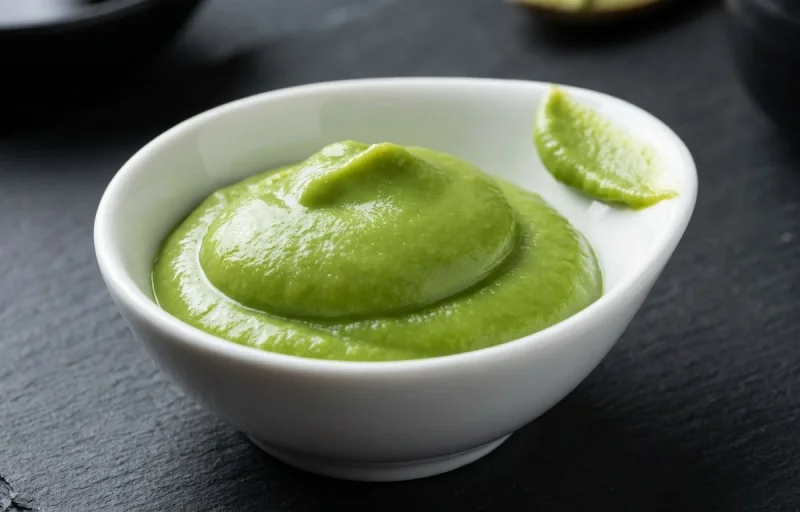
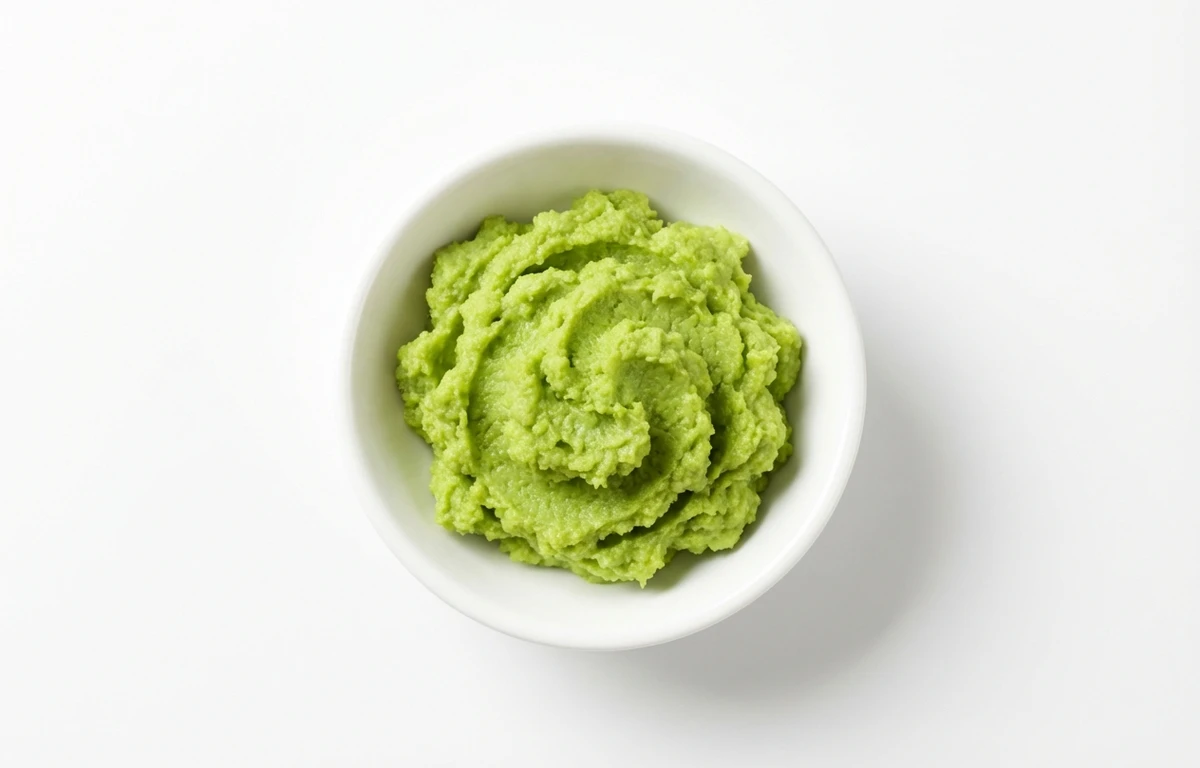
wasabi paste.
VegetarianVeganGluten-freeDairy-freeNut-freePeanut-freeSoy-freeEgg-freeShellfish-freeHoney-freeAlcohol-free
ALSO KNOWN AS
wasabiJapanese horseradishWasabia japonicaEutrema japonicum
SERVING
CALORIES
292
PROTEIN
2.2g
CARBS
46.1g
FAT
10.9g
FIBER
6.1g
Per 100 g, it provides 3.5 µg of vitamin K.
NUTRITION PROFILE · per 100 g
Everything in this ingredient.
MACRONUTRIENTS
Calories292kcal—
Protein2.2g4%
Carbohydrates46.1g17%
Fiber6.1g22%
Sugar13.2g26%
Total fat10.9g14%
Saturated fat2.0g10%
Trans fat0.04g—
Cholesterol0mg0%
Water31.7g—
MINERALS
Sodium3390mg147%
Potassium182mg4%
Calcium41mg3%
Iron0.50mg3%
Magnesium21mg5%
Phosphorus26mg2%
Zinc0.61mg6%
Copper0.06mg7%
Manganese0.14mg6%
Selenium2.2µg4%
VITAMINS
Vitamin A0µg0%
Vitamin C0mg0%
Vitamin D0µg0%
Vitamin E3.9mg26%
Vitamin K3.5µg3%
Thiamin (B1)0.05mg4%
Riboflavin (B2)0.07mg5%
Niacin (B3)0.16mg1%
Pantothenic acid (B5)0mg0%
Vitamin B60.05mg3%
Folate (B9)10µg3%
Vitamin B120µg0%
%DV based on a 2,000 cal diet. Source: USDA FoodData Central. A dash in the %DV column means there’s no established Daily Value for that nutrient.
MEASUREMENT CONVERSIONS
How much is what.
1 cup320g
1 tablespoon20g
1 teaspoon6.5g
1 ml1.3g
1 liter1333.3g
1 piece50g
HEALTH BENEFITS
Why eat it.
- ✓Possesses antimicrobial properties from isothiocyanates, which may help inhibit the growth of certain bacteria, historically complementing raw fish.
- ✓The pungent vapor acts as a natural decongestant, helping to clear sinuses and nasal passages.
COOKING TIPS
In the kitchen.
- 1Use sparingly; the heat is intense and immediate. It's easier to add more than to correct an overpowering amount.
- 2For a classic dipping sauce, mix a small amount of paste directly into soy sauce until dissolved.
- 3Avoid exposing wasabi paste to high heat, as it destroys the volatile compounds responsible for its signature pungent flavor. Add it to dishes at the end of cooking or serve it cold.
- 4Incorporate into mayonnaise, yogurt, or cream cheese to create a spicy aioli, dip, or spread for sandwiches and appetizers.
STORAGE
Keep it fresh.
- Store unopened tubes or jars in a cool, dark place such as a pantry.
- After opening, always refrigerate with the cap tightly sealed to prevent it from drying out and losing its potency. It can last for several months.
FAQ
Frequently asked questions.
How many calories and carbs are in wasabi paste?
Per 100g, wasabi paste contains approximately 292 calories and 46.13g of carbohydrates. However, because it is typically consumed in very small servings (about 5g), the caloric and carb impact on a single meal is minimal.
Is wasabi paste keto-friendly?
Yes, wasabi paste is generally considered keto-friendly. Although it has 46.13g of carbs per 100g, a standard serving size is so small (usually less than a teaspoon) that it contributes negligible net carbs to your daily total.
What does wasabi paste taste like?
Wasabi has a sharp, pungent, and spicy flavor that creates a signature 'nasal burn' rather than the lingering tongue heat of chili peppers. This intense heat is short-lived and often followed by a slightly sweet, vegetal finish.
What is the difference between real wasabi and imitation paste?
Authentic wasabi is made from the grated rhizome of the Wasabia japonica plant and is quite expensive. Most commercial pastes are 'imitation' versions made from a blend of horseradish, mustard flour, and green food coloring to mimic the flavor.
How long does wasabi paste last?
Unopened tubes can last until the expiration date on the package, usually a year or more. Once opened, it is best used within 6 to 12 months, as it will gradually lose its spicy potency and flavor over time.
Can I use wasabi paste for anything other than sushi?
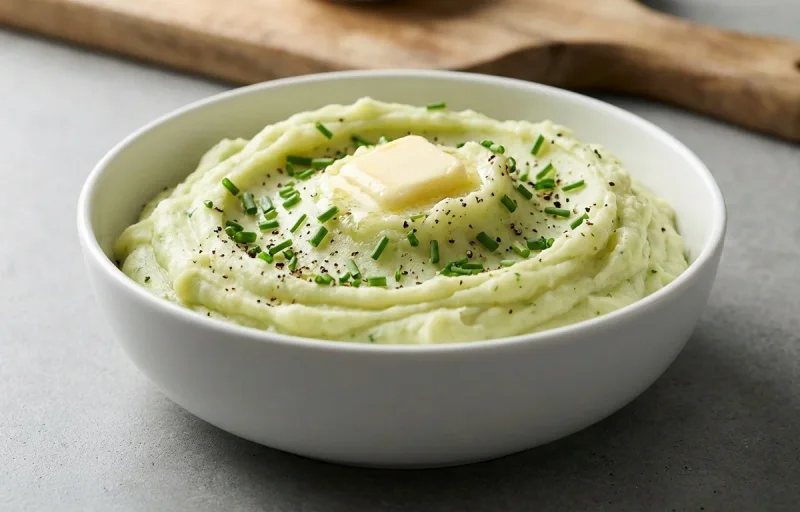
Absolutely. Wasabi paste is excellent when whisked into salad dressings, mixed with mayonnaise for sandwiches, or stirred into mashed potatoes. It also pairs well with grilled meats and can be used to add a kick to seafood marinades.
RECIPES
Cook with wasabi paste.
7 recipes · sorted by what’s quick