
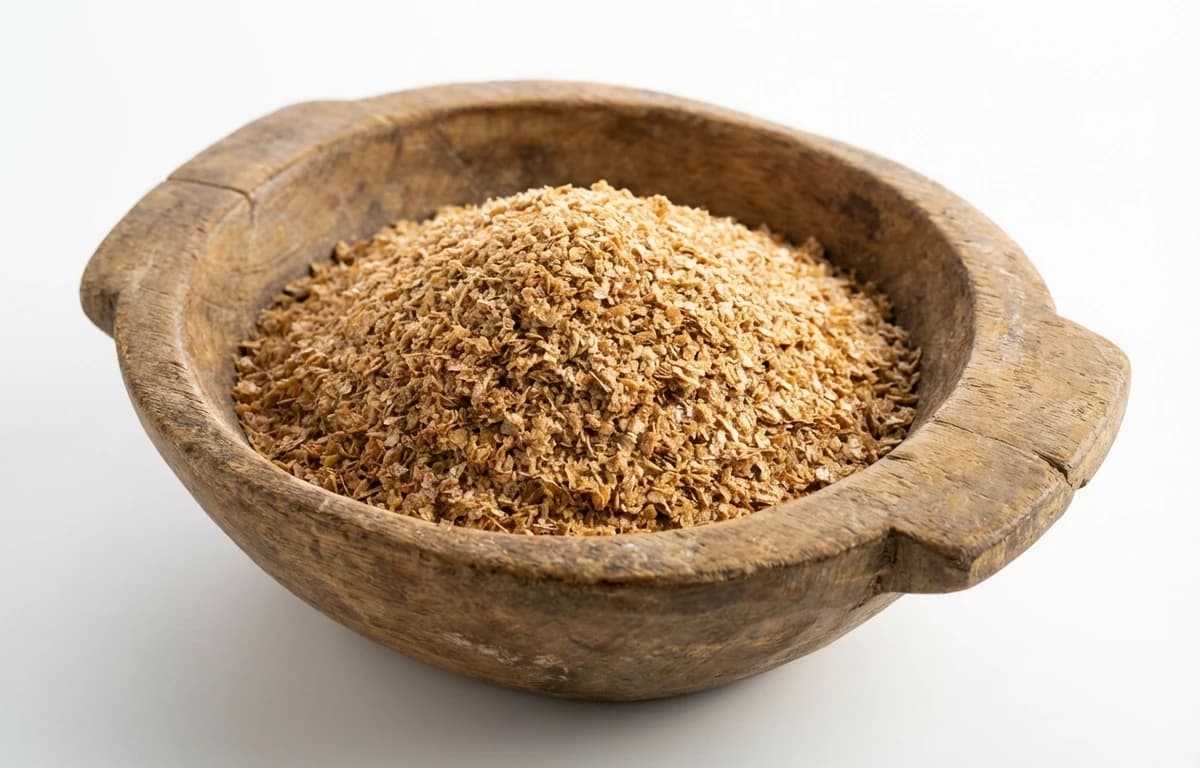
Loading...
Also known as: bran, wheat husk, wheat bran, crude wheat bran
Per 100g
Nutrition data source: USDA FoodData Central
Common measurement equivalents in grams
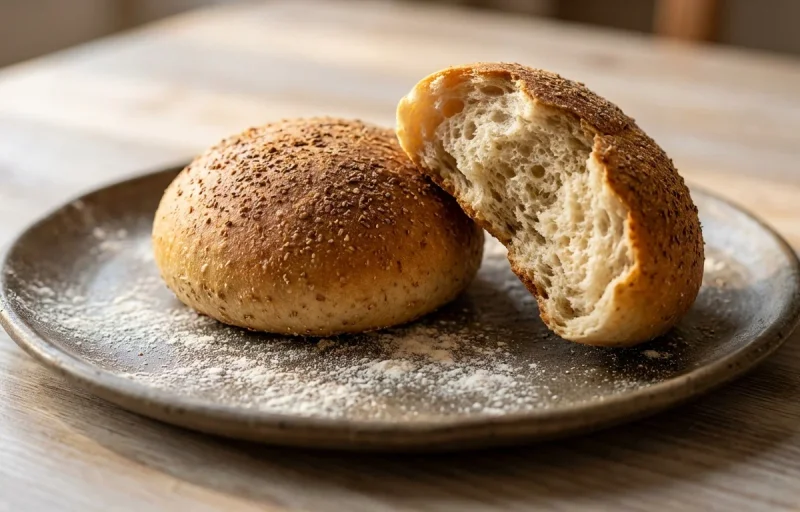
A classic Goan leavened bread with a soft, hollow center and a rustic wheat bran coating. This slightly sweet, whole wheat bread is perfect for mopping up curries or making sandwiches.
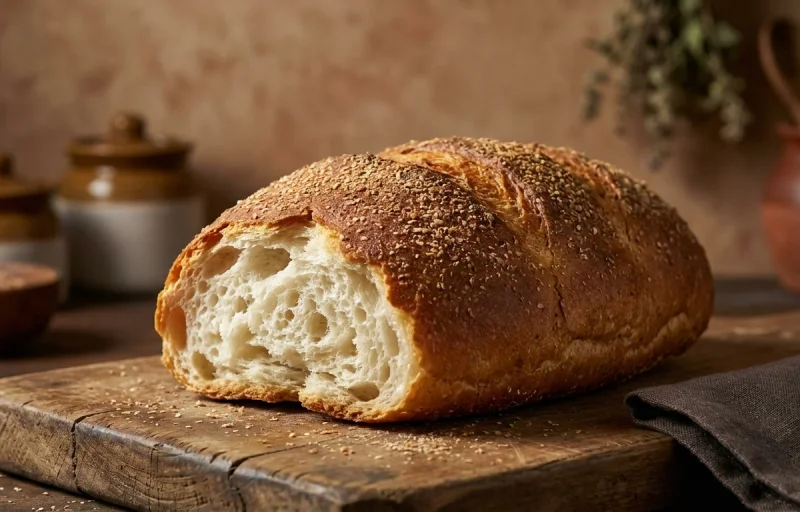
Experience the authentic taste of Goa with Pauruti, a traditional Goan bread. Known for its soft, airy interior and a distinct, rustic crust dusted with wheat bran, this bread is the perfect companion for sopping up rich Goan curries like Vindaloo or Sorpotel. Simple to bake at home, it brings the warmth of a Goan bakery right to your kitchen.
Yes, wheat bran is highly nutritious, offering 14.5g of protein and 216 calories per 100g. It is an exceptional source of insoluble fiber for digestive health and provides essential minerals like manganese, magnesium, and selenium for bone and antioxidant support.
Wheat bran is extremely high in insoluble dietary fiber, which adds bulk to the stool and promotes regular bowel movements. This helps prevent constipation and maintains a healthy digestive tract by speeding up the passage of waste.
No, wheat bran is not gluten-free. As it is the outer layer of the wheat kernel, it contains gluten proteins and is unsuitable for individuals with celiac disease or non-celiac gluten sensitivity.
Wheat bran is generally not considered keto-friendly because it contains approximately 64.5g of carbohydrates per 100g. While it is high in fiber, the net carb count is usually too high for a strict ketogenic diet unless used in very small quantities.
Wheat bran is most commonly used as an additive in baking, such as in muffins, breads, and pancakes, to increase fiber content. It can also be sprinkled over yogurt, mixed into smoothies, or stirred into hot cereals like oatmeal.
Wheat bran has a mild, nutty, and slightly sweet flavor. Its texture is flaky and dry, which is why it is typically incorporated into other dishes or liquids rather than eaten entirely on its own.
Yes, wheat bran can aid weight loss because its high fiber content promotes satiety, helping you feel full for longer. Additionally, it helps manage blood sugar levels by slowing carbohydrate digestion, which can reduce cravings.
wheat bran is a versatile ingredient found in cuisines around the world. With 354.16 calories per 100g and 14.5 grams of protein, it's a nutritious addition to many dishes.
Explore more ingredients in the grain category with complete nutrition information.
View all grain →Explore more ingredients similar to wheat bran.
The most-searched ingredients on CraftMyMeals.
Because wheat bran contains natural oils that can go rancid, it should be stored in an airtight container. While it can stay in a cool, dark pantry for a short time, storing it in the refrigerator or freezer will significantly extend its shelf life.
Yes, wheat bran can be eaten raw by sprinkling it on top of smoothies, yogurt, or cold cereal. However, many people find it more enjoyable when cooked into recipes, as heat softens its somewhat coarse texture.
Wheat bran may help lower the risk of heart disease by binding to cholesterol in the digestive system. This process prevents some cholesterol from being absorbed into the bloodstream, supporting overall cardiovascular health.