

Loading...
Also known as: Green Gram (Whole), mung bean, moong bean, green gram, whole green gram, mung beans
Per 100g
Nutrition data source: USDA FoodData Central
Common measurement equivalents in grams
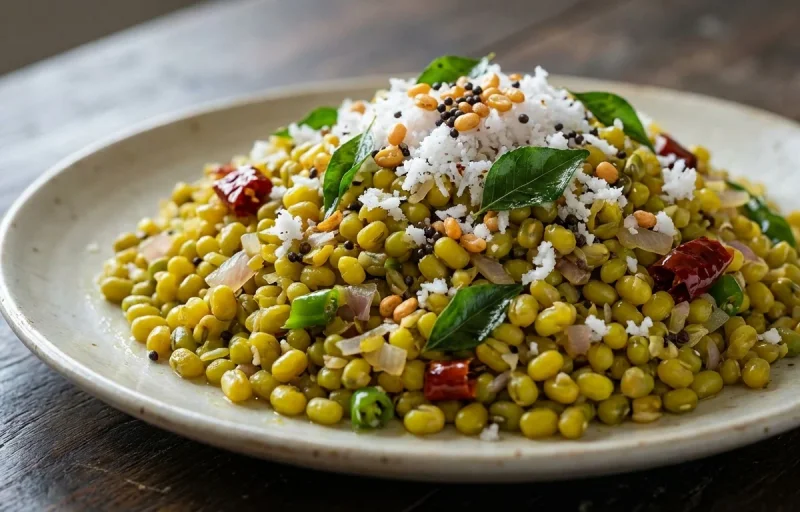
A simple and nutritious Keralan stir-fry made with whole green gram and freshly grated coconut. This wholesome side dish comes together quickly and pairs perfectly with steamed rice and sambar for a comforting South Indian meal.
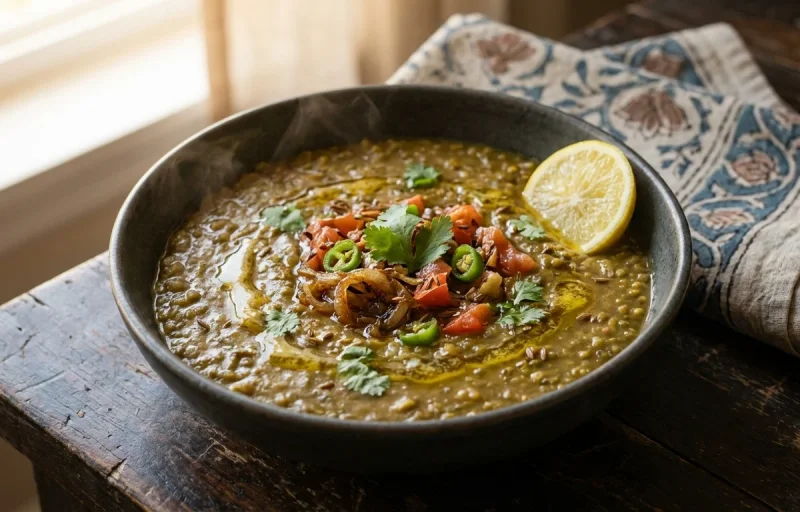
A wholesome and comforting North Indian curry made with whole green gram lentils. This protein-packed dal is simply spiced and pairs perfectly with hot rotis or steamed rice for a nourishing everyday meal.
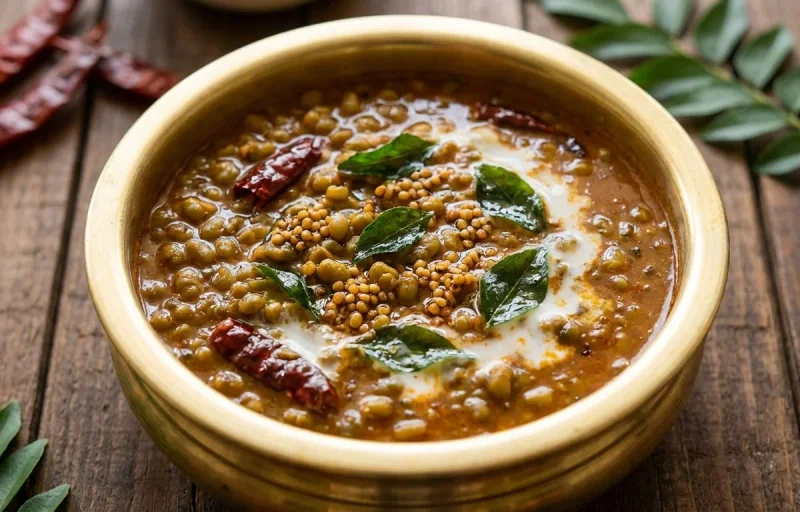
A creamy, tangy coconut curry made with whole green gram, a classic from Mangalorean cuisine. It's hearty, flavorful, and pairs perfectly with steamed rice or neer dosa.
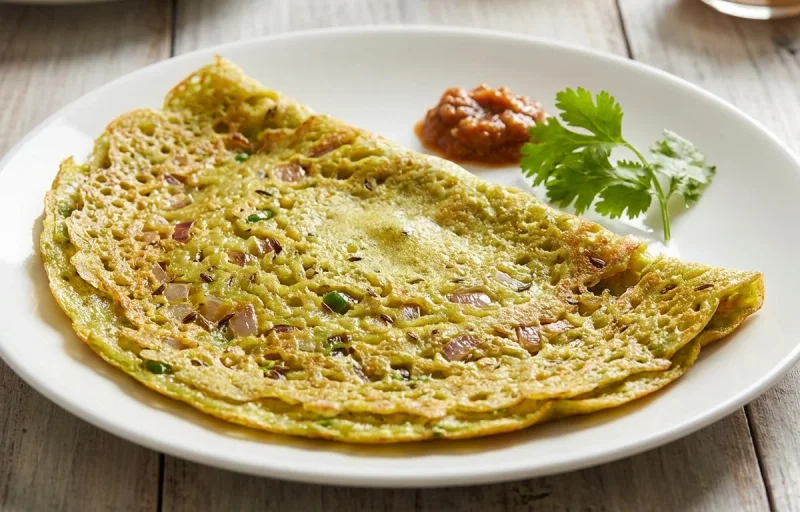
A crispy and savory crepe from Andhra Pradesh, made with whole green gram lentils. This protein-packed breakfast is naturally gluten-free and is often filled with finely chopped onions and green chilies. It's traditionally served with a spicy ginger chutney (Allam Pachadi).
Yes, whole green gram is highly nutritious, offering a rich source of plant-based protein, fiber, and essential minerals like magnesium and folate. Its high antioxidant content, including vitexin and isovitexin, helps protect cells from oxidative stress and supports overall heart health.
Whole green gram is an excellent protein source, providing approximately 23.86g of protein per 100g of dry beans. This makes it a staple for vegetarians and vegans looking to meet their daily protein requirements for muscle maintenance and repair.
Yes, it is very effective for weight management due to its high fiber and protein content. These nutrients promote a feeling of fullness and satiety, which can help reduce overall calorie intake by preventing overeating.
Yes, whole green gram is naturally gluten-free. It is a safe and nutritious carbohydrate and protein source for individuals with celiac disease or non-celiac gluten sensitivities.
Whole green gram is beneficial for diabetics because it has a low glycemic index and is high in fiber. This combination helps regulate blood sugar levels and prevents rapid glucose spikes after meals.
While not strictly necessary, soaking whole green gram for 4-6 hours reduces cooking time and improves digestibility. Soaking also helps neutralize phytic acid, which increases the bioavailability of its minerals like iron and zinc.
Rinse the beans and boil them in a 1:3 ratio of beans to water. They typically take 30-45 minutes to soften on a stovetop, or about 10-15 minutes in a pressure cooker. They should be tender but not mushy.
whole green gram is a versatile ingredient found in cuisines around the world. With 347 calories per 100g and 23.86 grams of protein, it's a nutritious addition to many dishes.
Explore more ingredients in the legume category with complete nutrition information.
View all legume →Discover 9 recipes featuring whole green gram with step-by-step instructions.
Browse recipes →Explore more ingredients similar to whole green gram.
The most-searched ingredients on CraftMyMeals.
It is not recommended to eat dry whole green gram raw as it is very hard and contains anti-nutrients. However, you can eat them raw once they have been sprouted, which makes them crunchy, easier to digest, and higher in Vitamin C.
Store dry whole green gram in an airtight container in a cool, dry, and dark place like a pantry. When kept away from moisture and heat, it can remain fresh and nutritionally potent for up to one year.
Whole green gram has a mild, earthy, and slightly sweet flavor. Its neutral profile allows it to absorb the flavors of spices and seasonings easily, making it versatile for both savory dals and sweet desserts.