
Loading...
Per 100g
Nutrition data source: USDA FoodData Central
Common measurement equivalents in grams
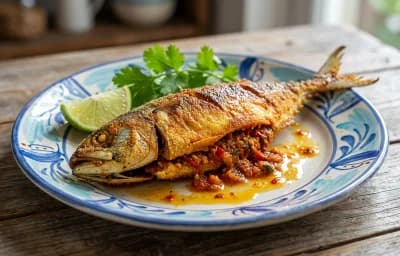
A classic Goan delicacy featuring whole mackerel stuffed with a fiery, tangy recheado masala paste. The fish is coated in semolina and shallow-fried to crispy perfection, a true taste of coastal India.
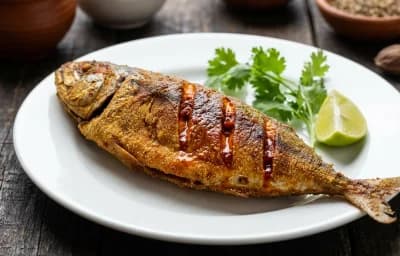
A quintessential Goan delicacy featuring whole mackerel stuffed with a fiery, tangy red 'recheado' masala. Pan-fried to perfection for a crispy skin and succulent flesh, it's a burst of coastal flavors.
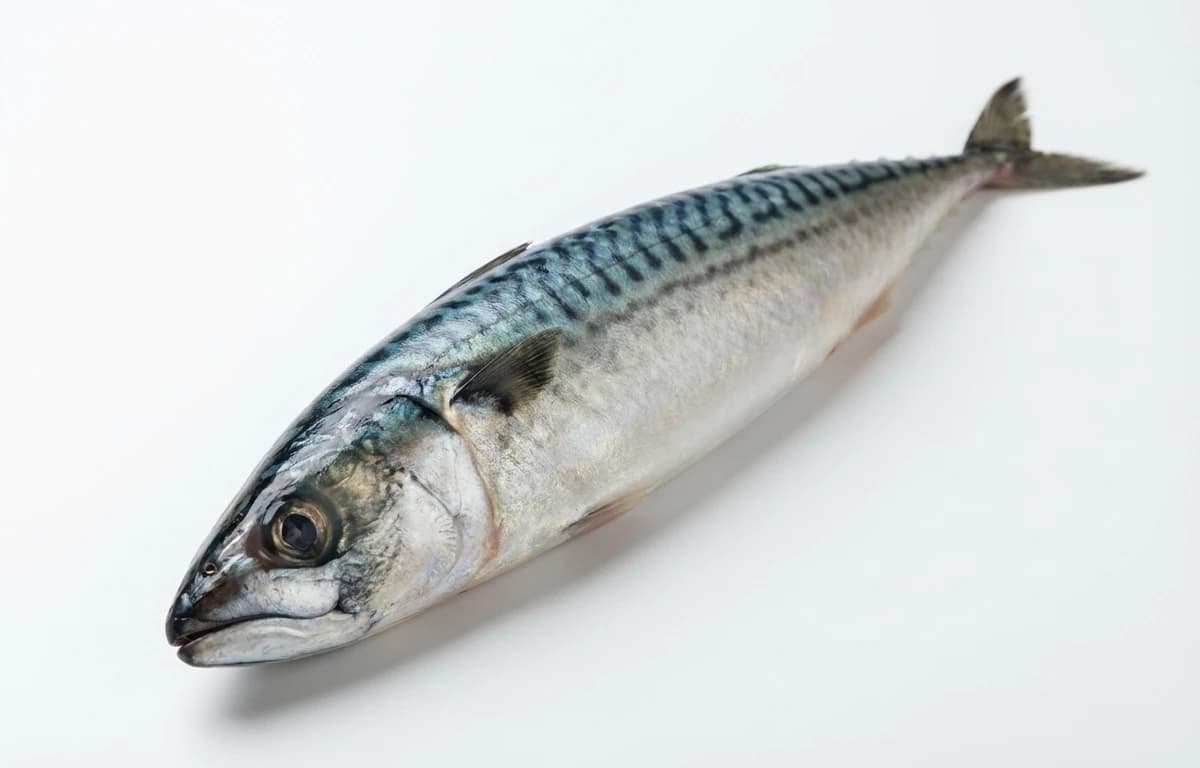
Look for bright, clear, bulging eyes, shiny skin with intact scales, and a fresh sea-like smell. The gills should be bright red.
Atlantic mackerel is generally low in mercury and safe for frequent consumption, unlike King mackerel which has higher levels.
Mackerel has very small, thin scales that are often removed during handling, but a light scraping with a knife is recommended before cooking.
Grilling, roasting, or pan-frying are best as they complement the fish's natural oils and produce crispy skin.
Yes, mackerel skin is edible, nutritious, and becomes delicious and crispy when grilled or fried.
Sardines, herring, or bluefish are the best substitutes due to their similar oily texture and strong flavor profile.
Rinse under cold water, remove the guts by slicing the belly, and trim the fins if desired. You can cook it head-on or off.
Yes, it is high in protein and healthy fats which promote satiety, though it is more calorie-dense than white fish like cod.
Whole Mackerel is a versatile ingredient found in cuisines around the world. With 205 calories per 100g and 18.6 grams of protein, it's a nutritious addition to many dishes.
Explore more ingredients in the seafood category with complete nutrition information.
View all seafood →Discover 1 recipes featuring whole mackerel with step-by-step instructions.
Browse recipes →