Other
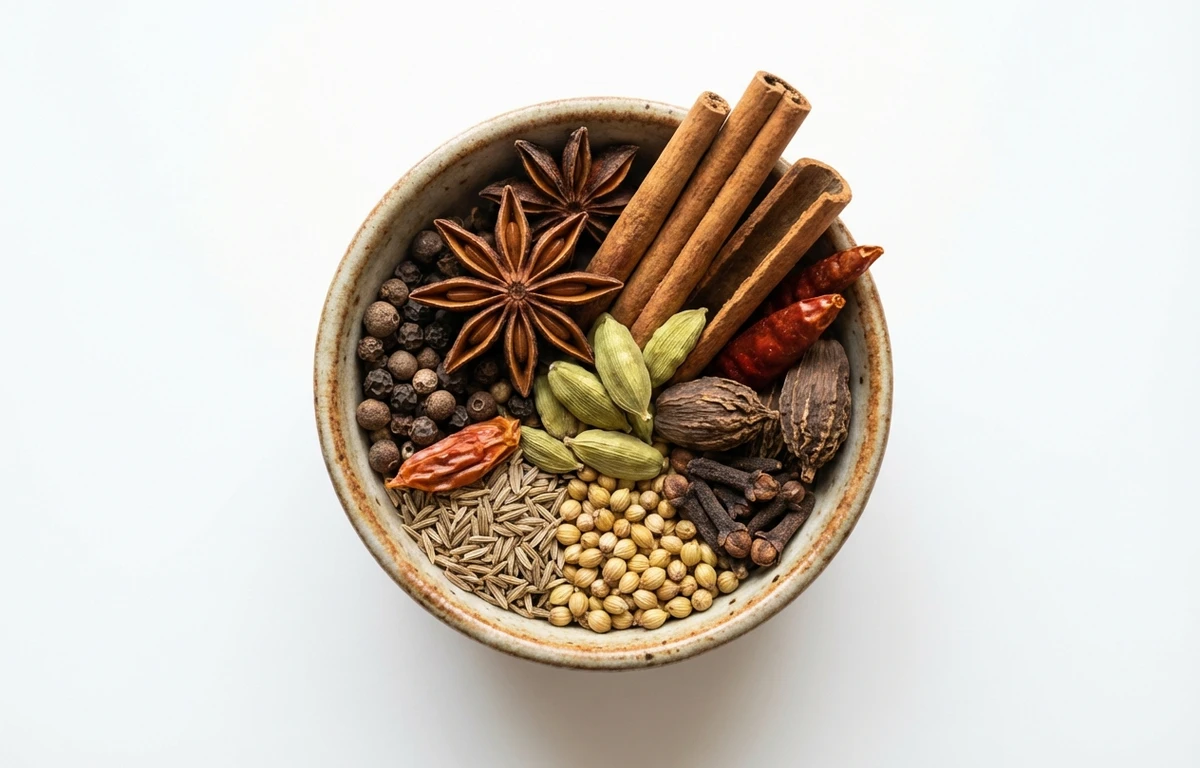
whole spices.
VegetarianVeganGluten-freeDairy-freeNut-freePeanut-freeSoy-freeEgg-freeShellfish-freeHoney-freeAlcohol-free
ALSO KNOWN AS
aromatic spiceswhole spices for ricekhade masale
SERVING
CALORIES
350
PROTEIN
12.5g
CARBS
52g
FAT
16g
FIBER
32g
This ingredient is flagged as naturally gluten-free. Per 100 g, it provides 45 µg of vitamin K.
NUTRITION PROFILE · per 100 g
Everything in this ingredient.
MACRONUTRIENTS
Calories350kcal—
Protein12.5g25%
Carbohydrates52g19%
Fiber32g114%
Sugar2.1g4%
Total fat16g21%
Saturated fat1.8g9%
Trans fat0g—
Cholesterol0mg0%
Water8.5g—
MINERALS
Sodium65mg3%
Potassium1350mg29%
Calcium850mg65%
Iron35mg194%
Magnesium280mg67%
Phosphorus320mg26%
Zinc4.5mg41%
Copper0.90mg100%
Manganese5.2mg226%
Selenium6.0µg11%
VITAMINS
Vitamin A45µg5%
Vitamin C12mg13%
Vitamin D0µg0%
Vitamin E2.5mg17%
Vitamin K45µg38%
Thiamin (B1)0.35mg29%
Riboflavin (B2)0.32mg25%
Niacin (B3)3.2mg20%
Pantothenic acid (B5)0.60mg12%
Vitamin B60.55mg32%
Folate (B9)45µg11%
Vitamin B120µg0%
%DV based on a 2,000 cal diet. Source: USDA FoodData Central. A dash in the %DV column means there’s no established Daily Value for that nutrient.
MEASUREMENT CONVERSIONS
How much is what.
1 cup120g
1 tablespoon7.5g
1 teaspoon2.5g
1 oz28.4g
1 lb453.6g
1 ml0.5g
1 liter500g
1 piece50g
HEALTH BENEFITS
Why eat it.
- ✓Can aid digestion by stimulating the secretion of digestive enzymes; examples include fennel, cumin, and coriander seeds.
COOKING TIPS
In the kitchen.
- 1Toast whole spices in a dry pan over medium heat for 1-2 minutes until fragrant before grinding or using. This process, known as blooming, awakens and intensifies their aromatic compounds.
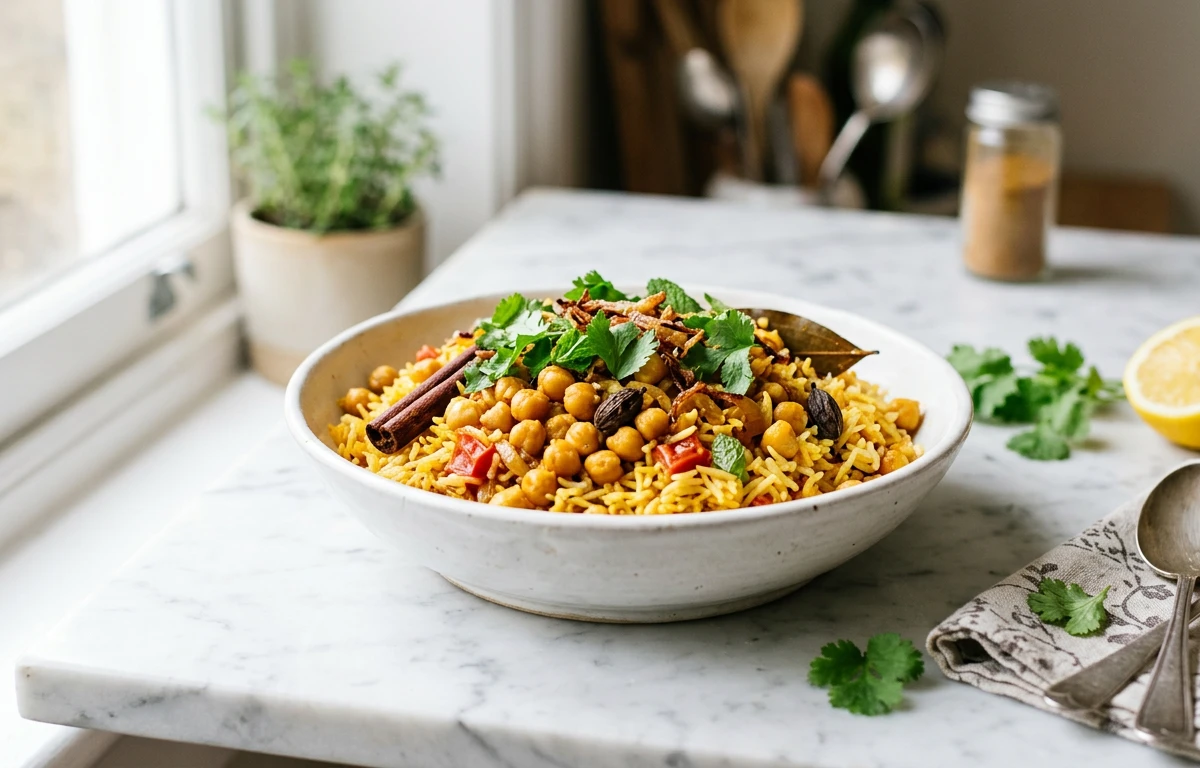
- 2Use whole spices in slow-cooking methods like braises, stews, soups, and stocks. Place them in a cheesecloth sachet (bouquet garni) for easy removal before serving.
- 3Grind whole spices just before use with a spice grinder or mortar and pestle for the most vibrant and potent flavor.
- 4Infuse liquids like oils, vinegars, syrups, or milk by gently heating them with whole spices like cinnamon sticks, star anise, or cardamom pods.
STORAGE
Keep it fresh.
- Store in airtight glass or metal containers in a cool, dark, and dry place, such as a pantry or cupboard, to protect their volatile oils from heat, light, and moisture.
- Whole spices retain their flavor and potency for much longer than ground spices, typically lasting up to 2-4 years when stored properly.
FAQ
Frequently asked questions.
How many calories and carbs are in whole spices?
Per 100g, whole spices contain approximately 350 calories, 52g of carbohydrates, and 12.5g of protein. However, because they are used in such small amounts per serving, their actual caloric and carb contribution to a meal is minimal.
Can whole spices help with digestion?
Many whole spices, including fennel, cumin, and coriander seeds, are excellent for digestion. They work by stimulating the secretion of digestive enzymes, which can help reduce bloating and improve nutrient absorption.
Are whole spices vegan and gluten-free?
Yes, pure whole spices are naturally vegan and gluten-free as they are derived entirely from plants. They are an excellent way to add flavor to restricted diets without adding animal products or gluten-containing fillers.
Are whole spices keto-friendly?
Whole spices are keto-friendly because they are used in very small quantities. Even though they contain some carbohydrates, the amount consumed per dish is usually less than one gram, making them safe for low-carb lifestyles.
How do I use whole spices in cooking?
Whole spices are typically added to hot oil at the beginning of cooking to infuse the fat with flavor, or simmered in liquids like soups and stews. They are often removed before serving or used as a garnish.
Should I toast whole spices before using them?
Toasting whole spices in a dry pan over medium heat for 1-2 minutes is highly recommended. This process draws out the essential oils, making the spices significantly more aromatic and flavorful.
How long do whole spices last compared to ground spices?
Whole spices stay fresh much longer than ground spices, typically lasting 2 to 4 years. Because the surface area is smaller and the oils are protected inside the seed or bark, they retain their potency for a longer period.
How should I store whole spices to keep them fresh?
Store whole spices in airtight glass containers in a cool, dark place like a pantry. Keep them away from heat sources like the stove and avoid direct sunlight, as these factors can degrade their essential oils and flavor.
Can I substitute ground spices for whole spices?
Yes, you can substitute ground spices, but use a smaller amount; generally, 1 teaspoon of ground spice replaces 1 tablespoon of whole spice. Note that ground spices provide a more immediate, intense flavor but lack the subtle infusion of whole spices.
RECIPES
Cook with whole spices.
0 recipes · sorted by what’s quick