Other4 recipes
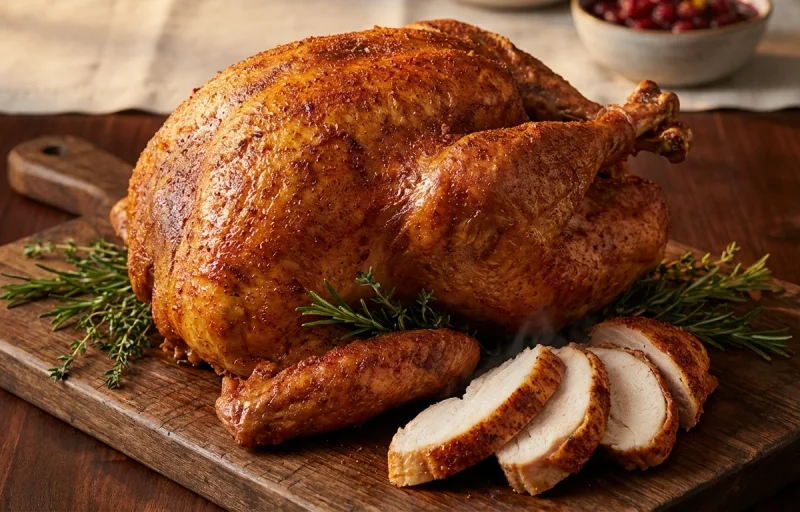
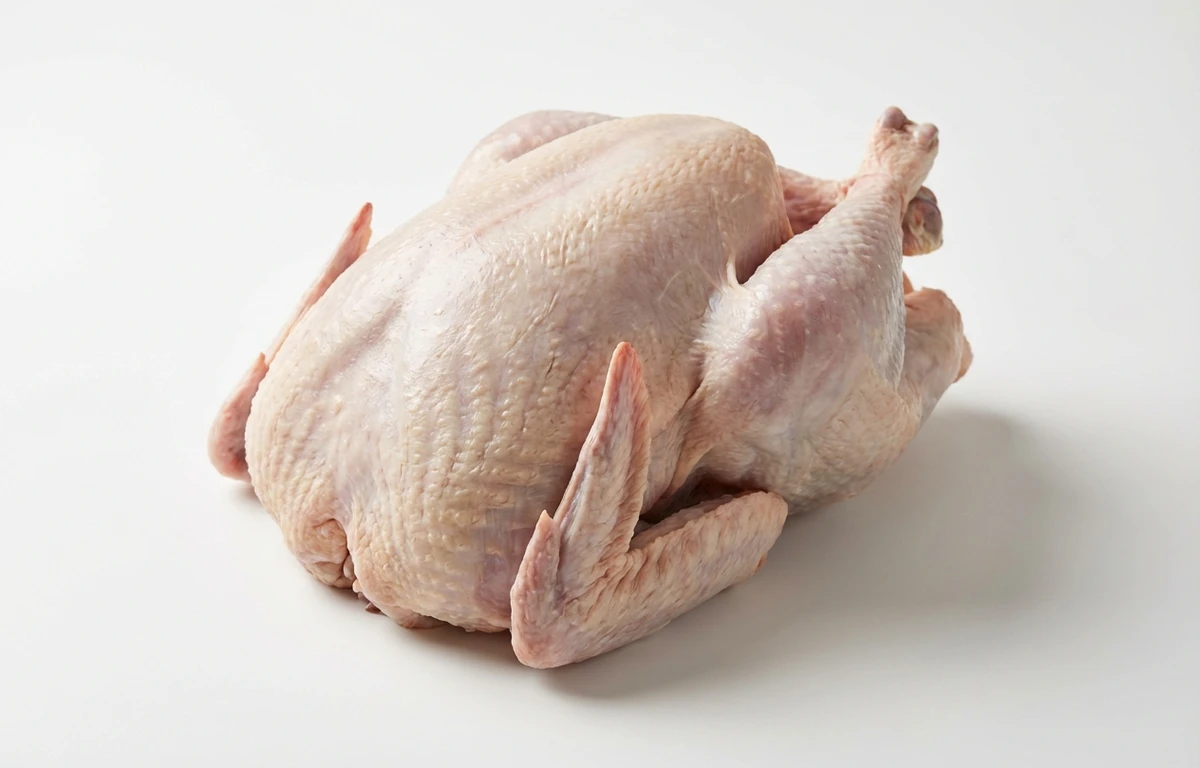
whole turkey.
VegetarianVeganGluten-freeDairy-freeNut-freePeanut-freeSoy-freeEgg-freeShellfish-freeHoney-freeAlcohol-free
SERVING
CALORIES
124
PROTEIN
18.2g
CARBS
0.07g
FAT
5.1g
FIBER
0g
This ingredient is flagged as naturally gluten-free. Per 100 g, it provides 0 µg of vitamin K.
NUTRITION PROFILE · per 100 g
Everything in this ingredient.
MACRONUTRIENTS
Calories124kcal—
Protein18.2g36%
Carbohydrates0.07g0%
Fiber0g0%
Sugar0g0%
Total fat5.1g7%
Saturated fat1.4g7%
Trans fat0.05g—
Cholesterol333mg111%
Water76g—
MINERALS
Sodium136mg6%
Potassium198mg4%
Calcium18mg1%
Iron5.9mg33%
Magnesium22mg5%
Phosphorus223mg18%
Zinc3.2mg29%
Copper0.58mg64%
Manganese0.19mg8%
Selenium49.3µg90%
VITAMINS
Vitamin A3939µg438%
Vitamin C0mg0%
Vitamin D0.80µg4%
Vitamin E0.25mg2%
Vitamin K0µg0%
Thiamin (B1)0.15mg13%
Riboflavin (B2)1.4mg107%
Niacin (B3)8.7mg54%
Pantothenic acid (B5)3.9mg78%
Vitamin B60.65mg38%
Folate (B9)331µg83%
Vitamin B1213.1µg544%
%DV based on a 2,000 cal diet. Source: USDA FoodData Central. A dash in the %DV column means there’s no established Daily Value for that nutrient.
MEASUREMENT CONVERSIONS
How much is what.
1 oz28.4g
1 lb453.6g
1 piece6800g
HEALTH BENEFITS
Why eat it.
- ✓Excellent source of high-quality, lean protein, essential for muscle building, repair, and overall body function.
- ✓Rich in B vitamins, particularly niacin (B3) and vitamin B6, which support energy metabolism, brain function, and red blood cell formation.
- ✓Contains tryptophan, an amino acid that is a precursor to serotonin and melatonin, which can help regulate mood and sleep.
COOKING TIPS
In the kitchen.
- 1For a moist and flavorful result, consider brining the turkey in a saltwater solution for 12-24 hours before cooking.
- 2Ensure the turkey is cooked thoroughly by using a meat thermometer. The internal temperature should reach 165°F (74°C) in the thickest part of the thigh, breast, and wing.
- 3After removing from the oven, let the turkey rest for at least 20-30 minutes before carving. This allows the juices to redistribute, resulting in more tender meat.
- 4For crispy skin, pat the turkey dry with paper towels before seasoning and roasting. You can also rub it with butter or oil.
STORAGE
Keep it fresh.
- Store a fresh, raw turkey in the coldest part of the refrigerator (40°F / 4°C or below) for 1-2 days. Keep it in its original wrapping on a tray to catch any drips.
- For long-term storage, a whole turkey can be kept frozen at 0°F (-18°C) for up to 12 months for best quality. Thaw safely in the refrigerator, allowing approximately 24 hours for every 4-5 pounds.
FAQ
Frequently asked questions.
Does eating turkey really make you sleepy?
Turkey contains tryptophan, an amino acid that helps produce serotonin and melatonin, which regulate sleep. However, the common post-meal drowsiness is usually caused by the large, carbohydrate-heavy side dishes often served with turkey rather than the meat itself.
Is whole turkey keto-friendly?
Yes, whole turkey is very keto-friendly as it contains almost zero carbohydrates (0.07g per 100g). It is a staple protein for low-carb diets, provided it is not prepared with sugary glazes or bread-based stuffings.
Is whole turkey gluten-free?
Raw, plain whole turkey is naturally gluten-free. However, you must check the labels on pre-basted or 'self-basting' turkeys, as the injected broth or flavorings can sometimes contain gluten-based additives.
How do you know when a whole turkey is safely cooked?
A whole turkey is safely cooked when it reaches a minimum internal temperature of 165°F (74°C). Always use a meat thermometer to check the thickest part of the breast and the innermost part of the thigh to ensure even cooking.
How should you safely thaw a frozen whole turkey?
The safest method is thawing in the refrigerator, allowing 24 hours for every 4-5 pounds of bird. For a faster method, submerge the turkey in its original leak-proof packaging in cold tap water, changing the water every 30 minutes.
How long can a whole turkey be stored in the freezer?
While a whole turkey kept at 0°F will remain safe to eat indefinitely, it is best for quality and flavor to cook it within 12 months of freezing. Once thawed, the turkey should be cooked within 1 to 2 days.
How long do turkey leftovers last in the fridge?
Cooked turkey leftovers should be stored in the refrigerator within two hours of cooking and will stay fresh for 3 to 4 days. If you cannot finish them in that time, they can be frozen for up to 3 months.
Is whole turkey considered a lean meat?
Yes, turkey is considered a lean meat, particularly the white meat sections like the breast. While dark meat contains slightly more fat and calories, the overall profile of a whole turkey is lower in saturated fat than most cuts of beef or pork.
RECIPES
Cook with whole turkey.
4 recipes · sorted by what’s quick