Grain10 recipes
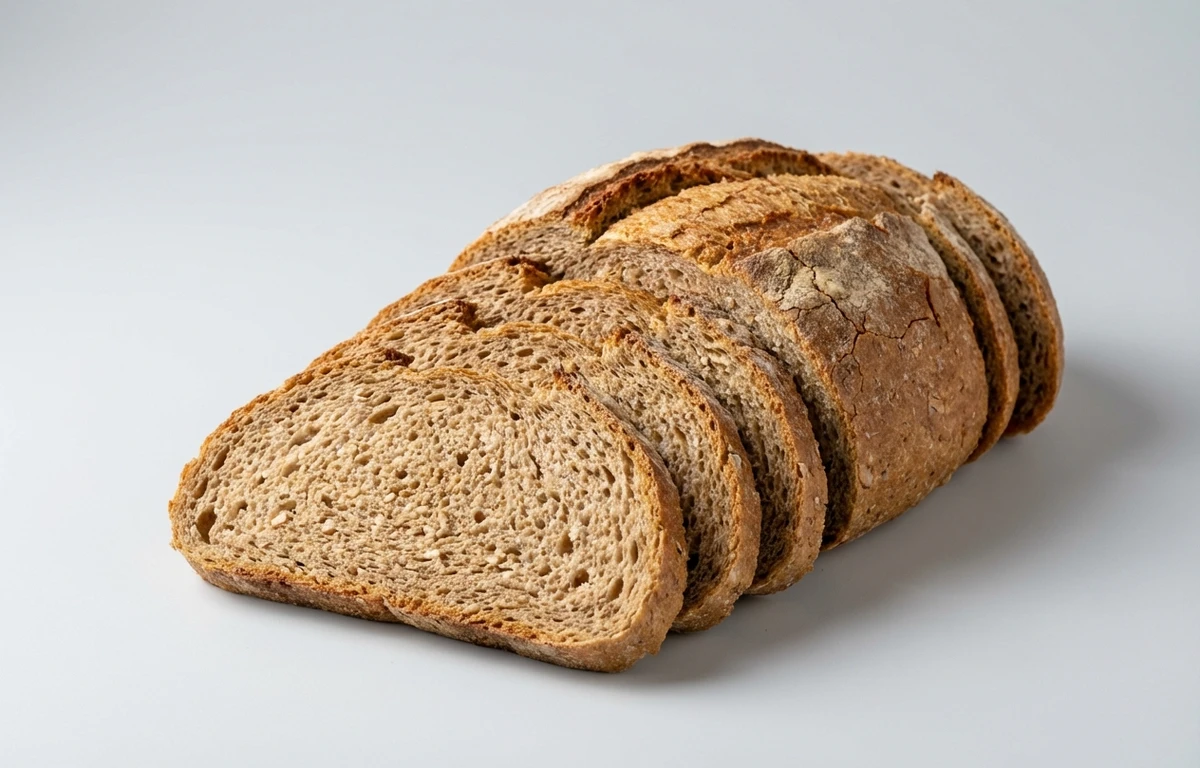
whole wheat bread.
VegetarianVeganGluten-freeDairy-freeNut-freePeanut-freeSoy-freeEgg-freeShellfish-freeHoney-freeAlcohol-freeWhole grainFermented
ALSO KNOWN AS
whole grain breadmultigrain breadatta bread100% whole wheat breadbrown breadwholemeal breadwhole wheat breadwhole-grain bread
SERVING
CALORIES
247
PROTEIN
13g
CARBS
41g
FAT
3.4g
FIBER
7.0g
NUTRITION PROFILE · per 100 g
Everything in this ingredient.
MACRONUTRIENTS
Calories247kcal—
Protein13g26%
Carbohydrates41g15%
Fiber7.0g25%
Sugar6.0g12%
Total fat3.4g4%
Saturated fat0.70g3%
Trans fat0g—
Cholesterol0mg0%
Water37g—
MINERALS
Sodium455mg20%
Potassium248mg5%
Calcium161mg12%
Iron2.5mg14%
Magnesium75mg18%
Phosphorus212mg17%
Zinc1.8mg16%
Copper0.20mg22%
Manganese1.9mg83%
Selenium30.7µg56%
VITAMINS
Vitamin A1.0µg0%
Vitamin C0mg0%
Vitamin D0µg0%
Vitamin E0.30mg2%
Vitamin K0.50µg0%
Thiamin (B1)0.40mg33%
Riboflavin (B2)0.20mg15%
Niacin (B3)4.4mg28%
Pantothenic acid (B5)0.60mg12%
Vitamin B60.20mg12%
Folate (B9)50µg13%
Vitamin B120µg0%
%DV based on a 2,000 cal diet. Source: USDA FoodData Central. A dash in the %DV column means there’s no established Daily Value for that nutrient.
MEASUREMENT CONVERSIONS
How much is what.
1 cup45g
1 oz28.4g
1 lb453.6g
HEALTH BENEFITS
Why eat it.
- ✓High in dietary fiber for digestive health
- ✓Provides sustained energy through complex carbohydrates
- ✓Rich in B vitamins for metabolism
- ✓Contains essential minerals like iron and magnesium
- ✓Supports heart health by lowering cholesterol
COOKING TIPS
In the kitchen.
- 1Toast to enhance flavor and provide a crispy texture
- 2Use slightly stale bread for better French toast or bread pudding
- 3Pulse in a blender to create fresh whole wheat breadcrumbs
STORAGE
Keep it fresh.
- Store in a cool, dry place in an airtight bag
- Freeze slices for up to 3 months to prevent mold
- Avoid refrigeration as it can cause the bread to stale faster
FAQ
Frequently asked questions.
How long does whole wheat bread last?
At room temperature, it typically lasts 5-7 days. If frozen, it can last up to 3 months.
Can I freeze whole wheat bread?
Yes, it freezes very well. It is best to slice it before freezing so you can take out only what you need.
How can I tell if it is 100% whole wheat?
Check the ingredient list; 'whole wheat flour' should be the first ingredient listed, not just 'wheat flour'.
What is a good substitute for whole wheat bread?
Multigrain bread, rye bread, or oat bread are good alternatives with similar textures.
Why does whole wheat bread go stale in the fridge?
The cold temperature causes the starch molecules to recrystallize faster, a process called retrogradation, which makes the bread tough.
Is whole wheat bread gluten-free?
No, whole wheat bread contains gluten and is not suitable for those with celiac disease or gluten sensitivity.
What are the main nutrients in whole wheat bread?
It is a good source of fiber, B vitamins (like niacin and thiamine), and minerals such as iron and magnesium.
How do I prevent my bread from getting moldy?
Keep it in a cool, dry place and ensure the bag is sealed tightly. If you live in a humid climate, freezing is the best option.
Is whole wheat bread vegan?
Not always. Many commercial brands use honey, milk products, or eggs as conditioners or sweeteners. Always check the label.
RECIPES
Cook with whole wheat bread.
10 recipes · sorted by what’s quick