Vegetable10 recipes
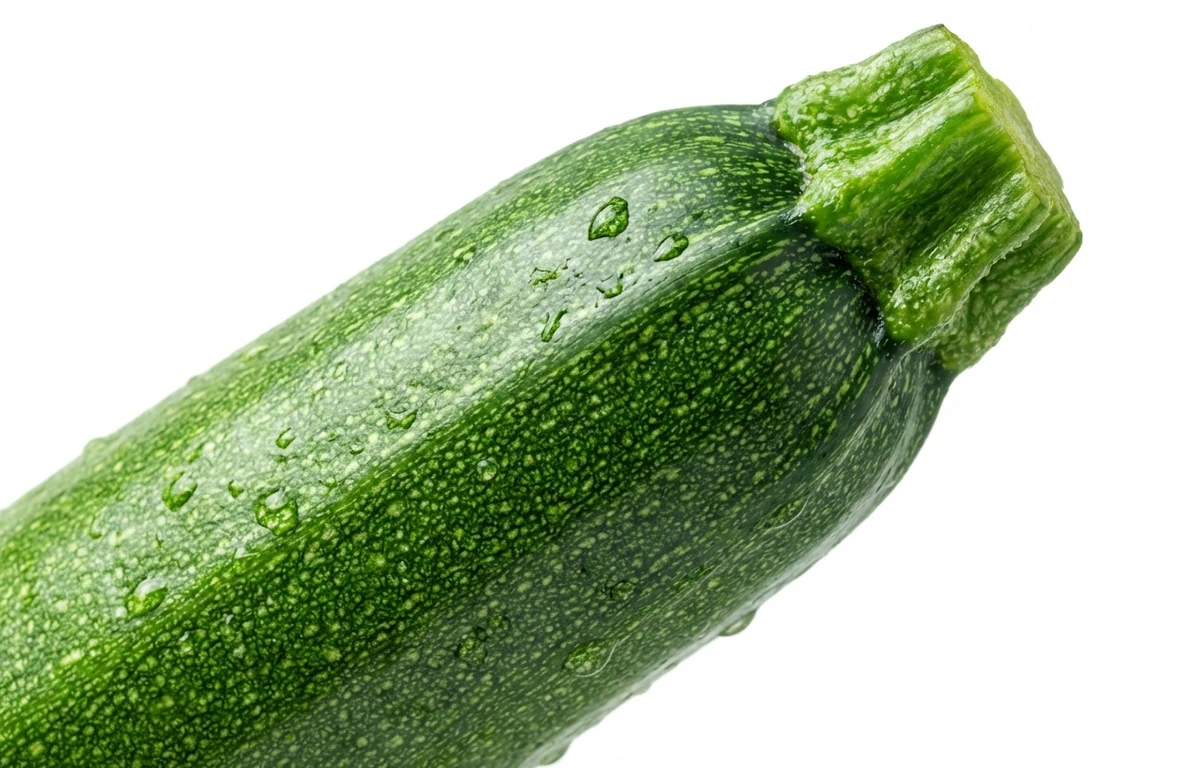
zucchini.
VegetarianVeganGluten-freeDairy-freeNut-freePeanut-freeSoy-freeEgg-freeShellfish-freeHoney-freeAlcohol-freeHalalKosher
ALSO KNOWN AS
medium zucchinicourgettebaby marrowsummer squashgreen zucchinicalabacínzucchiniraw zucchini
SERVING
CALORIES
17
PROTEIN
1.2g
CARBS
3.1g
FAT
0.32g
FIBER
1.0g
NUTRITION PROFILE · per 100 g
Everything in this ingredient.
MACRONUTRIENTS
Calories17kcal—
Protein1.2g2%
Carbohydrates3.1g1%
Fiber1.0g4%
Sugar2.5g5%
Total fat0.32g0%
Saturated fat0.05g0%
Trans fat0g—
Cholesterol0mg0%
Water94.8g—
MINERALS
Sodium8.0mg0%
Potassium261mg6%
Calcium16mg1%
Iron0.37mg2%
Magnesium18mg4%
Phosphorus38mg3%
Zinc0.32mg3%
Copper0.05mg6%
Manganese0.18mg8%
Selenium0.20µg0%
VITAMINS
Vitamin A10µg1%
Vitamin C17.9mg20%
Vitamin D0µg0%
Vitamin E0.12mg1%
Vitamin K4.3µg4%
Thiamin (B1)0.05mg4%
Riboflavin (B2)0.09mg7%
Niacin (B3)0.45mg3%
Pantothenic acid (B5)0.20mg4%
Vitamin B60.16mg9%
Folate (B9)24µg6%
Vitamin B120µg0%
%DV based on a 2,000 cal diet. Source: USDA FoodData Central. A dash in the %DV column means there’s no established Daily Value for that nutrient.
MEASUREMENT CONVERSIONS
How much is what.
1 cup124g
1 oz3.5g
1 lb0.2g
1 piece196g
HEALTH BENEFITS
Why eat it.
- ✓High in antioxidants like lutein and zeaxanthin for eye health
- ✓Promotes healthy digestion due to high water and fiber content
- ✓Low calorie density aids in weight management
- ✓Contains potassium which helps maintain healthy blood pressure
- ✓May help lower blood sugar levels in type 2 diabetics
COOKING TIPS
In the kitchen.
- 1Avoid overcooking to prevent the zucchini from becoming mushy and watery
- 2Salt sliced zucchini and let sit for 10 minutes to draw out excess moisture before frying
- 3Leave the skin on as it contains most of the nutrients and fiber
STORAGE
Keep it fresh.
- Store unwashed in a perforated plastic bag in the refrigerator crisper drawer
- Keep dry as moisture leads to rapid decay and mold
- Best consumed within 4 to 5 days of purchase
FAQ
Frequently asked questions.
How long does zucchini last in the fridge?
Zucchini typically stays fresh for 4 to 7 days when stored in the crisper drawer of the refrigerator.
Can you freeze zucchini?
Yes, but it is best to blanch it first. Note that frozen zucchini will be soft when thawed, making it better for soups or baking than for sautéing.
Do you need to peel zucchini before eating?
No, the skin is thin, edible, and contains the majority of the vegetable's nutrients.
What is a good substitute for zucchini?
Yellow summer squash is the closest substitute. For different textures, eggplant or chayote squash can also work.
How do I pick a good zucchini?
Look for zucchini that are firm, heavy for their size, and have a shiny, unblemished skin. Smaller ones (6-8 inches) are usually more tender and flavorful.
Is zucchini low carb?
Yes, zucchini is very low in carbohydrates, with only about 3 grams per 100g serving, making it popular for keto diets.
Can zucchini be eaten raw?
Absolutely. Raw zucchini is excellent in salads, as 'zoodles' (spiralized noodles), or served with dip.
Why does my zucchini taste bitter?
Extreme bitterness is caused by compounds called cucurbitacins, often due to plant stress. If a zucchini is intensely bitter, it is best to discard it.
What are 'zoodles'?
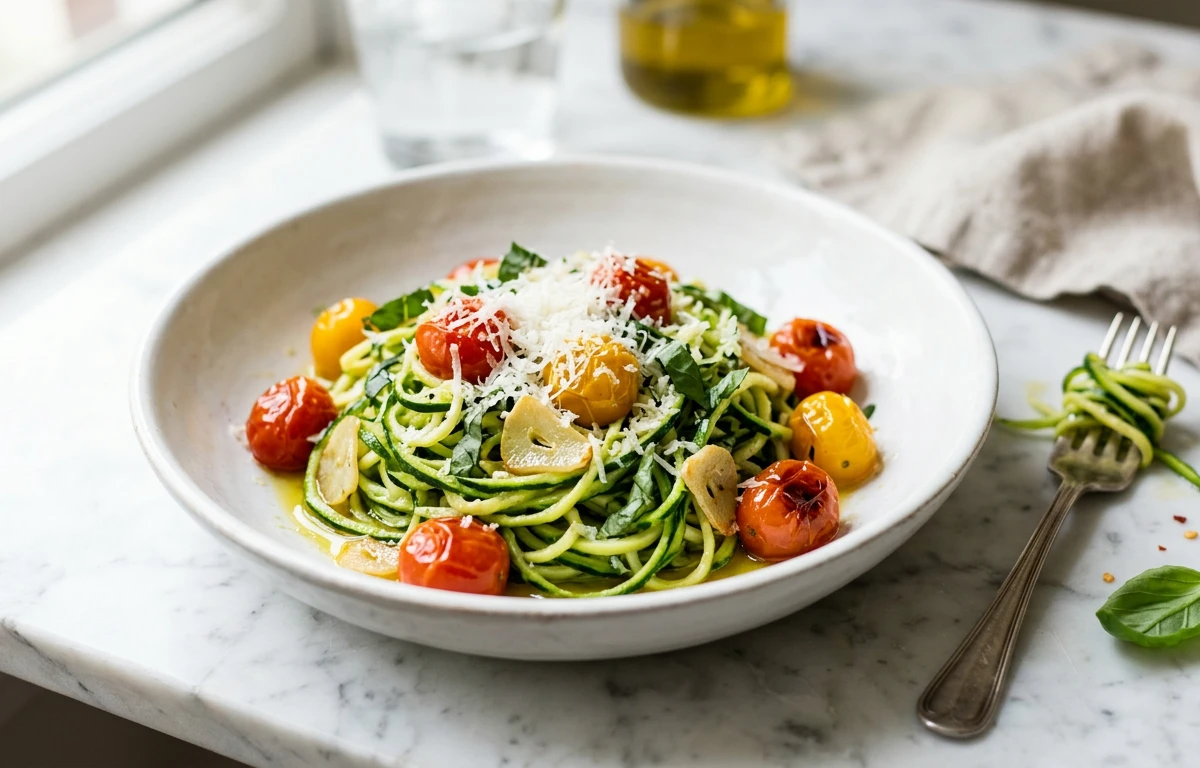
Zoodles are zucchini noodles made by spiralizing the vegetable into thin strands, often used as a gluten-free pasta alternative.
RECIPES
Cook with zucchini.
10 recipes · sorted by what’s quick