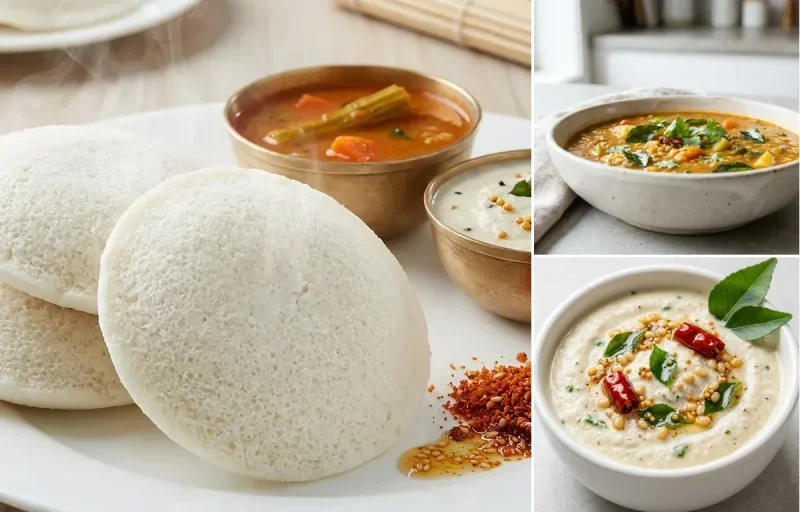
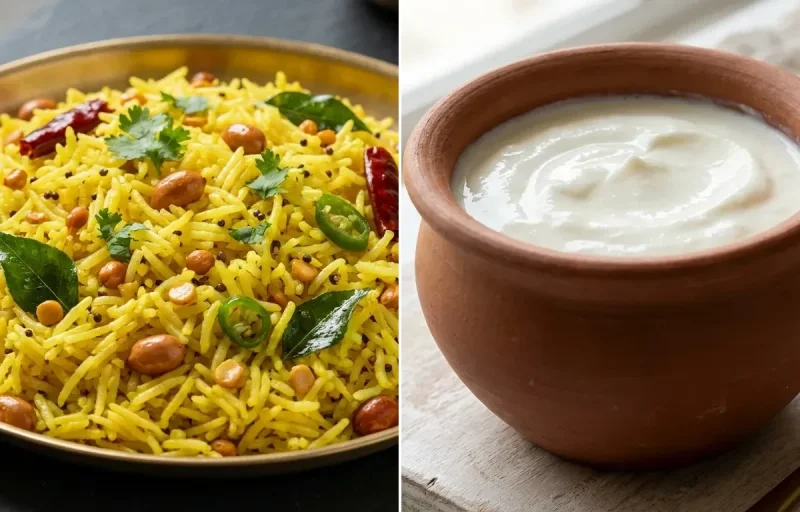
A wholesome and nutritious South Indian meal featuring high-protein, high-fiber lentil and vegetable pancakes (Adai) served with a flavorful mixed vegetable stew (Avial) and fresh coconut chutney, specifically designed to be diabetic-friendly.
A wholesome and savory South Indian pancake made with a low-glycemic blend of millets, brown rice, and mixed lentils. Packed with fiber and protein, this diabetic-friendly adai is a delicious and guilt-free choice for breakfast or dinner.
Prep20 min
Cook30 min
Servings4
Serving size: 1 serving
282cal
12gprotein
45gcarbs
Ingredients
0.25 cup Brown Rice
0.25 cup Foxtail Millet
0.25 cup Chana Dal (Split chickpeas)
0.25 cup Toor Dal (Split pigeon peas)
2 tbsp Urad Dal (Split black gram)
2 tbsp Moong Dal (Split yellow lentils)
3 count Dried Red Chilli (Adjust to your spice preference)
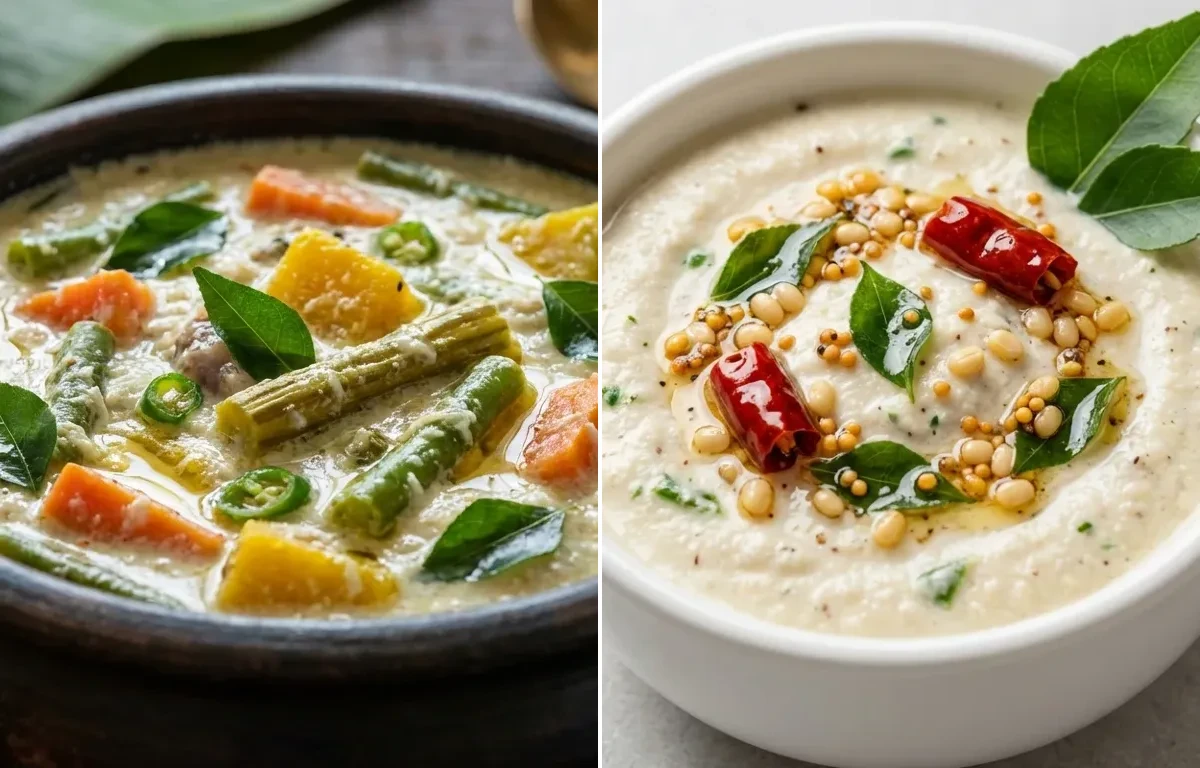
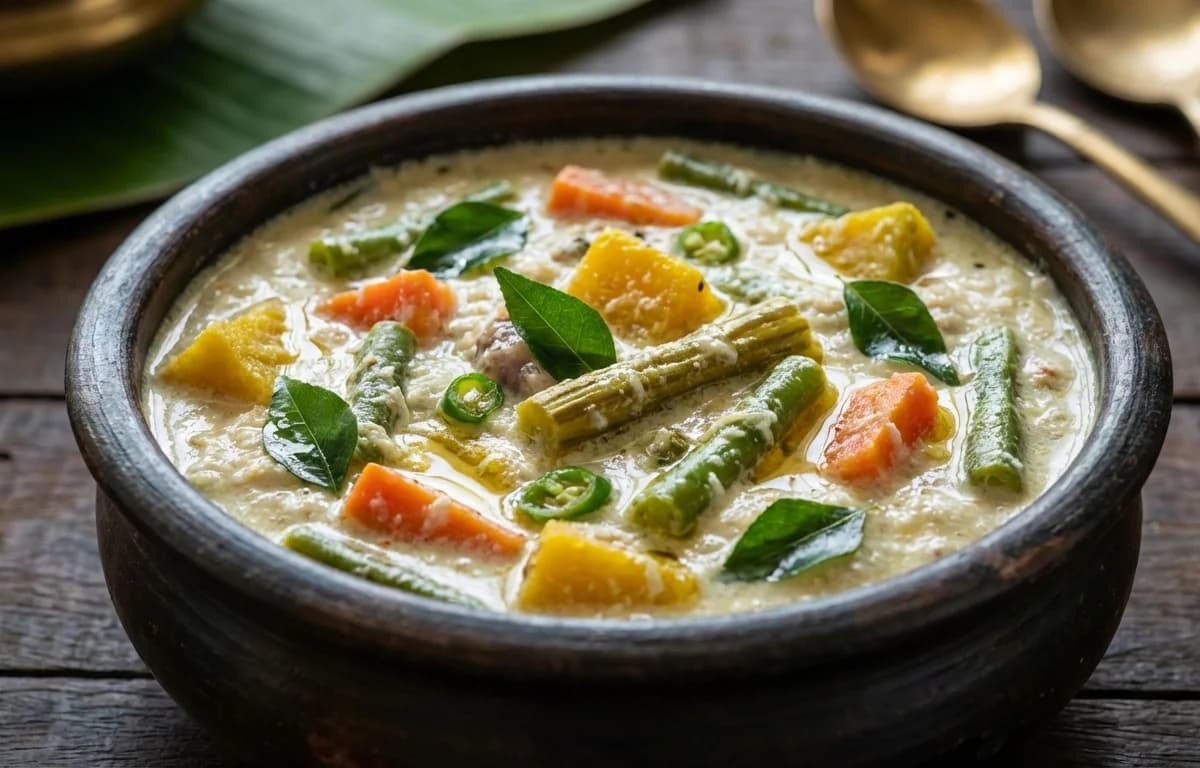
A traditional Kerala delight, Avial is a thick stew of mixed vegetables cooked in a creamy coconut and tangy yogurt sauce. Finished with a drizzle of coconut oil, it's a star dish in any South Indian feast.
A creamy, savory, and slightly tangy South Indian staple. This fresh coconut chutney is the perfect accompaniment for idli, dosa, vada, and upma. Made with freshly grated coconut and aromatic spices, it's finished with a classic tempering (tadka) that elevates its flavor.
Prep10 min
Cook5 min
Servings4
Serving size: 1 serving
About Adai, Avial and Coconut Chutney
A wholesome and nutritious South Indian meal featuring high-protein, high-fiber lentil and vegetable pancakes (Adai) served with a flavorful mixed vegetable stew (Avial) and fresh coconut chutney, specifically designed to be diabetic-friendly.
This south_indian dish is perfect for breakfast. With 664.63 calories and 18.44g of protein per serving, it's a nutritious choice for your meal plan.
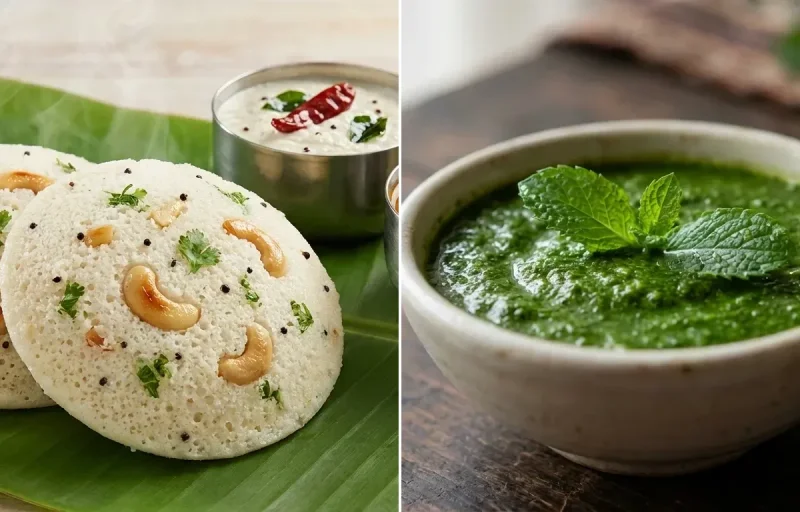
Other Cuisines to Explore
Discover authentic meals from cuisines around the world.
4 tsp Sesame Oil (For cooking, approximately 1/2 tsp per adai)
1 cup Water (For grinding, as needed)
Instructions
1
Soak Grains and Lentils
In a large bowl, combine the brown rice, foxtail millet, chana dal, toor dal, urad dal, and moong dal.
Add the dried red chillies and fenugreek seeds to the bowl.
Rinse the mixture thoroughly under running water 2-3 times until the water runs clear.
Add enough fresh water to cover the ingredients by at least 2 inches. Let it soak for a minimum of 4 hours, or up to 6 hours.
2
Grind the Batter
After soaking, drain the water completely.
Transfer the soaked mixture to a high-speed blender or a wet grinder.
Add salt, asafoetida, and turmeric powder.
Grind to a coarse, thick batter, adding water little by little as needed. The final texture should be slightly gritty, similar to fine semolina, not a smooth paste.
3
Prepare the Final Batter
Transfer the ground batter to a mixing bowl.
Add the finely chopped onion, coriander leaves, and curry leaves.
Mix everything well until evenly combined. The batter is now ready to use and does not require fermentation.
4
Cook the Adai
Heat a cast-iron or non-stick tawa (griddle) over medium heat. Sprinkle a few drops of water; if they sizzle and evaporate immediately, the tawa is ready.
Pour one ladleful of batter onto the center of the hot tawa.
Gently spread it in a circular motion to form a pancake about 6-7 inches in diameter. It should be thicker than a regular dosa.
Drizzle about 1/2 teaspoon of sesame oil around the edges and a little on top.
Cook for 2-3 minutes, until the bottom surface turns golden brown and the edges become crisp.
Flip the adai carefully and cook the other side for another 1-2 minutes until it's cooked through and has light brown spots.
Repeat the process with the remaining batter to make approximately 8 adais.
5
Serve
Serve the hot and crispy adai immediately. It pairs wonderfully with avial (a mixed vegetable stew), coconut chutney, or a piece of jaggery.
219cal
4gprotein
28gcarbs
12gfat
Ingredients
100 g Elephant Foot Yam (Peeled and cut into 2-inch batons)
1 medium Raw Banana (Peeled and cut into 2-inch batons)
1 pc Drumstick (Cut into 2-inch pieces)
1 medium Carrot (Peeled and cut into 2-inch batons)
75 g French Beans (Trimmed and cut into 2-inch pieces)
100 g Ash Gourd (Peeled and cut into 2-inch batons)
1 cup Grated Coconut (Freshly grated and tightly packed)
3 pc Green Chili (Adjust to your spice preference)
1 tsp Cumin Seeds
0.5 tsp Turmeric Powder
0.5 cup Curd (Slightly sour, whisked well)
1 sprig Curry Leaves (About 10-12 fresh leaves)
1 tbsp Virgin Coconut Oil (For drizzling at the end)
1 tsp Salt (Adjust to taste)
0.5 cup Water (For cooking vegetables)
Instructions
1
Prepare the Coconut Paste
In a blender or mixie jar, combine the fresh grated coconut, green chilies, and cumin seeds.
Pulse 3-4 times without adding any water to create a coarse, crumbly mixture. Avoid grinding it into a smooth paste. Set this aside.
2
Cook Vegetables in Stages (15-18 minutes)
In a heavy-bottomed pot or kadai, place the harder vegetables: yam and drumstick.
Add 1/2 cup of water, turmeric powder, and salt. Cover and cook on medium heat for about 7-8 minutes until they are partially cooked.
Next, add the semi-hard vegetables: carrot, raw banana, and beans. Stir gently, cover, and continue to cook for another 5-6 minutes.
Finally, add the softest vegetable, ash gourd. Mix gently, cover, and cook for 3-4 minutes until all vegetables are tender but still hold their shape and have a slight bite.
3
Combine with Coconut Paste (2-3 minutes)
Add the prepared coarse coconut paste to the cooked vegetables.
Gently mix until the vegetables are evenly coated. Ensure there is minimal water left in the pot.
1 cup Fresh Coconut (Grated and tightly packed. Frozen can be used after thawing.)
2 tbsp Pottukadalai (Also known as roasted chana dal or chutney dal.)
2 pcs Green Chili (Adjust to your spice preference.)
0.5 inch Ginger (Peeled and roughly chopped.)
1 tsp Tamarind Paste (Or a small marble-sized piece of whole tamarind, deseeded.)
0.5 tsp Salt (Adjust to taste.)
0.5 cup Water (Use as needed for grinding to desired consistency.)
2 tsp Coconut Oil (For tempering. Ghee or another neutral oil can be used.)
0.5 tsp Mustard Seeds
1 tsp Urad Dal (Split and skinned black gram lentils.)
2 pcs Dry Red Chili (Broken into halves.)
1 sprig Curry Leaves (About 10-12 leaves.)
1 pinch Asafoetida (Also known as hing. Optional but recommended.)
Instructions
1
Grind the Chutney Base (5 minutes)
In a blender or mixie jar, combine the fresh grated coconut, pottukadalai (roasted chana dal), green chilies, chopped ginger, tamarind paste, and salt.
Add 1/4 cup of water to begin.
Blend in short bursts, scraping down the sides as needed, until you get a thick, smooth paste. Avoid over-blending to prevent the coconut from releasing excess oil.
Add more water, one tablespoon at a time, and blend briefly until you reach your desired consistency. Transfer the chutney to a serving bowl.
2
Prepare the Tempering (Tadka) (5 minutes)
Heat the coconut oil in a small tadka pan over medium heat. Test if the oil is hot enough by dropping in one mustard seed; it should sizzle immediately.
Add the mustard seeds and allow them to splutter completely, which takes about 30 seconds.
Lower the heat, then add the urad dal. Sauté for 30-40 seconds, stirring continuously, until it turns a pale golden brown.
Quickly add the broken dry red chilies, fresh curry leaves, and a pinch of asafoetida. Stir for another 15-20 seconds until the curry leaves become crisp and fragrant. Immediately remove from heat to prevent burning.
Cook on low heat for 2-3 minutes, allowing the raw flavor of the coconut to dissipate and the flavors to meld.
4
Add Yogurt and Finishing Touches (10-15 minutes resting)
Turn off the heat completely. Let the pot cool for 1-2 minutes. This is a crucial step to prevent the yogurt from curdling.
Pour in the well-whisked curd and mix gently until everything is well combined.
Drizzle the virgin coconut oil over the top and scatter the fresh curry leaves.
Immediately cover the pot with a lid and let it rest for at least 10-15 minutes. This allows the final aromas to infuse deeply into the dish. Do not stir after adding oil and leaves until ready to serve.
5
Serve
After the resting period, give the Avial one final gentle stir.
Serve warm as a key component of a Sadya (traditional feast) or as a side dish with steamed rice and sambar.
Combine and Serve (5 minutes rest)
Pour the hot, sizzling tempering directly over the ground chutney in the bowl.
Gently mix the tempering into the chutney. Do not overmix.
Let the chutney rest for at least 5 minutes to allow the flavors to meld together.
Serve fresh with hot idlis, dosas, vadas, or uttapam.