A classic Rajasthani snack featuring a flaky, crispy pastry filled with a savory and spicy moong dal mixture. These deep-fried delights are perfect for tea time or festive occasions, best served with tangy tamarind chutney.
Prep40 min
Cook40 min
Soak120 min
Servings4
Serving size: 1 serving
641cal
14gprotein
69gcarbs
Ingredients
2 cup Maida (All-purpose flour)
4 tbsp Ghee (For the dough (moyan))
0.5 tsp Ajwain (Carom seeds)
0.5 tsp Salt (For the dough)
0.5 cup Water (For kneading, adjust as needed)
0.5 cup Moong Dal (Yellow split lentils, soaked for 2 hours)
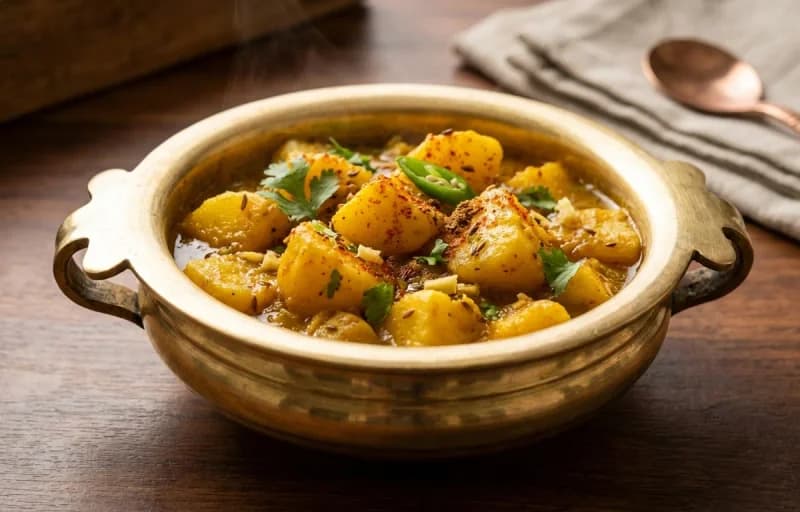
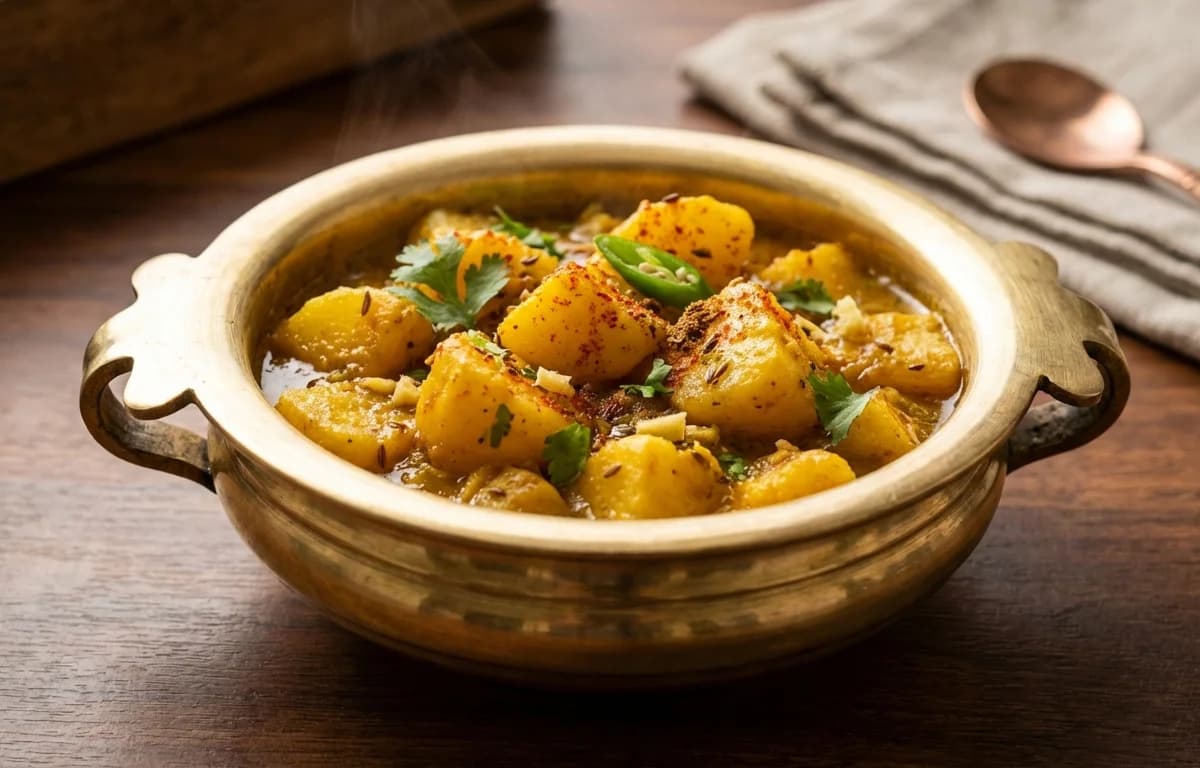
A simple and comforting potato curry made with tender boiled potatoes simmered in a savory tomato and onion gravy. This classic North Indian dish is perfect with hot puris or rotis and comes together in under 30 minutes.
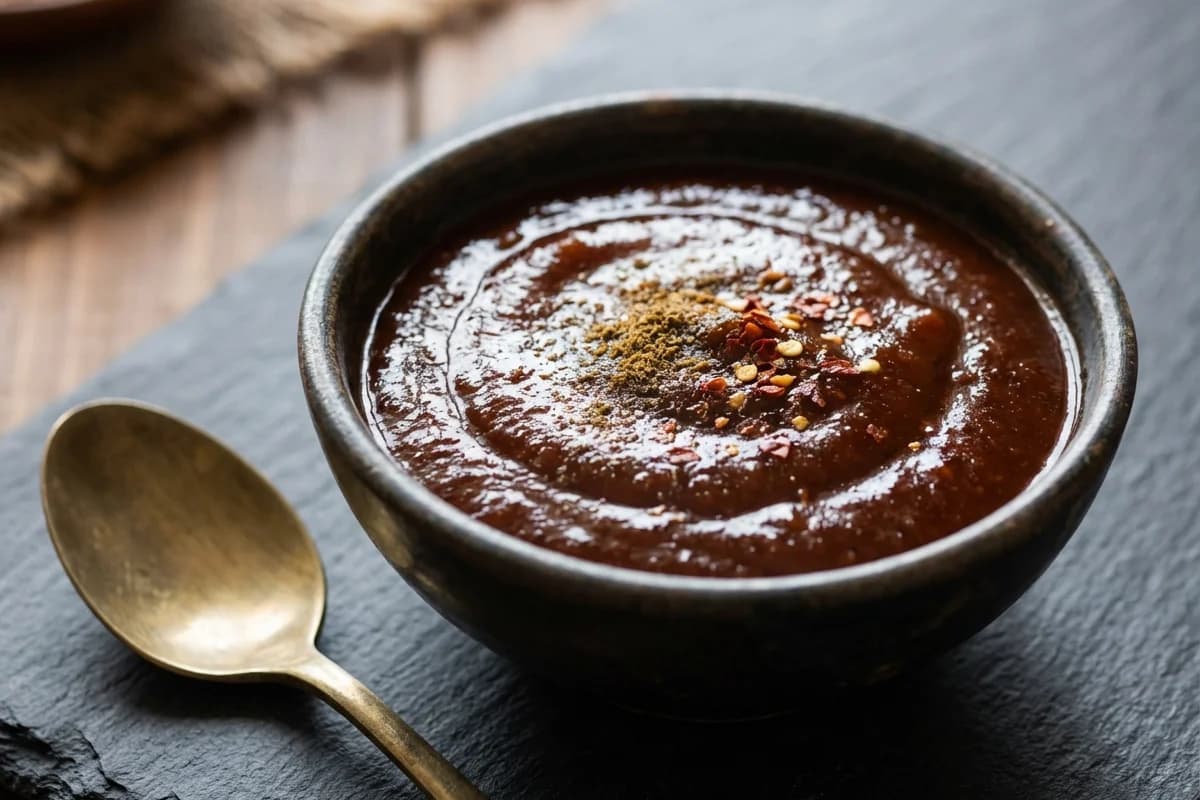
A classic Indian condiment balancing sweet, sour, and tangy notes perfectly. Made from tamarind pulp, jaggery, and spices, this chutney is the soul of chaat and the perfect dip for samosas and pakoras.
Wash and soak the moong dal in water for at least 2 hours. Drain completely, ensuring no water remains.
In a grinder, pulse the soaked dal into a coarse, dry paste. Do not add any water.
Heat 2 tbsp of ghee in a pan over medium-low heat. Add jeera, hing, crushed saunf, and crushed dhaniya seeds. Sauté for 30-40 seconds until fragrant.
Add the besan and roast on low heat for 2-3 minutes, stirring constantly, until it smells nutty and changes color slightly.
Add the coarse dal paste. Cook for 8-10 minutes, breaking up lumps and stirring continuously, until the mixture is dry, crumbly, and aromatic.
Stir in haldi, red chili powder, amchur, garam masala, and salt. Mix well and cook for another 2 minutes.
Spread the filling on a plate and let it cool down completely.
2
Prepare the Dough
In a large mixing bowl, combine maida, ajwain, and salt.
Add 4 tbsp of melted ghee. Rub the ghee into the flour with your fingertips until the mixture resembles coarse breadcrumbs. It should hold its shape when pressed into a fist (this is called 'moyan').
Gradually add lukewarm water, a little at a time, and knead to form a semi-soft, pliable dough. Do not over-knead.
Cover the dough with a damp cloth and let it rest for 30 minutes.
3
Assemble the Kachoris
After resting, knead the dough for one minute to smoothen it. Divide it into 16 equal-sized balls.
Divide the cooled dal filling into 16 equal portions and roll them into small balls.
Take one dough ball and flatten it into a 3-inch circle using your fingers or a rolling pin. Keep the edges thinner than the center.
Place a ball of filling in the center. Gather the edges of the dough, pleating as you go, and bring them together to seal the filling completely. Pinch the top to seal tightly and remove any excess dough.
Gently flatten the stuffed ball between your palms to form a kachori about 2.5-3 inches in diameter. Ensure there are no cracks.
4
Fry the Kachoris
Heat the oil for deep frying in a heavy-bottomed kadai on the lowest possible flame. The oil should be just warm, not hot. To test, drop a tiny piece of dough; it should sink and rise to the surface very slowly after a few seconds.
Gently slide 3-4 kachoris into the oil, ensuring not to overcrowd the pan.
Fry on very low heat for 10-12 minutes. Do not disturb them. They will slowly puff up and start to float.
Once they float, flip them over. Continue to fry for another 10-15 minutes, flipping occasionally, until they are golden brown, crisp, and cooked through.
For the last minute of frying, you can increase the heat to medium to achieve a perfect golden color.
Remove with a slotted spoon and drain on a wire rack or paper towels. Let the oil cool down slightly before adding the next batch.
Serve hot with green chutney or tamarind chutney.
196cal
4gprotein
30gcarbs
8gfat
Ingredients
500 g potatoes (about 4 medium, boiled, peeled, and cubed)
2 tbsp vegetable oil
1 tsp jeera
0.25 tsp hing
1 pcs onion (large, finely chopped)
1 tbsp ginger garlic paste
2 pcs green chili (slit lengthwise)
2 pcs tomatoes (medium, finely chopped or pureed)
0.5 tsp turmeric powder
1 tsp red chili powder (adjust to your spice preference)
1.5 tsp coriander powder
1 tsp salt
1 cup water (adjust for desired consistency)
0.5 tsp garam masala
0.5 tsp amchur powder (or 1 tbsp lemon juice)
2 tbsp coriander leaves (chopped, for garnish)
Instructions
1
Heat oil in a pan or kadai over medium heat. Add cumin seeds and let them splutter for about 30 seconds. Add the hing, followed by the chopped onions. Sauté the onions until they turn soft and golden brown, which should take about 5-6 minutes. Add the ginger-garlic paste and green chilies. Cook for another minute until the raw smell disappears.
2
Add the chopped tomatoes or puree to the pan. Cook until the tomatoes soften and oil begins to separate from the masala, about 4-5 minutes. Add the turmeric powder, red chili powder, coriander powder, and salt. Mix well and cook for one more minute.
3
Add the cubed boiled potatoes to the pan. Gently mix to coat the potatoes with the masala without breaking them. Pour in the water and bring the mixture to a simmer. Cover the pan and let it cook on low heat for 5-7 minutes, allowing the potatoes to absorb the flavors. You can gently mash a few potato pieces with the back of your spoon to thicken the gravy.
4
Turn off the heat. Stir in the garam masala and amchur powder. Garnish with freshly chopped coriander leaves. Let the sabzi rest for a few minutes before serving.