
vegetariansoy-free
gujarati
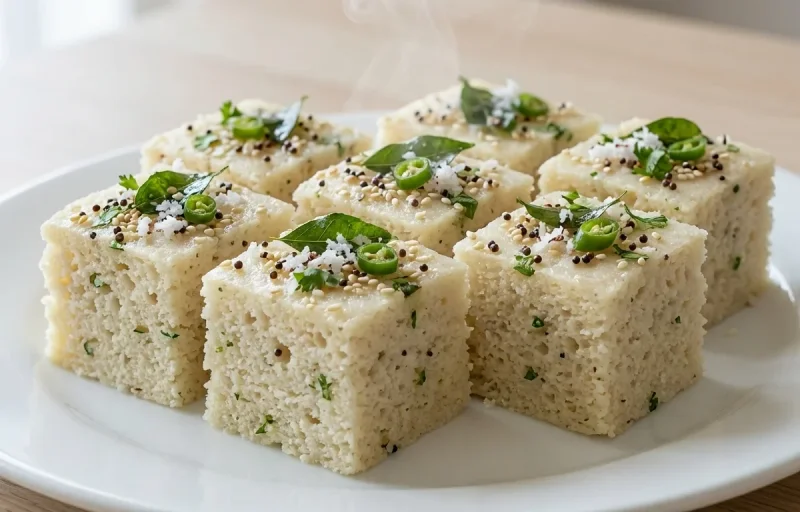
Rava Dhokla
15 min
277 cal
8gProtein
36gCarbs
11gFat
1Recipes
Loading...
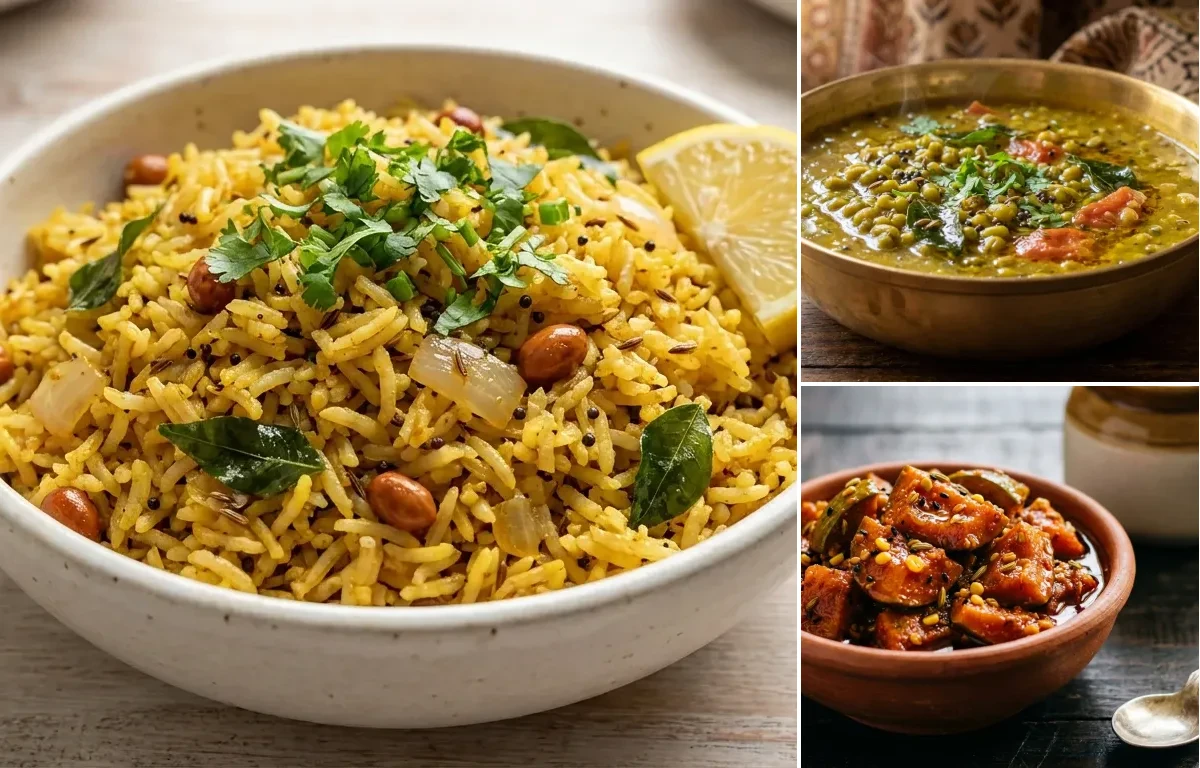
Aromatic Vagharelo Bhaat with protein-packed Mag nu Shaak – homestyle comfort food that's gut-friendly!
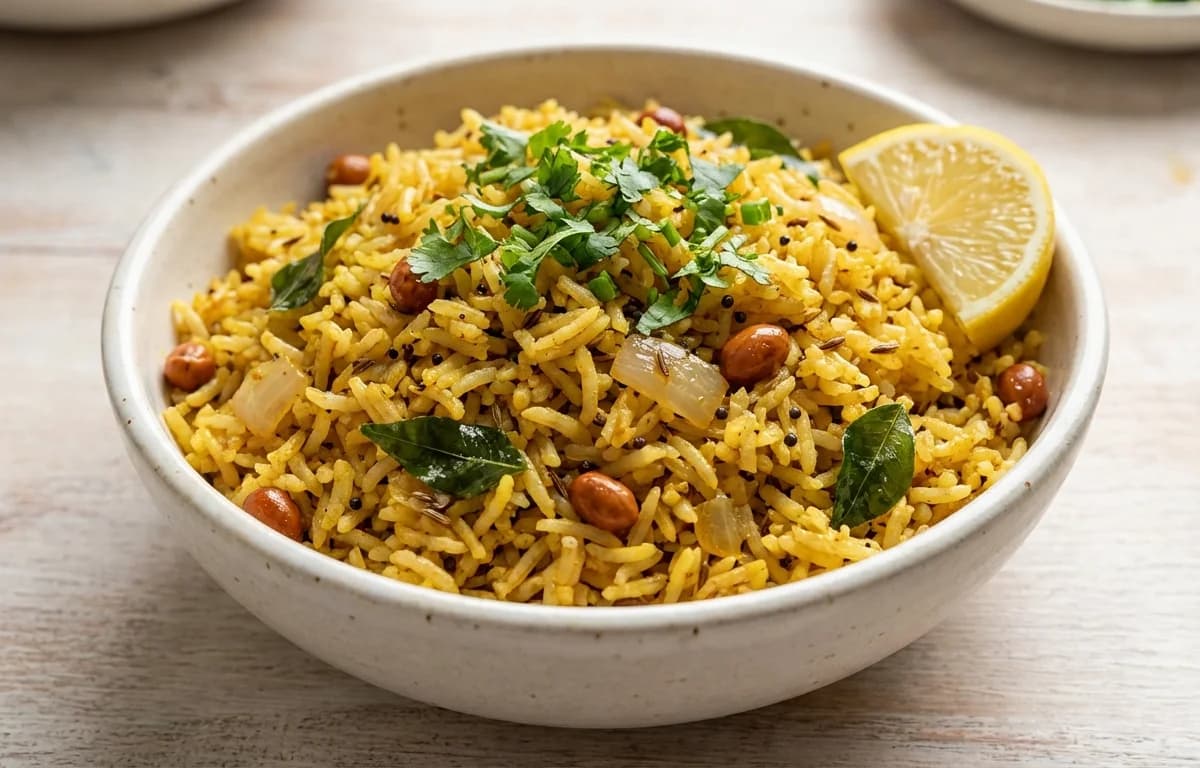
A quick and flavorful Gujarati dish made from leftover rice, tempered with classic Indian spices and peanuts. It's the perfect solution for a speedy lunch or a light breakfast, ready in just 15 minutes.
Serving size: 1 serving
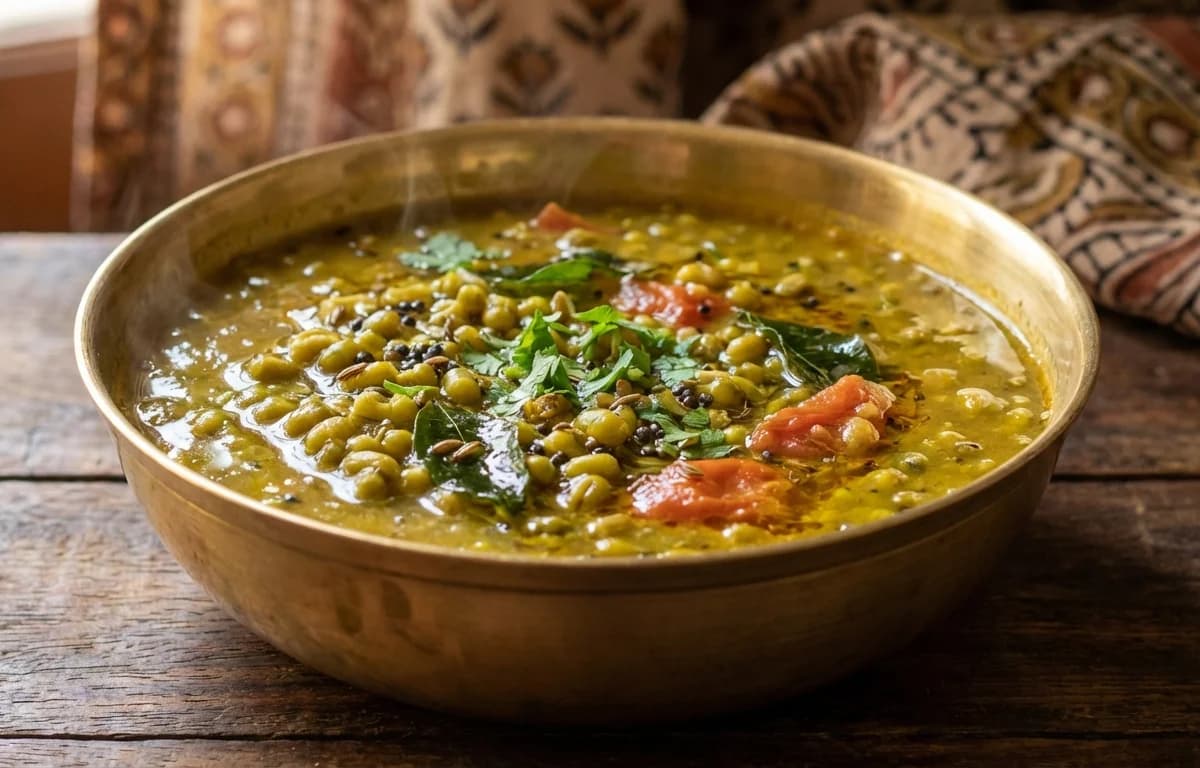
A classic Gujarati comfort food, this curry features whole green moong beans in a soupy, tangy, and slightly sweet gravy. It's a wholesome and light dish, perfect with hot rotis or steamed rice.
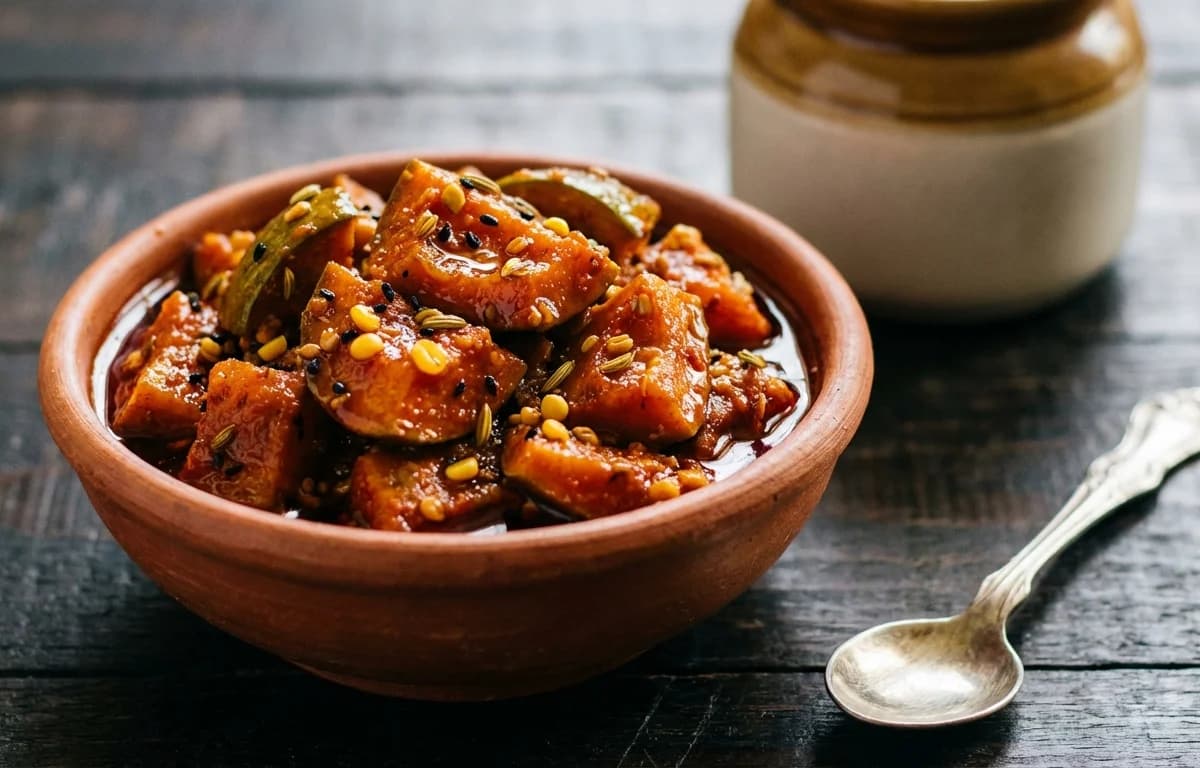
A classic North Indian condiment, 'Aam ka Achar' is made with raw, tangy mangoes, a robust blend of aromatic spices, and pungent mustard oil. This traditional sun-cured pickle is the perfect spicy and sour accompaniment to any meal, from dal-rice to stuffed parathas.
Aromatic Vagharelo Bhaat with protein-packed Mag nu Shaak – homestyle comfort food that's gut-friendly!
This gujarati dish is perfect for lunch. With 673.3299999999999 calories and 19g of protein per serving, it's a nutritious choice for your meal plan.
Discover authentic meals from cuisines around the world.
Find meals that fit your dietary preferences.
Find meals optimized for your goal.
Prepare the Rice: Take the cold, cooked rice in a large bowl. Gently break up any lumps with a fork or your hands until the grains are separated. Set aside.
Prepare the Tempering (Vaghar): Heat oil in a wide pan or kadai over medium heat. Once hot, add the mustard seeds and allow them to splutter completely, which takes about 30-45 seconds.
Sauté Aromatics: Add the cumin seeds, hing, and raw peanuts to the pan. Sauté for about 1-2 minutes, stirring frequently, until the peanuts turn light golden and become fragrant. Be careful not to burn them.
Cook Onions: Add the curry leaves and finely chopped onion. Sauté for 3-4 minutes until the onions become soft and translucent.
Add Spices and Rice: Lower the heat to prevent the spices from burning. Add the turmeric powder and red chili powder, and stir for 10-15 seconds. Immediately add the separated rice, salt, and sugar.
Mix and Steam: Gently toss everything together until the rice is evenly coated with the spices. Cover the pan with a lid and cook on low heat for 2-3 minutes. This step allows the rice to heat through and absorb all the flavors.
Garnish and Serve: Turn off the heat. Uncover the pan, squeeze fresh lemon juice over the rice, and garnish with freshly chopped coriander leaves. Give it a final gentle mix and serve hot.
Serving size: 1 serving
Prep & Soak Moong: Rinse 1 cup of whole green moong beans thoroughly. Soak them in ample water for at least 6-8 hours or overnight. This is crucial for even cooking. Drain the soaking water before use.
Pressure Cook Moong: In a 3-liter pressure cooker, combine the drained moong beans, 3 cups of fresh water, 1/2 tsp turmeric powder, and 1/2 tsp salt. Secure the lid and pressure cook on medium heat for 4-5 whistles, which should take about 15 minutes. Allow the pressure to release naturally.
Check for Doneness: Once the pressure has settled, open the cooker. The moong beans should be soft and tender when pressed, but still hold their shape. If they are still hard, add a little more water and cook for another 1-2 whistles.
Prepare the Tempering (Vaghar): While the cooker is releasing pressure, heat 2 tbsp of ghee in a small pan (tadka pan) or kadai over medium heat.
Sauté Aromatics and Spices: Add the finely chopped tomato to the pan. Cook for 3-4 minutes, stirring occasionally, until the tomatoes soften and become mushy. Then, add 1/2 tsp red chili powder and 1.5 tsp dhana jeeru powder. Stir and cook for another minute.
Serving size: 1 serving
Prepare the Mangoes (Day 1)
Dry the Mangoes (Day 2)
Prepare the Spice Mix and Oil
Combine and Simmer: Pour the entire tempering mixture into the pressure cooker with the cooked moong. Add 1 tbsp grated jaggery, 4 pieces of kokum, and the remaining 1/2 tsp of salt. Stir everything together gently.
Adjust Consistency and Simmer: Bring the curry to a gentle boil. If the consistency is too thick for your liking, add up to 1 cup of hot water to achieve a soupy texture. Reduce the heat to low and let it simmer for 5-7 minutes, allowing all the flavors to meld beautifully.
Garnish and Serve: Turn off the heat. If you are using lemon juice instead of kokum, stir it in now. Garnish with 2 tbsp of freshly chopped coriander leaves. Serve the Gujarati Moong Curry hot with phulka, rotli, or steamed rice.
Combine and Bottle the Pickle
Mature the Pickle (7-10 Days)

Luxurious, protein-packed Lobster Masala with soft rotli - a perfectly spiced, aromatic treat!

Aromatic Vaghareli Machhi with soul-satisfying khichdi & tangy kadhi. A homestyle delight!

Crispy, protein-packed Baida Roti with tangy mint chutney - a quick, satisfying dinner!

Melt-in-mouth Nalli Nihari, rich and aromatic, with tandoori roti. Pure soul-satisfying comfort!

Protein-packed Surti Keema Ghotala with soft pav - a perfectly spiced, homestyle treat!