Loading...
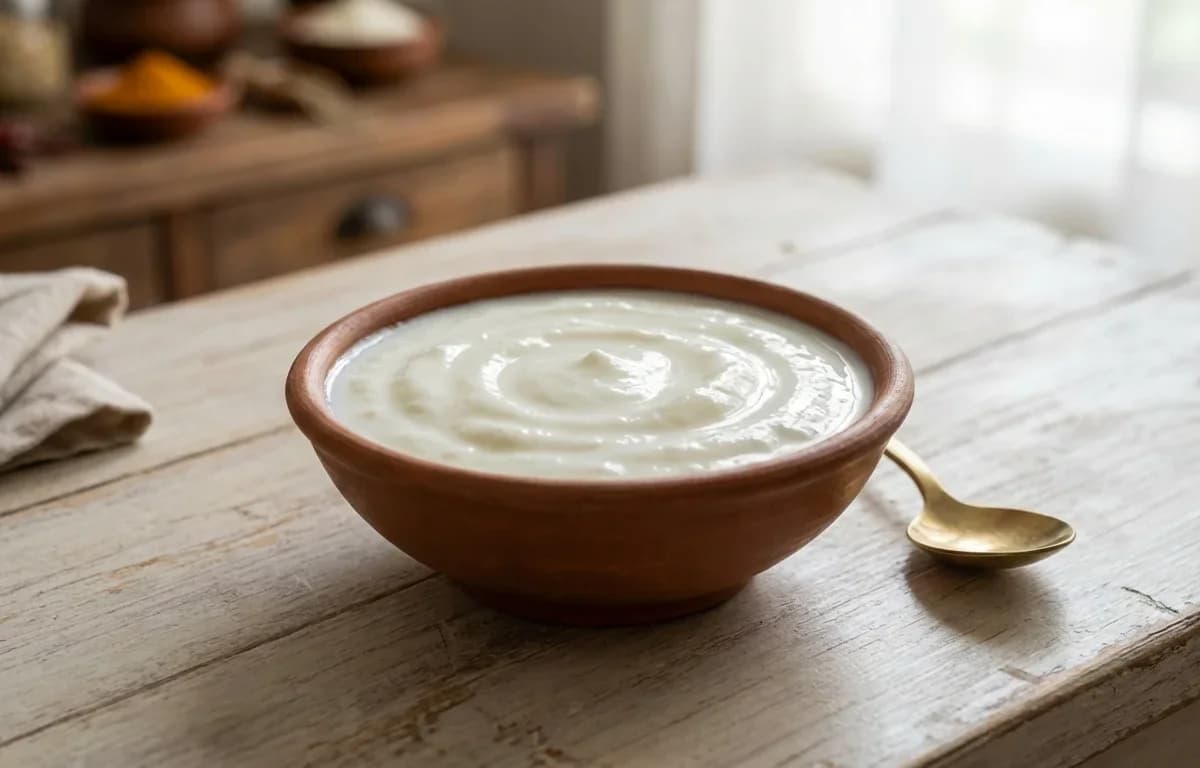
Master the art of making creamy, thick, and tangy homemade curd (dahi) with this foolproof recipe. Using just two simple ingredients, you can create a delicious and healthy probiotic-rich staple, perfect for enjoying plain, making raitas, or adding to curries.
For 4 servings
Boil and Cool the Milk
Prepare the Starter
Inoculate the Milk
Master the art of making creamy, thick, and tangy homemade curd (dahi) with this foolproof recipe. Using just two simple ingredients, you can create a delicious and healthy probiotic-rich staple, perfect for enjoying plain, making raitas, or adding to curries.
This indian recipe takes 15 minutes to prepare and yields 4 servings. At 158.11 calories per serving with 8.3g of protein, it's a beginner-friendly recipe perfect for side or breakfast or lunch or dinner.
Discover authentic recipes from cuisines around the world.
Find recipes that fit your dietary preferences.
Find recipes optimized for your goal.
Set the Curd
Ferment
Check and Chill
Use low-fat or skim milk for a lighter version. The result will be less thick and creamy but still delicious and healthy.
To make a sweet version, dissolve date palm jaggery or sugar in the warm milk before adding the starter. This creates the popular Bengali dessert, Mishti Doi.
Create a plant-based version using peanut milk or cashew milk and a vegan yogurt starter or the crowns of green chilies, which contain microbes that can culture the milk.
Loaded with live probiotics, homemade curd helps maintain a healthy balance of good bacteria in your gut, aiding digestion and preventing issues like bloating and constipation.
As a rich source of calcium and phosphorus, curd is essential for developing and maintaining strong bones and teeth, helping to prevent conditions like osteoporosis.
The active cultures and beneficial bacteria in curd stimulate your immune system, helping your body fight off infections and illnesses more effectively.
Curd provides high-quality protein that is easily digestible and essential for muscle repair, growth, and overall body function. It also helps in keeping you feeling full and satisfied.
A 100g serving of homemade curd made with full-fat milk contains approximately 98 calories. It's a balanced source of protein, healthy fats, and carbohydrates.
Yes, homemade curd is exceptionally healthy. It's a natural probiotic that improves gut health, aids digestion, and boosts immunity. It is also rich in calcium for strong bones and protein for muscle maintenance.
Watery curd usually results from a few issues: the milk was too hot or too cold when the starter was added, the starter was old or inactive, or the curd was disturbed while setting. Ensure the milk is just lukewarm and always use a fresh, active starter.
It is best to avoid UHT or ultra-pasteurized milk. The high-heat treatment denatures the milk proteins in a way that often prevents the curd from setting properly, resulting in a very soft or liquid texture.
To speed up the process in colder weather, you need to provide a consistently warm environment. Place the container in a preheated (and turned off) oven, an insulated box (like a casserole dish), or wrap it snugly in a thick towel or blanket.
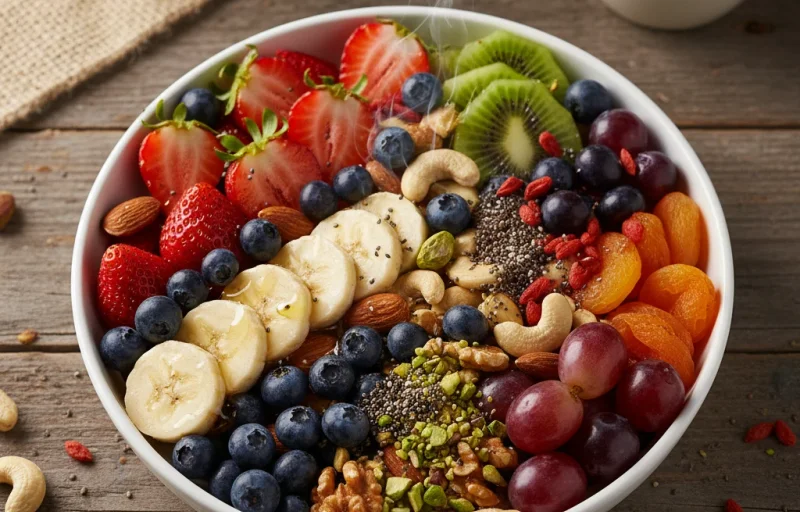
A vibrant and energizing Indian-style bowl packed with fresh fruits, crunchy nuts, and wholesome seeds in a lightly sweetened, cardamom-infused yogurt base. Perfect for a healthy breakfast or a revitalizing snack, this no-cook recipe is ready in just 10 minutes.
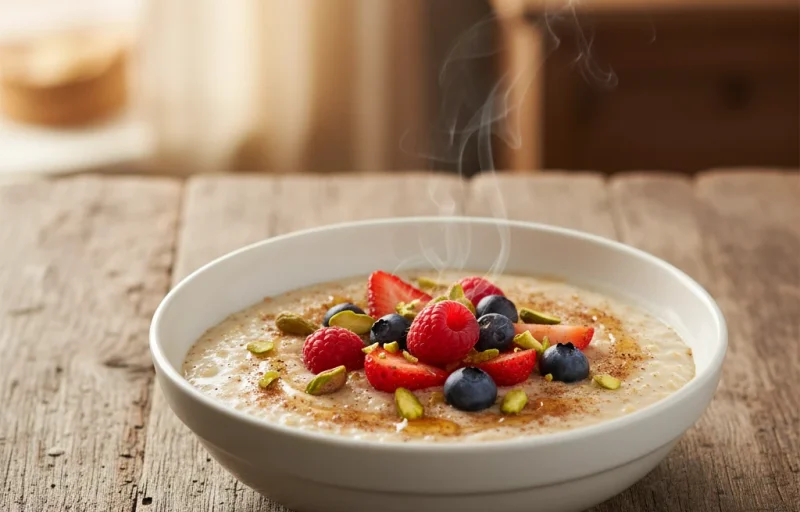
A wholesome and savory porridge made from broken wheat and mixed vegetables. This one-pot meal is a popular, nutritious breakfast or light lunch option across India, ready in under 30 minutes.
A savory and wholesome Indian breakfast made with roasted vermicelli, colorful vegetables, and a fragrant tempering of spices. This quick one-pot meal is light on the stomach and ready in under 30 minutes, perfect for busy mornings.
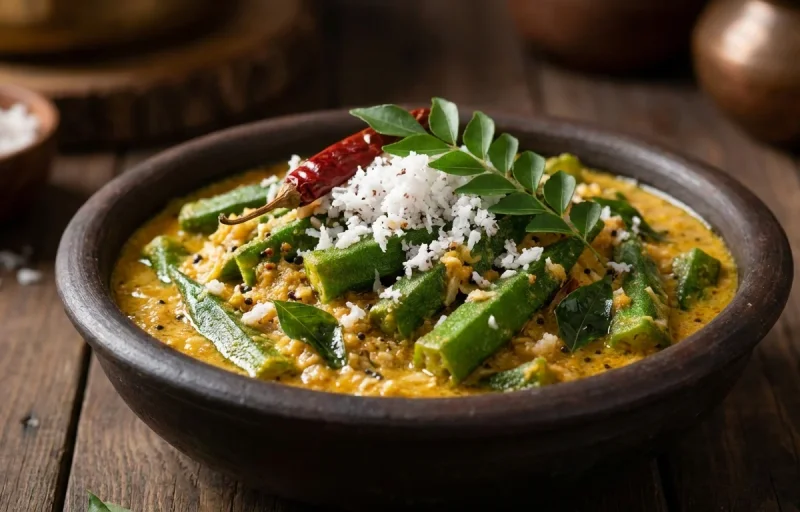
A delightful Konkani-style okra curry where tender okra is simmered in a tangy and sweet coconut-tamarind gravy. This traditional GSB dish, with its unique balance of flavors, is a perfect side for steamed rice.