Loading...

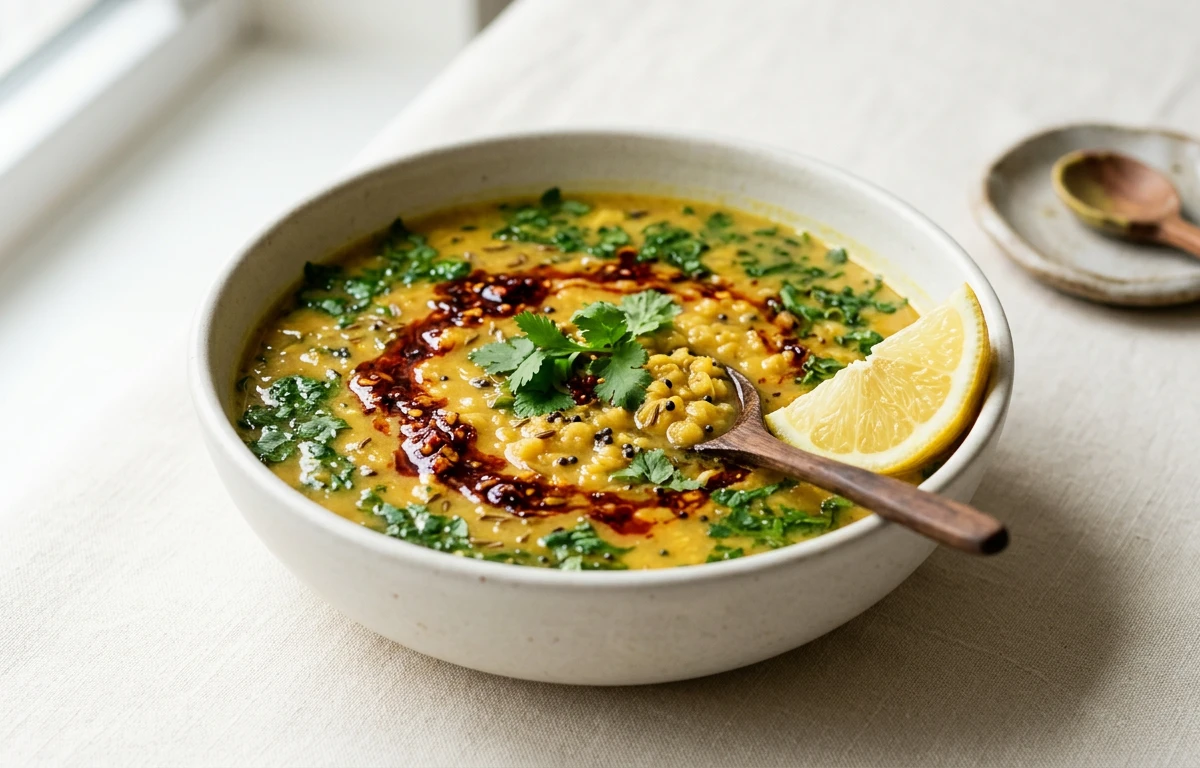
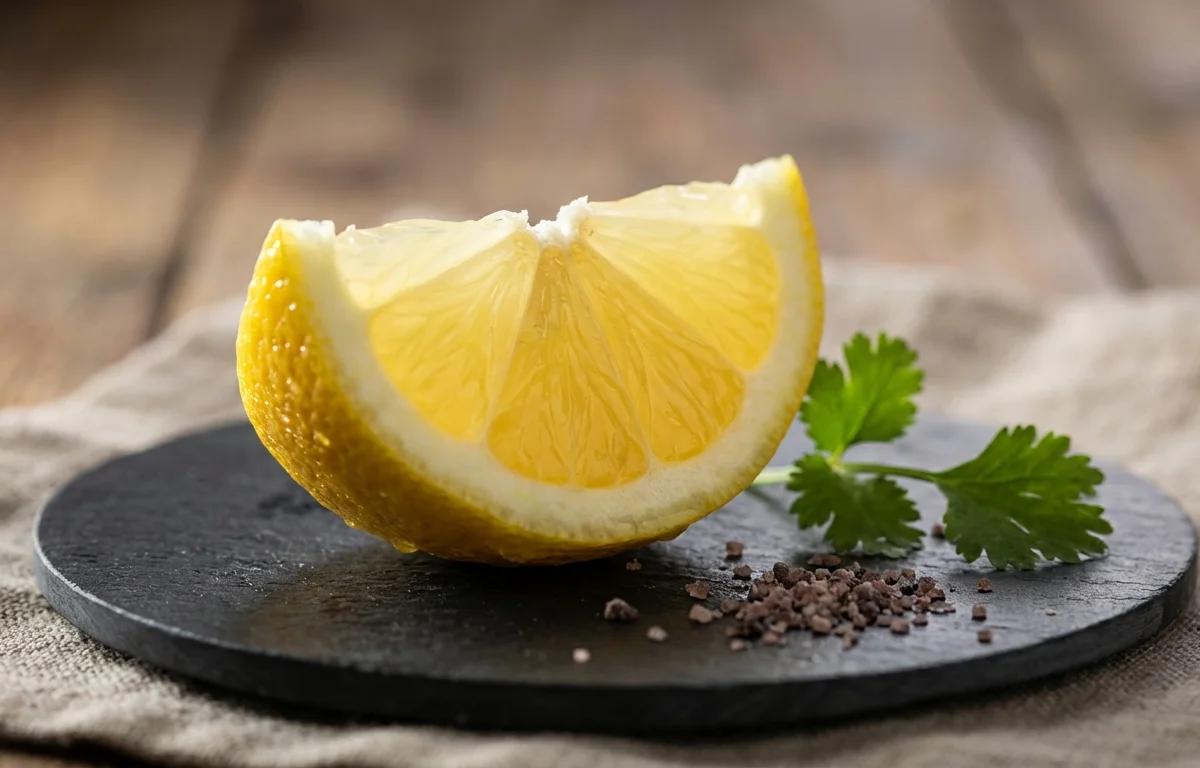
A simple, essential garnish for countless Indian dishes. Freshly cut lemon wedges add a bright, tangy kick to dals, curries, and snacks, balancing rich flavors with a burst of acidity.
Wash the lemons thoroughly under running water. Pat them completely dry with a clean cloth or paper towel. This removes any surface dirt or wax.
Optional but recommended: Firmly roll each lemon on your countertop for 15-20 seconds. This helps break down the internal membranes, making the lemon juicier and easier to squeeze.
Place a lemon on a cutting board. Using a sharp knife, carefully slice off the top (stem end) and the bottom (blossom end). This creates two flat, stable surfaces.
Stand the lemon on one of its flat ends. Slice it in half lengthwise, from top to bottom.
Lay each lemon half with the cut-side facing down. Slice each half lengthwise into two equal wedges. You will now have four wedges from the first lemon.
Repeat the process with the second lemon to get a total of eight wedges. Use the tip of your knife to flick out any visible seeds before serving.
A refreshing and protein-packed salad combining fluffy quinoa, hearty chickpeas, and crisp vegetables. The creamy lemon-tahini dressing ties everything together for a light yet satisfying meal, perfect for a healthy lunch.
A comforting and flavorful baked dish where assorted vegetables are cooked in a spiced yogurt-based gravy and baked to perfection. A wholesome Indian take on a classic casserole, perfect for a hearty meal.
A simple yet satisfying breakfast bowl featuring creamy yogurt topped with crunchy homemade granola and fresh berries. It's a quick, healthy, and delicious way to start your day.
A light, fluffy, and protein-packed omelette made with only egg whites and loaded with fresh vegetables and mild Indian spices. It's a perfect healthy and quick start to your day, ready in under 15 minutes.
A simple, essential garnish for countless Indian dishes. Freshly cut lemon wedges add a bright, tangy kick to dals, curries, and snacks, balancing rich flavors with a burst of acidity.
This indian recipe takes 5 minutes to prepare and yields 4 servings. At 12.18 calories per serving with 0.46g of protein, it's a beginner-friendly recipe perfect for garnish.
For a decorative touch on drinks, make a thin slice into the flesh of the wedge (not all the way through) so it can sit neatly on the rim of a glass.
The exact same cutting technique can be used for limes, which are often served with South Indian and Southeast Asian cuisines.
Before cutting, zest the lemon. Mix the fresh zest with coarse salt to create a vibrant lemon salt, perfect for rimming glasses or as a finishing salt on snacks.
Lemons are rich in Vitamin C, a primary antioxidant that helps protect cells from damaging free radicals and supports a robust immune system.
The citric acid in lemon juice can help supplement stomach acid levels, which aids in the breakdown of food and supports healthy digestion.
Adding a squeeze of lemon to water can enhance its flavor, encouraging increased water consumption and helping you stay properly hydrated.
The vitamin C and plant compounds in lemons may help lower risk factors for heart disease, such as high cholesterol and blood pressure.
A single lemon wedge (about 1/8 of a medium lemon) contains only 3-4 calories, making it a virtually calorie-free way to add flavor to your food and drinks.
Yes, it is very healthy. Lemon juice is packed with Vitamin C, an antioxidant that boosts immunity. It can also aid digestion and may help with the absorption of iron from plant-based foods like lentils and spinach.
Store leftover wedges in an airtight container or a sealed bag in the refrigerator. They are best used within 2-3 days as the cut surfaces will begin to dry out.
Rolling a lemon on a hard surface before cutting helps to break down the small membranes inside the fruit that hold the juice. This makes the lemon softer and allows you to extract significantly more juice when you squeeze it.
While bottled juice is convenient, fresh lemon wedges provide a much brighter, more aromatic flavor and lack the preservatives often found in bottled versions. For a garnish, fresh is always superior.