Sour Cream
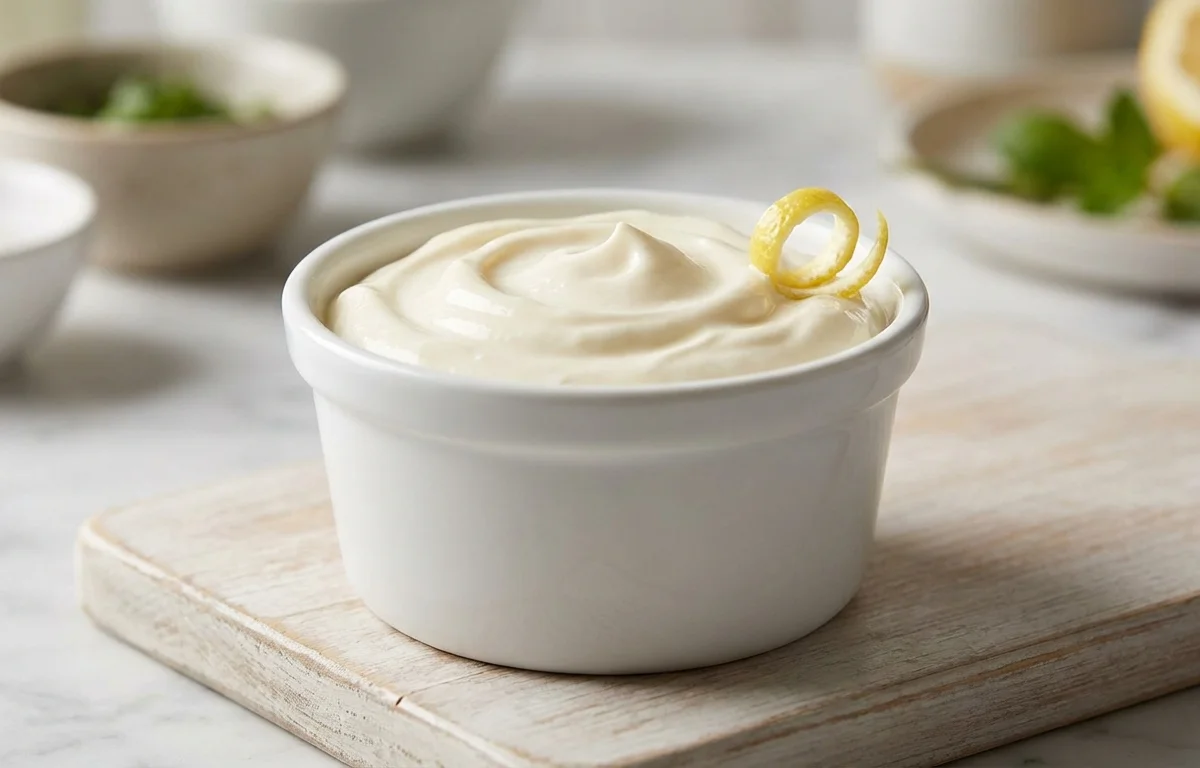
Rich, tangy, and wonderfully creamy, this homemade sour cream uses just two simple ingredients and a little patience. Let heavy cream and buttermilk culture at room temperature until thick and luscious, then refrigerate. It's fresher and cleaner-tasting than anything from a store, perfect for dolloping on tacos, baked potatoes, or swirling into soups.
For 8 servings
- prep
Clean and prepare a glass jar.
Wash a pint-sized glass jar and lid in hot, soapy water. Rinse thoroughly and let air-dry completely. Any residual soap or bacteria can interfere with the culturing process.
- mix
Combine cream and buttermilk in the jar.
Pour the heavy cream into the clean jar. Add the cultured buttermilk. Stir gently with a clean spoon until fully blended. Do not whip or aerate.
- other
Cover the jar loosely.
Place a layer of cheesecloth or a paper towel over the jar opening. Secure with a rubber band. This allows airflow for fermentation while keeping out dust and insects. Do not screw on the lid tightly.
- rest
Culture at room temperature until thick.
Place the jar in a warm spot, ideally between 70°F and 75°F (21°C to 24°C). Let it sit undisturbed for 24 hours. The cream will thicken to a yogurt-like consistency and develop a clean, tangy aroma. If your kitchen is cold, it may take up to 36 hours.
TIPA cooler kitchen slows the process; place the jar near the back of the stove or inside an oven with just the light on for gentle warmth. - mix
Stir and check consistency.
After 24 hours, remove the cheesecloth. Stir the cream gently — it should be noticeably thick, smooth, and tangy. If it is still thin and liquid, re-cover and let it culture for another 6 to 12 hours.
- other
Seal and refrigerate.
Once thickened to your liking, screw the lid on tightly and transfer the jar to the refrigerator. The sour cream will continue to thicken slightly as it chills. Use within 2 weeks.
What to keep in mind.
6 tips from the recipe — small details that make a real difference to the final dish.
- 1Use pasteurized (not ultra-pasteurized) cream for reliable culturing.
- 2Keep the jar in a draft-free spot around 70–75°F for consistent fermentation.
- 3If your kitchen runs cold, place the jar in the oven with the light on.
- 4Stir gently and avoid whipping to keep the culture active.
- 5Let sour cream sit for 30 minutes at room temp before serving for best flavor.
- 6Store in a clean glass jar and use within 2 weeks for freshest taste.
Adapt it for your goals.
Lower-fat
Substitute half the heavy cream with whole milk for a lighter sour cream with a thinner consistency and milder tang. Best for dressings or dips.
veganVegan
Swap heavy cream for full-fat coconut cream and use a dairy-free yogurt with live cultures as the starter. Yields a tangy, tropical-tinged sour cream for plant-based cooking.
extra tangyExtra-tangy
Increase buttermilk to 3 tablespoons and culture for 36 hours instead of 24, producing a sharply sour cream perfect for Russian or Eastern European dishes.
herb infusedHerb-infused
Stir in 1 teaspoon of dried dill or chives after culturing for a savory sour cream ideal as a baked potato topping or dip.
Why this is on our healthy list.
Probiotic-Rich
The live cultures in buttermilk produce beneficial lactic acid bacteria, supporting gut health and digestion when consumed raw.
Natural & Clean Label
Homemade sour cream contains no stabilizers, gums, or preservatives, making it a pure, minimally processed dairy ingredient.
Good Source of Calcium
Heavy cream naturally provides calcium and phosphorus, essential for strong bones and teeth, in a tangy, versatile form.
Lower Sodium Option
Unlike many store-bought brands, homemade sour cream contains no added salt or sodium-based preservatives, making it a lower-sodium choice.
Frequently asked questions
Ultra-pasteurized cream is heated too high, which kills the proteins needed to support the culture's thickening. Stick with pasteurized cream for a reliably thick result.