Dairy10 recipes
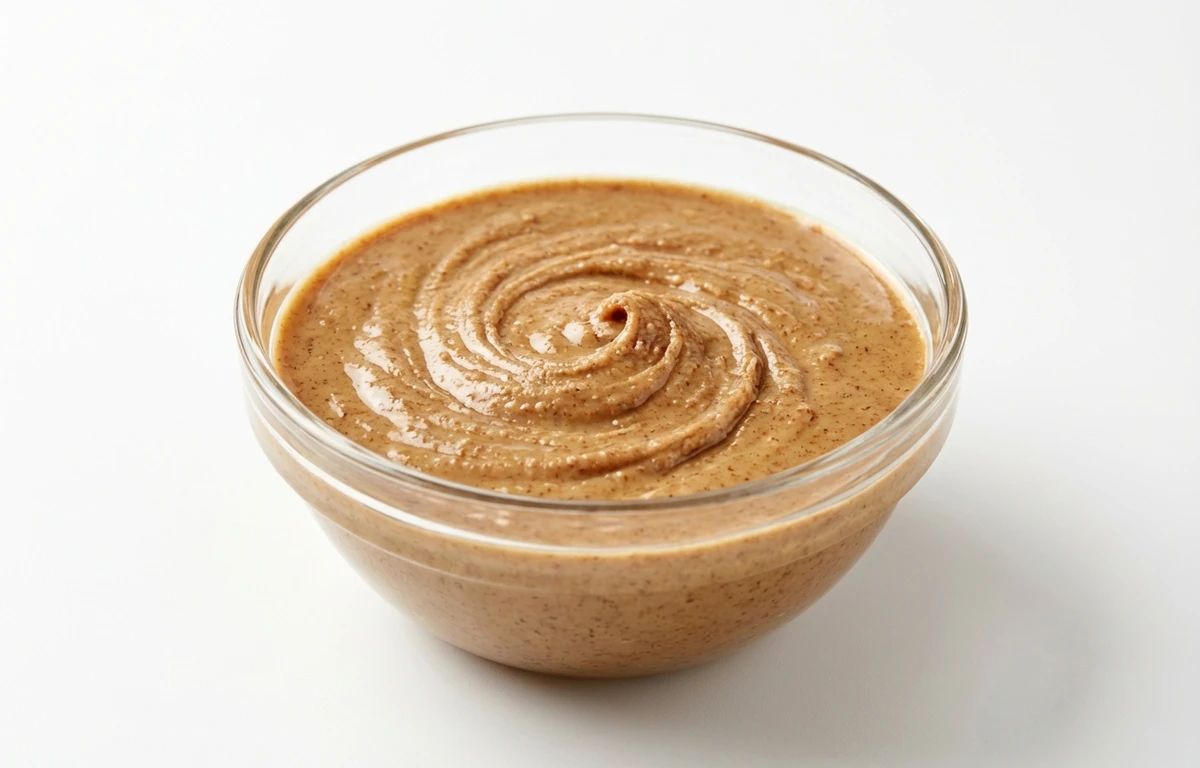
almond butter.
VegetarianVeganGluten-freeDairy-freeNut-freePeanut-freeSoy-freeEgg-freeShellfish-freeHoney-freeAlcohol-free
ALSO KNOWN AS
badam butter
SERVING
CALORIES
614
PROTEIN
21g
CARBS
18.8g
FAT
55.5g
FIBER
10.3g
NUTRITION PROFILE · per 100 g
Everything in this ingredient.
MACRONUTRIENTS
Calories614kcal—
Protein21g42%
Carbohydrates18.8g7%
Fiber10.3g37%
Sugar4.8g10%
Total fat55.5g71%
Saturated fat4.4g22%
Trans fat0g—
Cholesterol0mg0%
Water1.5g—
MINERALS
Sodium10mg0%
Potassium748mg16%
Calcium347mg27%
Iron3.5mg19%
Magnesium279mg66%
Phosphorus508mg41%
Zinc3.3mg30%
Copper1.0mg111%
Manganese2.2mg96%
Selenium2.5µg5%
VITAMINS
Vitamin A0µg0%
Vitamin C0mg0%
Vitamin D0µg0%
Vitamin E24.2mg161%
Vitamin K0µg0%
Thiamin (B1)0.06mg5%
Riboflavin (B2)0.90mg69%
Niacin (B3)3.4mg21%
Pantothenic acid (B5)0.30mg6%
Vitamin B60.10mg6%
Folate (B9)50µg13%
Vitamin B120µg0%
%DV based on a 2,000 cal diet. Source: USDA FoodData Central. A dash in the %DV column means there’s no established Daily Value for that nutrient.
MEASUREMENT CONVERSIONS
How much is what.
1 cup250g
1 tablespoon16g
1 teaspoon5g
1 oz28.4g
1 lb453.6g
1 ml1.1g
1 liter1050g
HEALTH BENEFITS
Why eat it.
- ✓Rich in Vitamin E which acts as a powerful antioxidant
- ✓High in monounsaturated fats which support heart health
- ✓Good source of magnesium which helps regulate blood pressure
- ✓Provides plant-based protein for muscle maintenance
- ✓Low glycemic index helps in managing blood sugar levels
COOKING TIPS
In the kitchen.
- 1Stir thoroughly before use as natural oil separation is common
- 2Use as a nutrient-dense thickener for smoothies and oatmeal
- 3Substitute for peanut butter in baking recipes at a 1:1 ratio
STORAGE
Keep it fresh.
- Store in a cool, dry place; refrigeration is recommended after opening to prevent rancidity
- Store the jar upside down to help redistribute natural oils
- Keep the lid tightly sealed to prevent the butter from drying out
FAQ
Frequently asked questions.
How long does almond butter last?
Unopened jars last up to a year. Once opened, it is best consumed within 3-6 months if refrigerated.
Why does the oil separate at the top?
Natural almond butter contains no emulsifiers, so the oil naturally separates from the solids. Simply stir it back in.
Can almond butter be frozen?
Yes, you can freeze almond butter for up to 6 months. Thaw it in the refrigerator and stir well before using.
What is the best substitute for almond butter?
Cashew butter or sunflower seed butter are the best substitutes. Peanut butter also works if nut allergies are not a concern.
Is almond butter healthier than peanut butter?
Almond butter generally has more Vitamin E, calcium, and magnesium, though both offer similar protein and calorie counts.
How can I tell if almond butter has gone bad?
Check for a sharp, bitter, or soapy smell (rancidity) and any visible mold or significant change in texture.
Is almond butter safe for those with peanut allergies?
While almonds are tree nuts and distinct from peanuts, many facilities process both. Check for 'cross-contamination' labels.
What should I look for when buying almond butter?
Look for brands where the only ingredient is 'almonds' or 'roasted almonds' to avoid added sugars and hydrogenated oils.
RECIPES
Cook with almond butter.
10 recipes · sorted by what’s quick