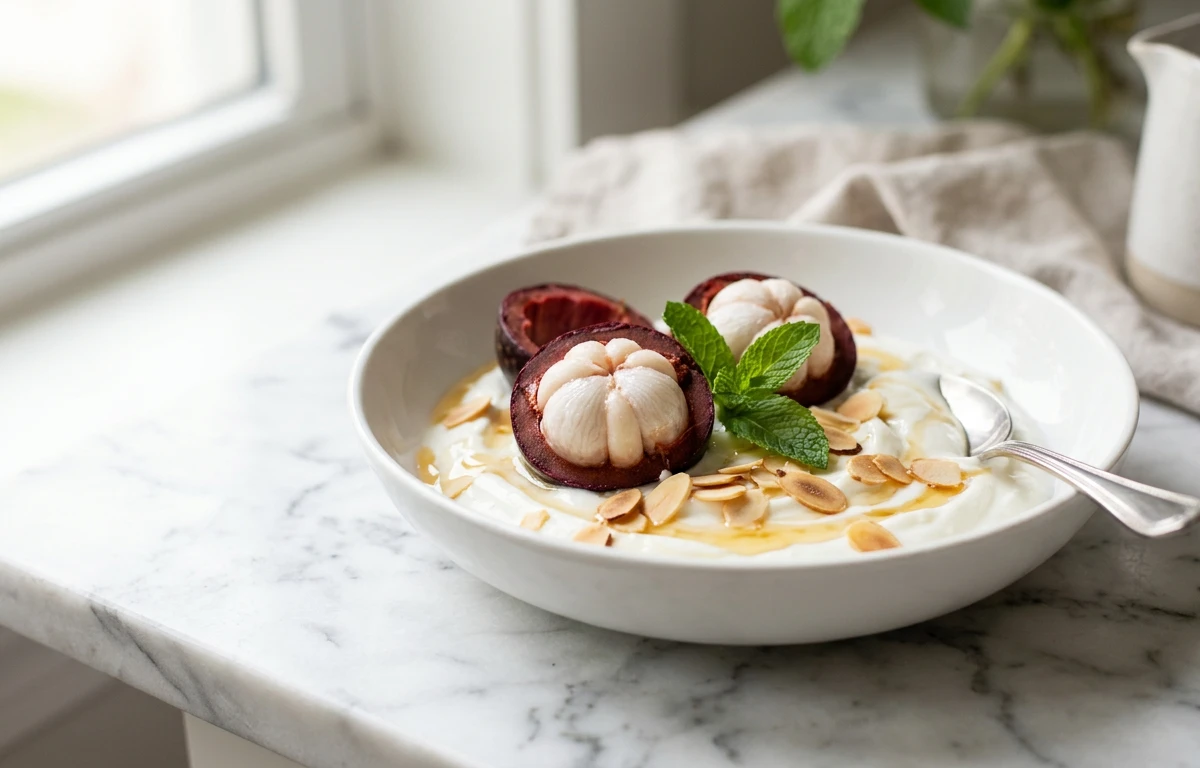
Nuts Seeds10 recipes
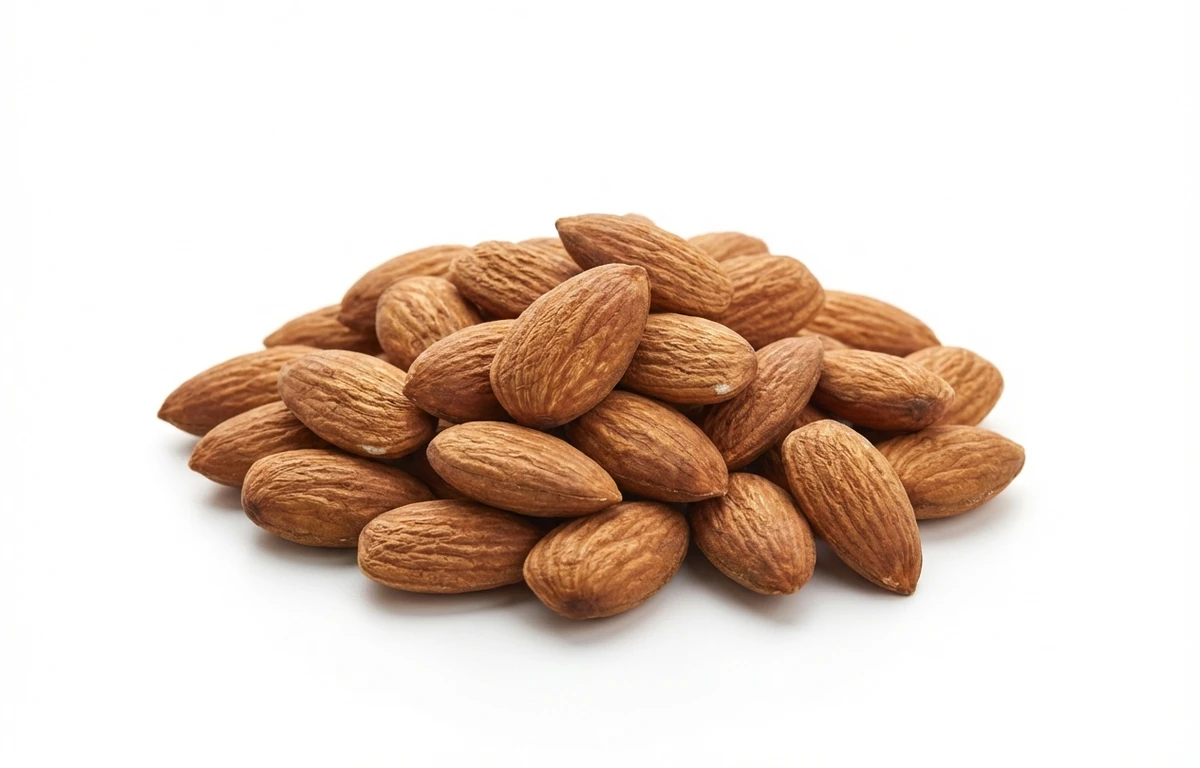
almonds.
VegetarianVeganGluten-freeDairy-freeNut-freePeanut-freeSoy-freeEgg-freeShellfish-freeHoney-freeAlcohol-free
ALSO KNOWN AS
sweet almondwhole almondprunus dulcisalmondraw whole almondsbadamunprocessed almondsalmondsraw almonds
SERVING
CALORIES
579
PROTEIN
21.2g
CARBS
21.7g
FAT
49.9g
FIBER
12.5g
NUTRITION PROFILE · per 100 g
Everything in this ingredient.
MACRONUTRIENTS
Calories579kcal—
Protein21.2g42%
Carbohydrates21.7g8%
Fiber12.5g45%
Sugar4.4g9%
Total fat49.9g64%
Saturated fat3.8g19%
Trans fat0g—
Cholesterol0mg0%
Water4.4g—
MINERALS
Sodium1.0mg0%
Potassium733mg16%
Calcium269mg21%
Iron3.7mg21%
Magnesium270mg64%
Phosphorus481mg38%
Zinc3.1mg28%
Copper1.0mg111%
Manganese2.2mg96%
Selenium4.1µg7%
VITAMINS
Vitamin A0µg0%
Vitamin C0mg0%
Vitamin D0µg0%
Vitamin E25.6mg171%
Vitamin K0µg0%
Thiamin (B1)0.20mg17%
Riboflavin (B2)1.1mg85%
Niacin (B3)3.6mg23%
Pantothenic acid (B5)0.50mg10%
Vitamin B60.10mg6%
Folate (B9)44µg11%
Vitamin B120µg0%
%DV based on a 2,000 cal diet. Source: USDA FoodData Central. A dash in the %DV column means there’s no established Daily Value for that nutrient.
MEASUREMENT CONVERSIONS
How much is what.
1 cup143g
1 tablespoon9g
1 teaspoon3g
1 oz28.4g
1 lb453.6g
1 piece1.2g
HEALTH BENEFITS
Why eat it.
- ✓High in Vitamin E which protects cells from oxidative damage
- ✓Rich in magnesium which helps with blood sugar control
- ✓Supports heart health by lowering LDL cholesterol levels
- ✓High fiber and protein content promotes satiety and weight management
- ✓Contains phosphorus and calcium for maintaining bone health
COOKING TIPS
In the kitchen.
- 1Toast lightly in a dry pan to enhance the nutty flavor and crunch
- 2Soak overnight and peel the skin to improve digestibility and texture
- 3Grind into a fine meal to use as a gluten-free flour substitute in baking
STORAGE
Keep it fresh.
- Store in an airtight container in a cool, dark place for up to 6 months
- Refrigerate to extend shelf life up to 1 year
- Freeze in moisture-proof bags for long-term storage up to 2 years
FAQ
Frequently asked questions.
How long do raw almonds last?
Raw almonds last about 6-12 months at room temperature if kept in an airtight container, and up to 2 years if frozen.
What is the best way to pick quality almonds?
Look for almonds that are uniform in color, plump, and smell sweet or nutty. Avoid those that look shriveled, have holes, or smell bitter/rancid.
What can I use as a substitute for almonds?
Walnuts, cashews, or hazelnuts are the best substitutes for texture. For nut-free options, use sunflower seeds or pumpkin seeds.
How do I remove the skin from almonds?
Blanch them by placing them in boiling water for 60 seconds, then drain and rinse with cold water; the skins should slip right off.
Are almonds high in calories?
Yes, almonds are calorie-dense due to their healthy fat content, providing about 579 calories per 100g.
Can almonds be frozen?
Yes, freezing almonds is an excellent way to preserve their freshness and prevent the oils from going rancid.
Why should I soak almonds before eating?
Soaking reduces tannins and phytic acid, which can improve nutrient absorption and make them easier to digest.
Are almonds a good source of protein?
Yes, they are an excellent plant-based protein source, containing about 21 grams of protein per 100 grams.
RECIPES
Cook with almonds.
10 recipes · sorted by what’s quick