Condiment10 recipes
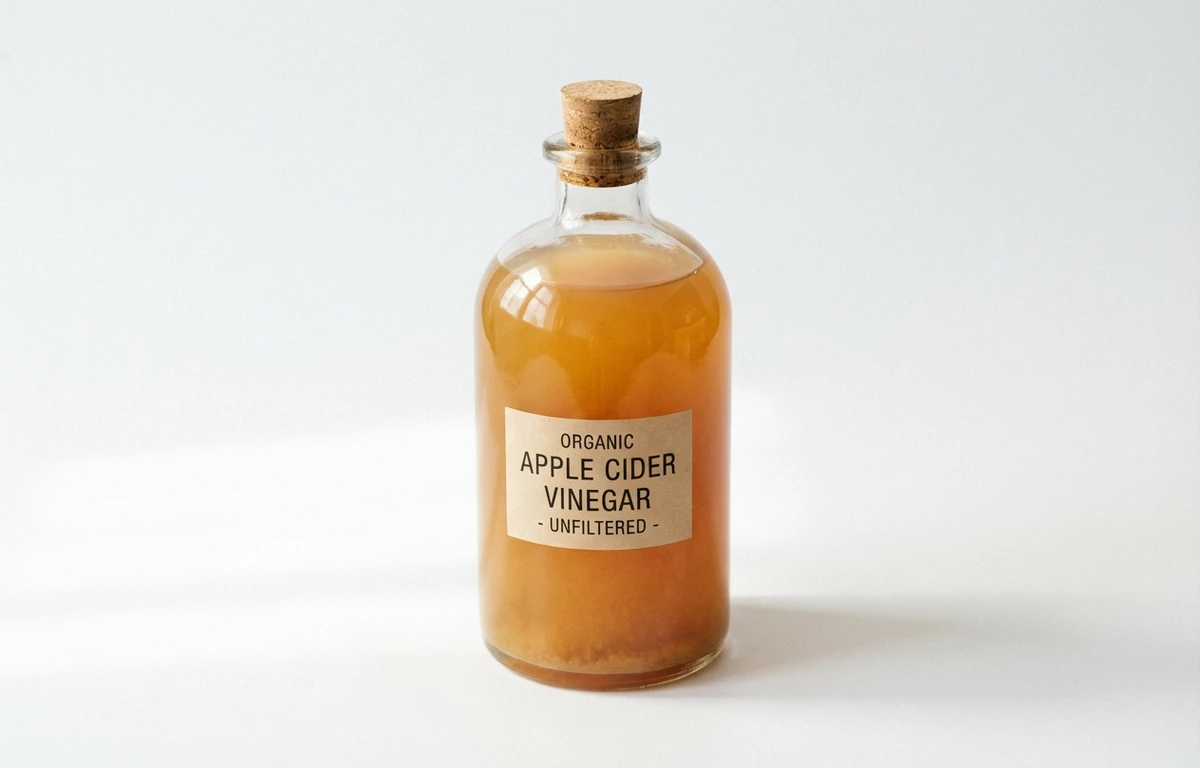
apple cider vinegar.
VegetarianVeganGluten-freeDairy-freeNut-freePeanut-freeSoy-freeEgg-freeShellfish-freeHoney-freeAlcohol-freeFermented
ALSO KNOWN AS
acvcider vinegarseb ka sirkavinagre de sidra de manzanaapple cider vinegar
SERVING
CALORIES
21
PROTEIN
0g
CARBS
0.93g
FAT
0g
FIBER
0g
NUTRITION PROFILE · per 100 g
Everything in this ingredient.
MACRONUTRIENTS
Calories21kcal—
Protein0g0%
Carbohydrates0.93g0%
Fiber0g0%
Sugar0.40g1%
Total fat0g0%
Saturated fat0g0%
Trans fat0g—
Cholesterol0mg0%
Water93.8g—
MINERALS
Sodium5.0mg0%
Potassium73mg2%
Calcium7.0mg1%
Iron0.20mg1%
Magnesium5.0mg1%
Phosphorus8.0mg1%
Zinc0.04mg0%
Copper0.01mg1%
Manganese0.25mg11%
Selenium0.10µg0%
VITAMINS
Vitamin A0µg0%
Vitamin C0mg0%
Vitamin D0µg0%
Vitamin E0mg0%
Vitamin K0µg0%
Thiamin (B1)0mg0%
Riboflavin (B2)0mg0%
Niacin (B3)0mg0%
Pantothenic acid (B5)0mg0%
Vitamin B60mg0%
Folate (B9)0µg0%
Vitamin B120µg0%
%DV based on a 2,000 cal diet. Source: USDA FoodData Central. A dash in the %DV column means there’s no established Daily Value for that nutrient.
MEASUREMENT CONVERSIONS
How much is what.
1 cup242.4g
1 tablespoon15.2g
1 teaspoon5.1g
1 oz28.6g
1 lb453.6g
1 ml1g
1 liter1010g
HEALTH BENEFITS
Why eat it.
- ✓May help lower blood sugar levels and manage diabetes
- ✓Contains acetic acid which can kill harmful bacteria
- ✓May aid in weight loss by increasing feelings of fullness
- ✓Can improve heart health by lowering cholesterol levels
- ✓Often used as a natural remedy for skin health and acid reflux
COOKING TIPS
In the kitchen.
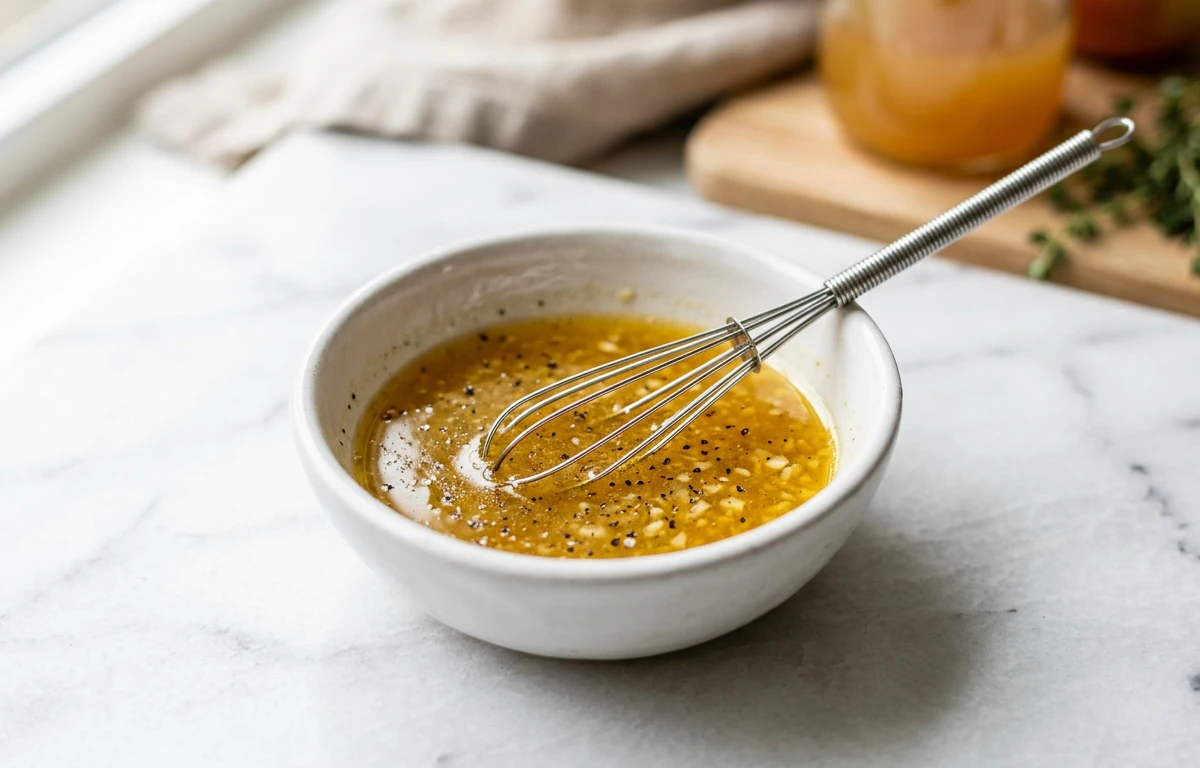
- 1Use in salad dressings and vinaigrettes for a tangy flavor
- 2Add to marinades to help tenderize meat and poultry
- 3Use a small amount in baking to help vegan cakes rise
STORAGE
Keep it fresh.
- Store in a cool, dark place away from direct sunlight
- Keep the bottle tightly capped to prevent evaporation
- Does not require refrigeration even after opening
FAQ
Frequently asked questions.
How long does apple cider vinegar last?
Apple cider vinegar has an almost indefinite shelf life due to its high acidity, though it is best used within 2-5 years for peak quality.
What is 'the mother' in apple cider vinegar?
The 'mother' is a colony of beneficial bacteria and yeast that gives raw ACV a cloudy appearance; it is considered the source of its probiotic benefits.
Can I substitute white vinegar for apple cider vinegar?
Yes, but white vinegar is more acidic and lacks the fruity undertones. Use slightly less white vinegar or add a pinch of sugar to balance the flavor.
Should I dilute apple cider vinegar before drinking it?
Yes, always dilute ACV (usually 1-2 tablespoons in a large glass of water) to prevent damage to tooth enamel and the esophagus.
Does apple cider vinegar need to be refrigerated?
No, the acidic nature of the vinegar makes it self-preserving, so it is shelf-stable at room temperature.
How do I pick a high-quality apple cider vinegar?
Look for 'raw', 'unfiltered', and 'unpasteurized' versions that contain 'the mother' for maximum health benefits.
Can apple cider vinegar be used for pickling?
Yes, it is excellent for pickling vegetables, though it will darken the color of the produce compared to white vinegar.
Is apple cider vinegar effective for weight loss?
Studies suggest it may increase satiety, leading to lower calorie intake, but it should be part of a broader healthy diet and exercise plan.
RECIPES
Cook with apple cider vinegar.
10 recipes · sorted by what’s quick