fruit8 recipes
Apricots.
VegetarianVeganGluten-freeDairy-freeNut-freePeanut-freeSoy-freeEgg-freeShellfish-freeHoney-freeAlcohol-free
ALSO KNOWN AS
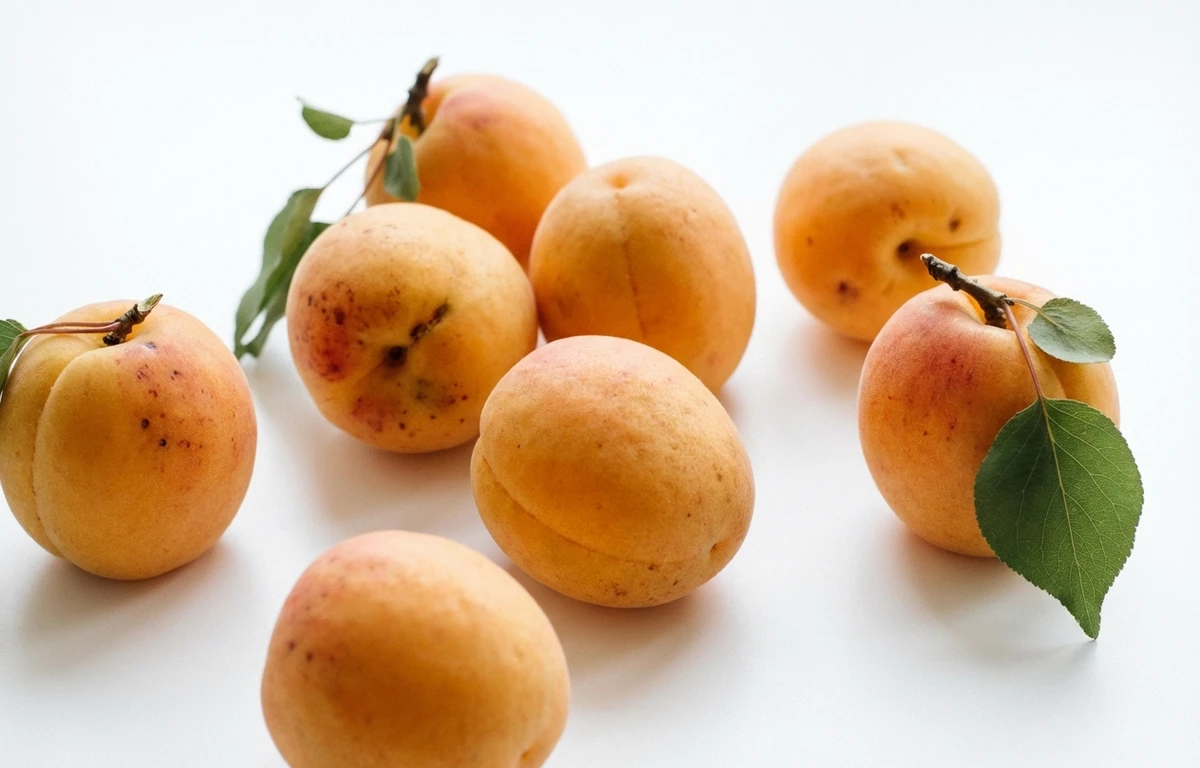
raw apricot
SERVING
CALORIES
48
PROTEIN
1.4g
CARBS
11.1g
FAT
0.40g
FIBER
2.0g
NUTRITION PROFILE · per 100 g
Everything in this ingredient.
MACRONUTRIENTS
Calories48kcal—
Protein1.4g3%
Carbohydrates11.1g4%
Fiber2.0g7%
Sugar9.2g18%
Total fat0.40g1%
Saturated fat0.03g0%
Cholesterol0mg0%
Water86.3g—
MINERALS
Sodium1.0mg0%
Potassium259mg6%
Calcium13mg1%
Iron0.39mg2%
Magnesium10mg2%
Phosphorus23mg2%
Zinc0.20mg2%
Copper0.07mg8%
Manganese0.08mg3%
Selenium0.10µg0%
VITAMINS
Vitamin A96µg11%
Vitamin C10mg11%
Vitamin D0µg0%
Vitamin E0.89mg6%
Vitamin K3.3µg3%
Thiamin (B1)0.03mg3%
Riboflavin (B2)0.04mg3%
Niacin (B3)0.60mg4%
Pantothenic acid (B5)0.24mg5%
Vitamin B60.05mg3%
Folate (B9)9.0µg2%
Vitamin B120µg0%
%DV based on a 2,000 cal diet. Source: USDA FoodData Central. A dash in the %DV column means there’s no established Daily Value for that nutrient.
MEASUREMENT CONVERSIONS
How much is what.
1 oz28.4g
1 lb453.6g
1 piece35g
HEALTH BENEFITS
Why eat it.
- ✓Rich in Vitamin A, supporting vision health.
- ✓Good source of dietary fiber, aiding digestion.
- ✓Contains antioxidants that protect cells from damage.
- ✓Provides potassium, important for heart health.
- ✓Hydrating due to high water content.
COOKING TIPS
In the kitchen.
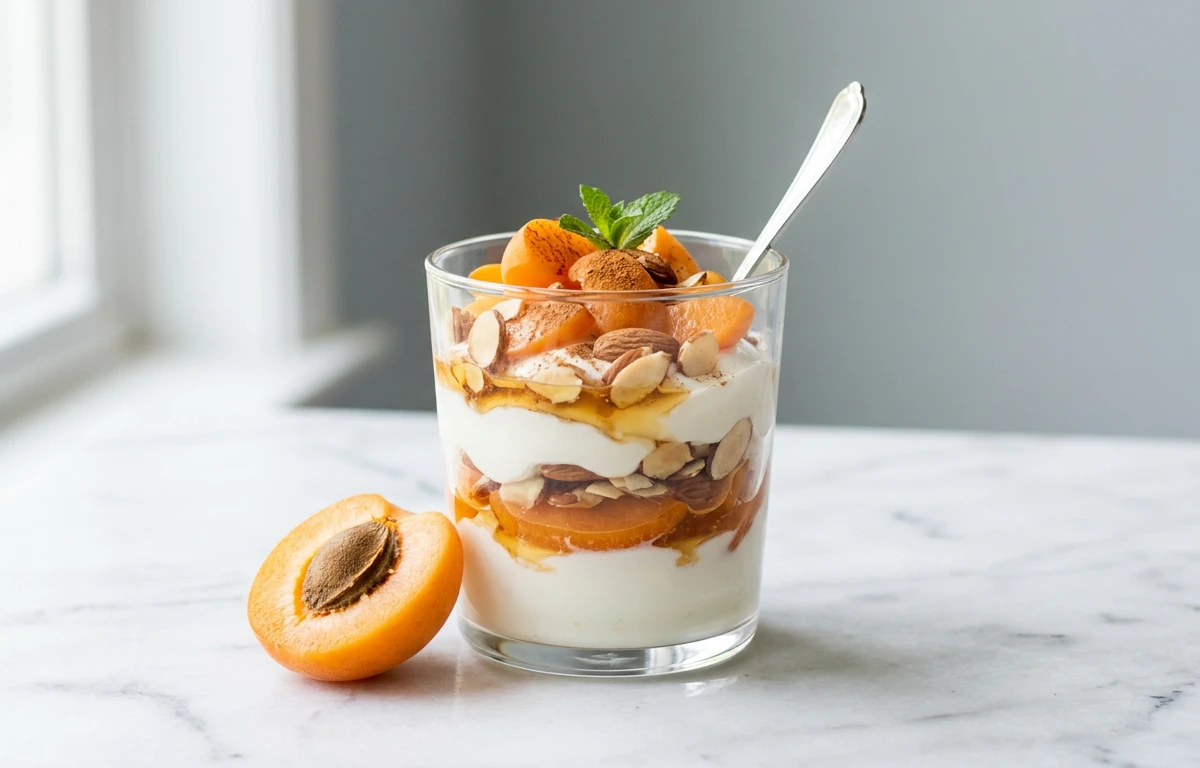
- 1Enjoy fresh as a snack or in fruit salads.
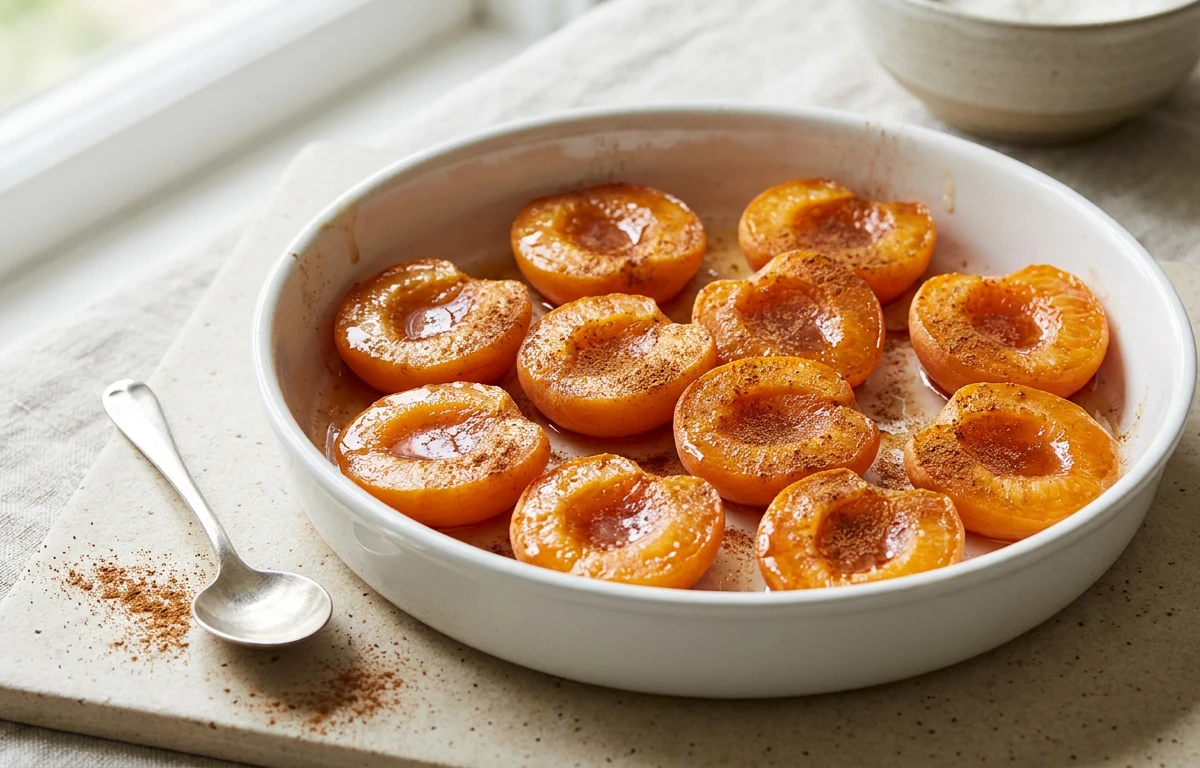
- 2Bake into pies, tarts, crumbles, or muffins.
- 3Use in jams, preserves, or chutneys for a sweet-tart flavor.
STORAGE
Keep it fresh.
- Store unripe apricots at room temperature until soft.
- Once ripe, refrigerate in a plastic bag for up to a week.
- For longer storage, apricots can be dried or frozen.
FAQ
Frequently asked questions.
Are apricots healthy?
Yes, apricots are highly nutritious. They are rich in Vitamin A for vision health, fiber for digestion, and antioxidants that protect cells from damage. They also provide potassium, which is essential for maintaining healthy heart function.
Are apricots good for weight loss?
Apricots are excellent for weight loss because they are low in calories, containing only 48 calories per 100g. Their high fiber and water content help you feel full longer, which can reduce overall calorie intake throughout the day.
Are apricots keto-friendly?
Apricots are moderately high in carbohydrates, with about 11.1g of carbs per 100g. While they can be included in a keto diet in small portions, they should be consumed sparingly compared to lower-carb fruits like berries.
What do apricots taste like?
Fresh apricots have a unique flavor profile that is both sweet and slightly tart. Their texture is smooth and velvety on the outside with a soft, juicy flesh that is less acidic than a plum but firmer than a peach.
Do I need to peel apricots before eating?
No, you do not need to peel apricots. The skin is thin, edible, and contains a significant portion of the fruit's fiber and nutrients. Simply wash the fruit thoroughly under cold water before eating.
How do you store fresh apricots?
Store firm apricots at room temperature until they are fully ripe. Once they feel soft to the touch, move them to the refrigerator in a breathable bag, where they will stay fresh for an additional 3 to 5 days.
How can you tell if an apricot is ripe?
A ripe apricot will have a deep orange-gold color rather than pale yellow or green. It should give slightly when gently squeezed and emit a fragrant, sweet aroma near the stem.
Are dried apricots as healthy as fresh ones?
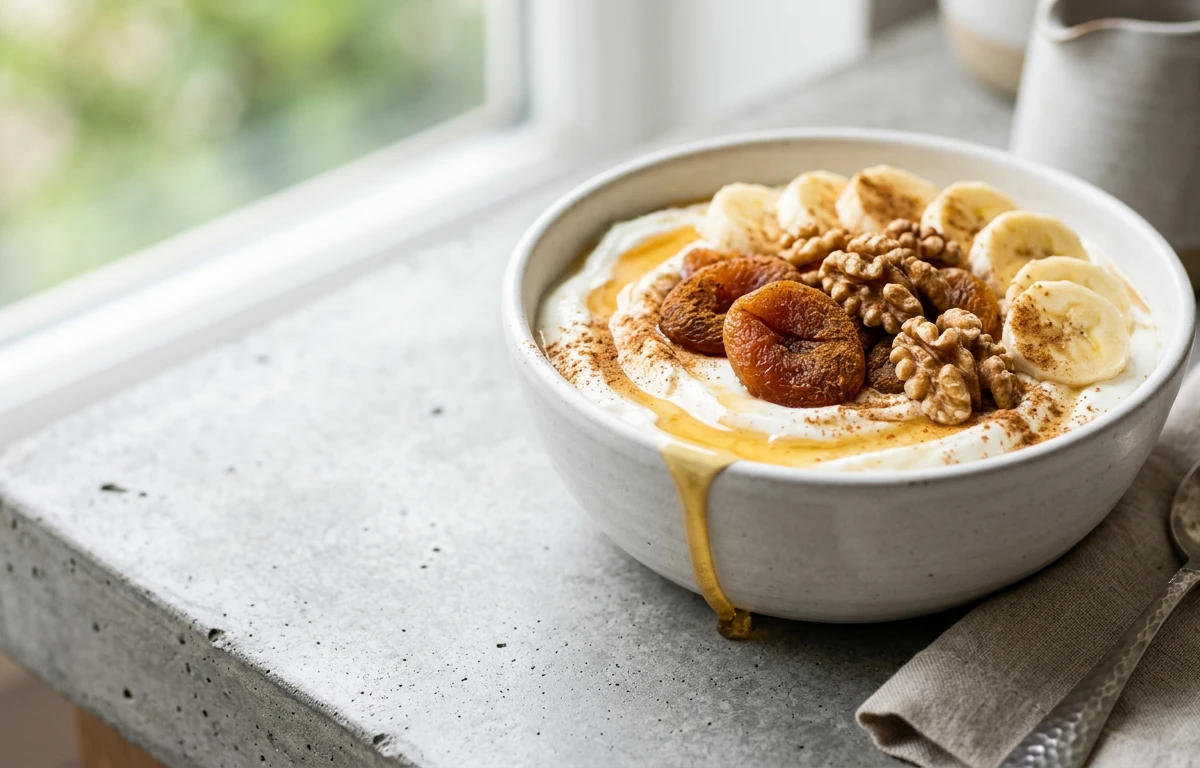
Dried apricots contain the same vitamins and minerals but are much more concentrated in sugar and calories because the water has been removed. While they are a great source of fiber, it is important to watch portion sizes to avoid excess sugar intake.
Can you eat the seed or kernel inside an apricot?
It is generally advised not to eat apricot kernels. They contain a compound called amygdalin, which the body converts into cyanide; consuming them can be toxic and potentially dangerous.
How can I use apricots in cooking?
Apricots are versatile and can be eaten raw, poached, grilled, or baked into desserts like tarts. They also pair exceptionally well with savory dishes, such as Moroccan tagines or roasted poultry, where their tartness balances rich, savory flavors.
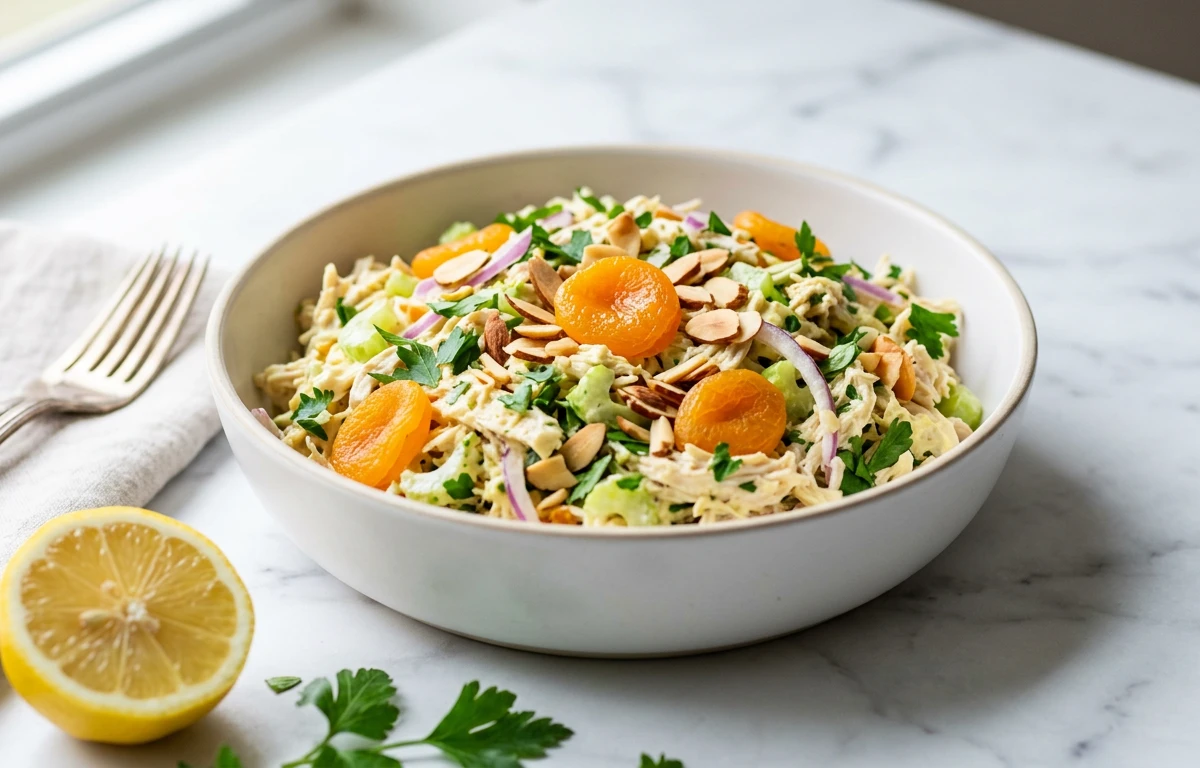
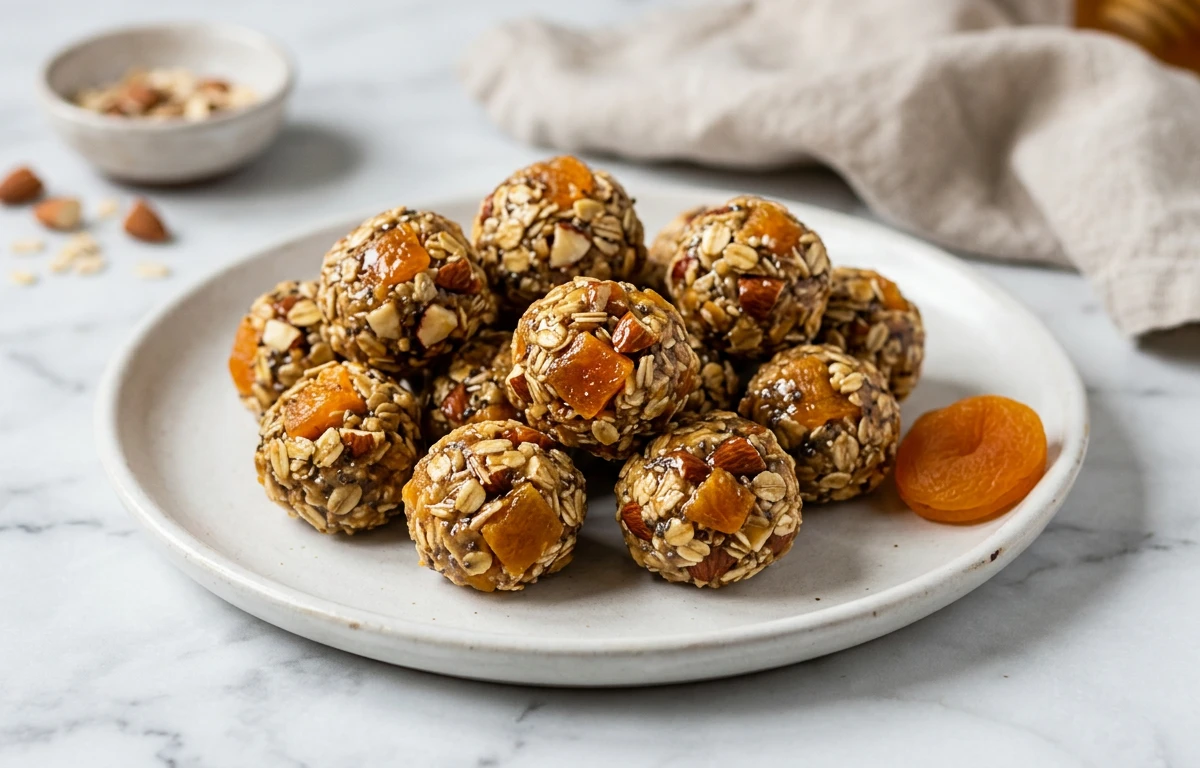
RECIPES
Cook with apricots.
8 recipes · sorted by what’s quick
.webp)