vegetable6 recipes
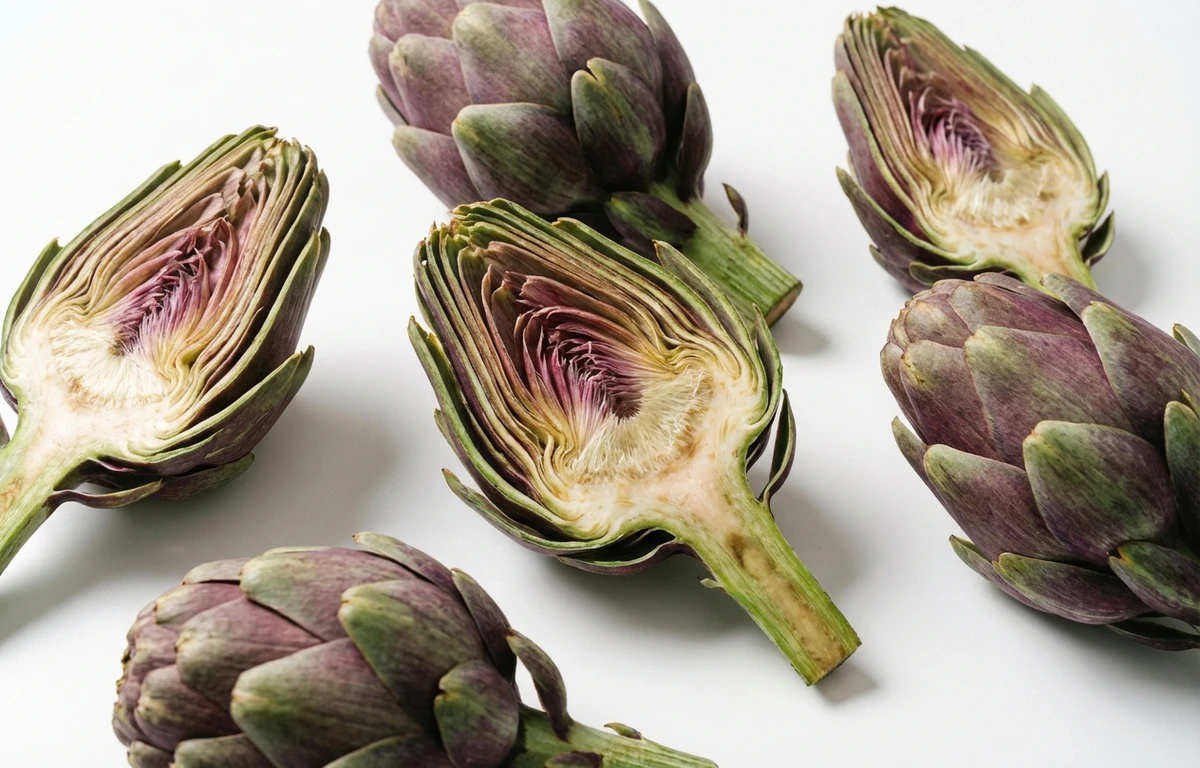
Artichoke Hearts.
VegetarianVeganGluten-freeDairy-freeNut-freePeanut-freeSoy-freeEgg-freeShellfish-freeHoney-freeAlcohol-free
SERVING
CALORIES
53
PROTEIN
3.3g
CARBS
11.8g
FAT
0.20g
FIBER
5.7g
This ingredient is flagged as naturally gluten-free. Per 100 g, it provides 14.8 µg of vitamin K.
NUTRITION PROFILE · per 100 g
Everything in this ingredient.
MACRONUTRIENTS
Calories53kcal—
Protein3.3g7%
Carbohydrates11.8g4%
Fiber5.7g20%
Sugar1.1g2%
Total fat0.20g0%
Saturated fat0.03g0%
Trans fat0g—
Cholesterol0mg0%
Water83.9g—
MINERALS
Sodium270mg12%
Potassium286mg6%
Calcium21mg2%
Iron0.90mg5%
Magnesium42mg10%
Phosphorus70mg6%
Zinc0.40mg4%
Copper0.11mg12%
Manganese0.26mg11%
Selenium0.30µg1%
VITAMINS
Vitamin A0µg0%
Vitamin C7.4mg8%
Vitamin D0µg0%
Vitamin E0.19mg1%
Vitamin K14.8µg12%
Thiamin (B1)0.07mg6%
Riboflavin (B2)0.07mg5%
Niacin (B3)0.80mg5%
Pantothenic acid (B5)0.15mg3%
Vitamin B60.09mg5%
Folate (B9)89µg22%
Vitamin B120µg0%
%DV based on a 2,000 cal diet. Source: USDA FoodData Central. A dash in the %DV column means there’s no established Daily Value for that nutrient.
MEASUREMENT CONVERSIONS
How much is what.
1 cup150g
1 oz3.5g
1 lb0.2g
1 piece25g
HEALTH BENEFITS
Why eat it.
- ✓May support liver health.
- ✓Good source of vitamins C and K, and folate.
- ✓Provides minerals like magnesium and potassium.
COOKING TIPS
In the kitchen.
- 1Drain well before use to remove excess brine or oil.
- 2Chop and add to salads, pasta dishes, or pizzas.
- 3Blend into dips like hummus or creamy spreads.
STORAGE
Keep it fresh.
- Store unopened cans/jars in a cool, dry place.
- Once opened, transfer unused artichoke hearts to an airtight container.
- Refrigerate opened artichoke hearts and consume within 3-5 days.
FAQ
Frequently asked questions.
How many calories and carbs are in artichoke hearts?
A 100g serving of artichoke hearts contains approximately 53 calories and 11.8g of carbohydrates. They also provide about 3.33g of protein and are virtually fat-free, making them a nutrient-dense vegetable choice.
Are artichoke hearts keto-friendly?
Artichoke hearts can be included in a keto diet in moderation. While they have 11.8g of carbs per 100g, a large portion of those carbs comes from fiber, which lowers the net carb count. Always check the labels of jarred versions for added sugars.
Are artichoke hearts vegan and gluten-free?
Naturally, artichoke hearts are both vegan and gluten-free. If you are buying them canned or marinated in jars, ensure the liquid or oil used does not contain cross-contaminants or animal-derived additives.
What do artichoke hearts taste like?
Artichoke hearts have a mild, earthy, and slightly nutty flavor with a subtle sweetness. Their texture is tender and creamy, similar to a cooked potato but with a more fibrous, vegetable-like consistency.
Can you eat artichoke hearts raw?
While most people eat them cooked, canned, or marinated, very fresh and tender artichoke hearts can be eaten raw if sliced very thinly. However, cooking them is more common as it softens the texture and improves digestibility.
How do you prepare canned or jarred artichoke hearts?
Canned or jarred hearts are usually pre-cooked and ready to eat. Simply drain and rinse them to remove excess sodium or brine, then toss them into salads, pasta, pizzas, or blend them into dips.
How should I store leftover artichoke hearts?
Once a can or jar is opened, transfer the hearts and their liquid to an airtight container and refrigerate. They will typically stay fresh for 3 to 5 days. Avoid leaving them in the original metal can after opening.
What are the main vitamins and minerals in artichoke hearts?
They are a good source of Vitamin C, Vitamin K, and folate. Additionally, they provide essential minerals such as magnesium and potassium, which are vital for heart health and muscle function.
Can I freeze artichoke hearts?
Yes, you can freeze cooked artichoke hearts. To maintain the best texture, blanch fresh hearts first or drain canned ones thoroughly, then store them in a freezer-safe bag for up to 6 to 8 months.
RECIPES
Cook with artichoke hearts.
6 recipes · sorted by what’s quick