Loading...
Per 100g
Nutrition data source: USDA FoodData Central
Common measurement equivalents in grams
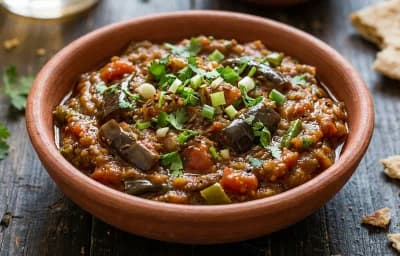
A smoky, mashed eggplant curry cooked with winter vegetables like green garlic and spring onions. This traditional Gujarati dish is a rustic and flavorful delight, perfect with bajra rotla or phulka.
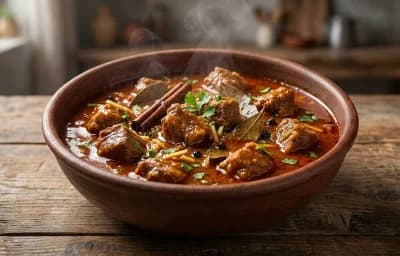
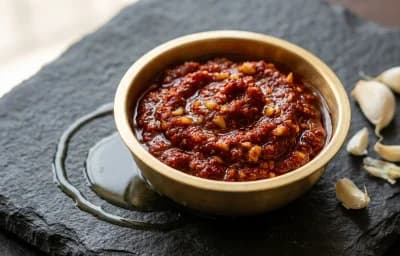
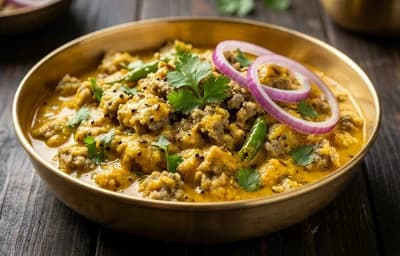
A fiery and aromatic mutton curry from the Kathiawar region of Gujarat. Tender mutton pieces are slow-cooked in a rustic gravy packed with garlic, onions, and a blend of traditional spices. This dish is perfect with bajra rotla or bhakri.
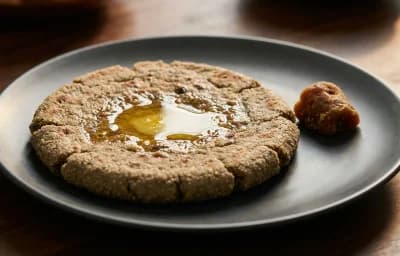
A rustic, gluten-free flatbread from Gujarat made with pearl millet flour. Traditionally patted by hand, its earthy, nutty flavor pairs wonderfully with a dollop of white butter, jaggery, or spicy vegetable curries.
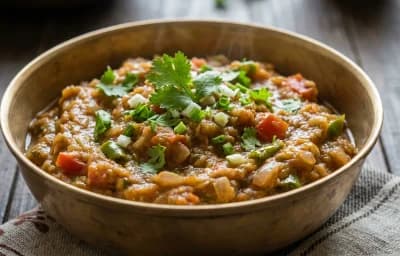
A classic Gujarati winter delicacy, this smoky roasted eggplant mash is cooked with fresh green garlic and spices. It's the perfect comfort food to enjoy with bajra rotla or phulka.
Yes, Bajra Rotla is highly nutritious as it is rich in fiber, iron, and magnesium. These nutrients support digestive health, heart function, and energy levels, making it a superior alternative to refined grain breads.
A 100g serving contains approximately 220 calories, 7.5g of protein, 42g of carbohydrates, and 4g of fat. It is a dense source of complex carbohydrates that provide sustained energy throughout the day.
Yes, Bajra (pearl millet) is naturally gluten-free. This makes Bajra Rotla an excellent dietary staple for individuals with celiac disease or those who have a sensitivity to gluten.
Yes, Bajra Rotla is beneficial for diabetics because it has a low glycemic index. This helps in the slow release of glucose into the bloodstream, preventing sudden spikes in blood sugar levels.
Bajra Rotla can aid weight loss due to its high fiber content, which promotes satiety and keeps you feeling full for longer. This helps reduce overeating and unnecessary snacking between meals.
The basic ingredients of Bajra Rotla—pearl millet flour and water—are vegan. However, it is traditionally served with ghee (clarified butter), so ensure you omit the ghee if you follow a strictly vegan diet.
Bajra Rotla has a distinct, earthy, and slightly nutty flavor. Its texture is much denser and more rustic than a standard wheat roti, providing a hearty mouthfeel that pairs well with spicy curries.
Bajra Rotla is a versatile ingredient found in cuisines around the world. With 220 calories per 100g and 7.5 grams of protein, it's a nutritious addition to many dishes.
Explore more ingredients in the grain product category with complete nutrition information.
View all grain product →Discover 1 recipes featuring bajra rotla with step-by-step instructions.
Browse recipes →It is made by kneading pearl millet flour with warm water into a soft dough, then patting it into a thick disc by hand. It is typically cooked on a clay or iron griddle until it develops brown spots and a slightly crisp exterior.
Store leftovers in an airtight container or wrapped in a clean kitchen towel to prevent them from becoming brittle. They stay fresh at room temperature for about 24 hours or in the refrigerator for up to 3 days.
To prevent it from hardening, reheat the rotla on a hot tawa (griddle) with a few drops of water or a little oil. Alternatively, wrap it in a damp paper towel and microwave it for 20-30 seconds to restore moisture.