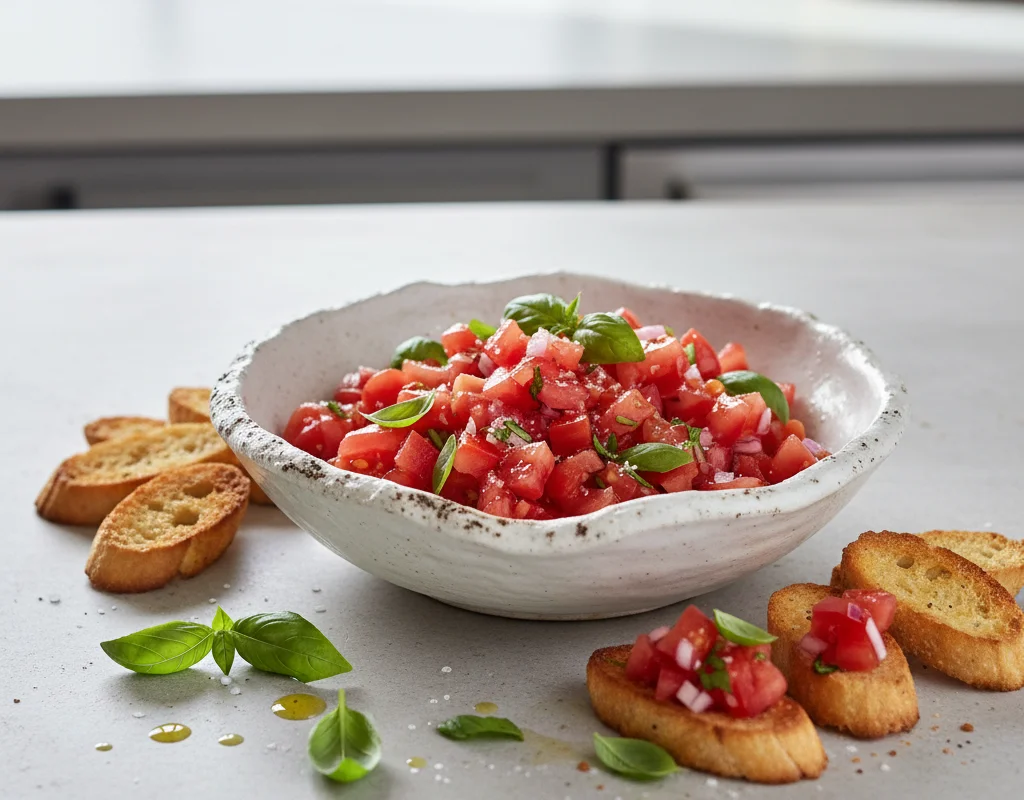
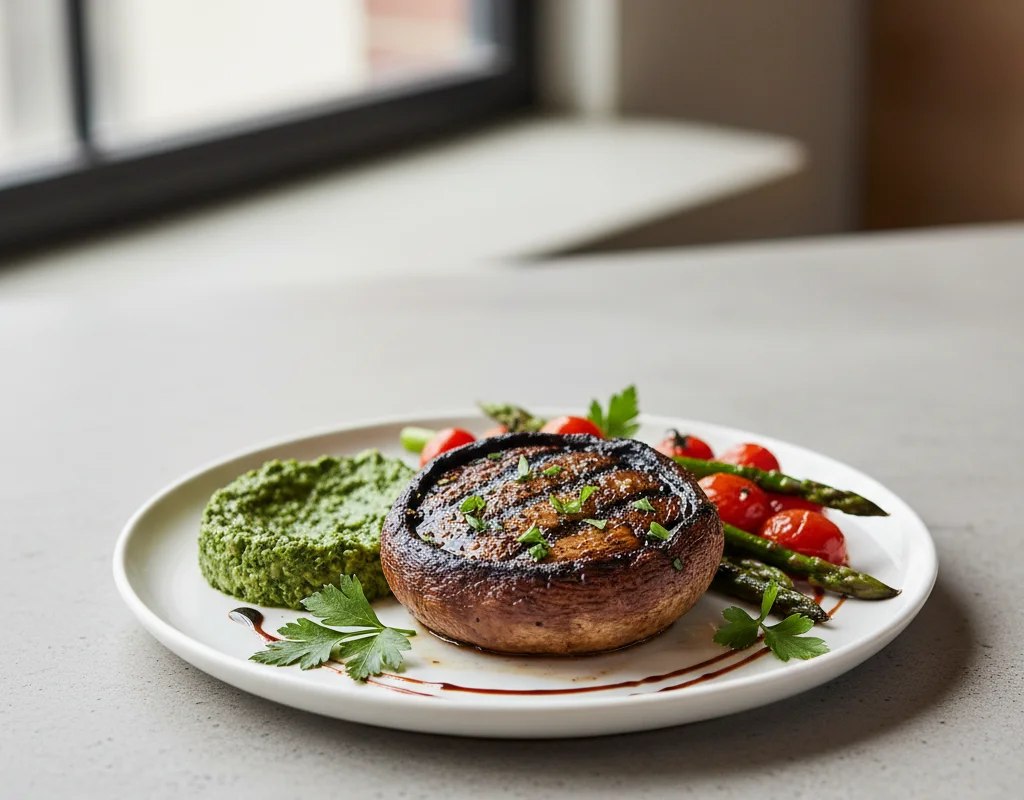
Condiment10 recipes
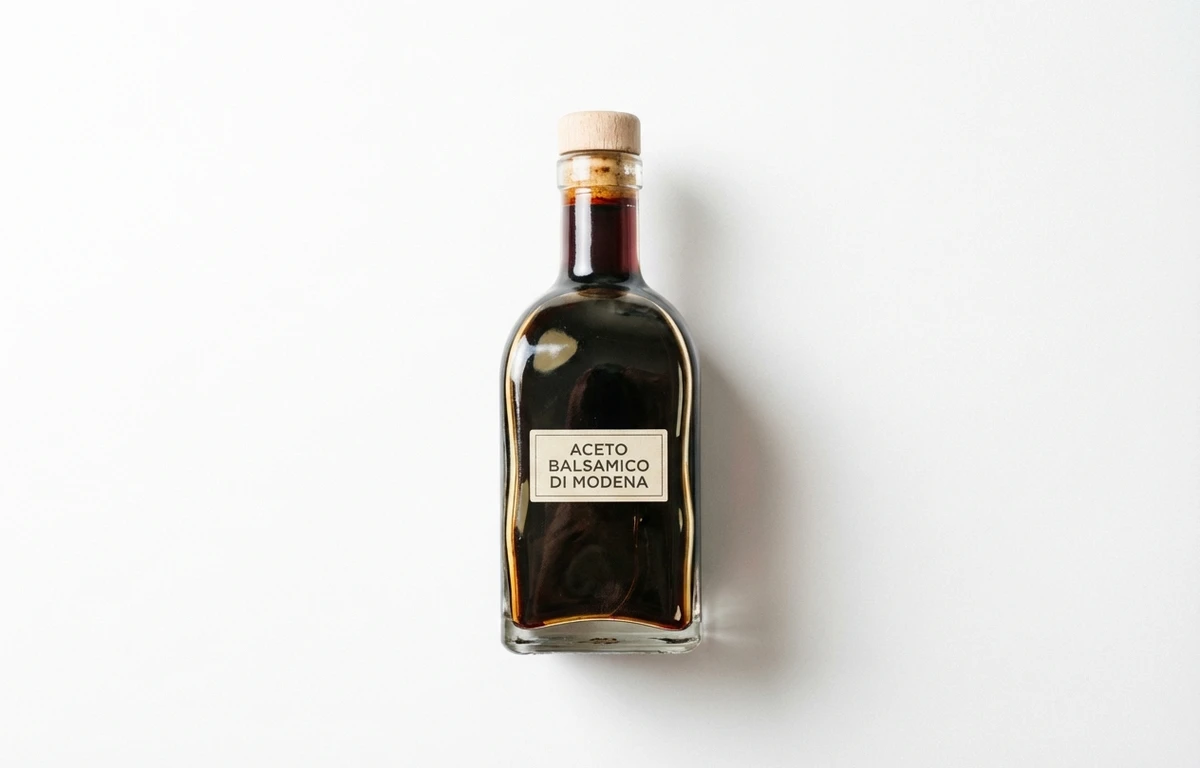
balsamic vinegar.
VegetarianVeganGluten-freeDairy-freeNut-freePeanut-freeSoy-freeEgg-freeShellfish-freeHoney-freeAlcohol-freeFermented
ALSO KNOWN AS
aceto balsamicobalsamicitalian balsamic vinegarbalsamic vinegar of modena
SERVING
CALORIES
88
PROTEIN
0.50g
CARBS
17g
FAT
0g
FIBER
0g
NUTRITION PROFILE · per 100 g
Everything in this ingredient.
MACRONUTRIENTS
Calories88kcal—
Protein0.50g1%
Carbohydrates17g6%
Fiber0g0%
Sugar15g30%
Total fat0g0%
Saturated fat0g0%
Trans fat0g—
Cholesterol0mg0%
Water76.5g—
MINERALS
Sodium23mg1%
Potassium112mg2%
Calcium27mg2%
Iron0.70mg4%
Magnesium12mg3%
Phosphorus19mg2%
Zinc0.08mg1%
Copper0.03mg3%
Manganese0.13mg6%
Selenium0.30µg1%
VITAMINS
Vitamin A0µg0%
Vitamin C0mg0%
Vitamin D0µg0%
Vitamin E0mg0%
Vitamin K0µg0%
Thiamin (B1)0mg0%
Riboflavin (B2)0.01mg1%
Niacin (B3)0.10mg1%
Pantothenic acid (B5)0.03mg1%
Vitamin B60.02mg1%
Folate (B9)0µg0%
Vitamin B120µg0%
%DV based on a 2,000 cal diet. Source: USDA FoodData Central. A dash in the %DV column means there’s no established Daily Value for that nutrient.
MEASUREMENT CONVERSIONS
How much is what.
1 cup264g
1 tablespoon16.5g
1 teaspoon5.5g
1 oz31.2g
1 lb453.6g
1 ml1.1g
1 liter1100g
HEALTH BENEFITS
Why eat it.
- ✓Contains polyphenols that act as antioxidants
- ✓May help support healthy digestion
- ✓Can aid in blood sugar regulation when consumed with meals
- ✓Low-calorie alternative to creamy salad dressings
- ✓May help lower cholesterol levels
COOKING TIPS
In the kitchen.
- 1Simmer on low heat to create a thick, sweet balsamic glaze
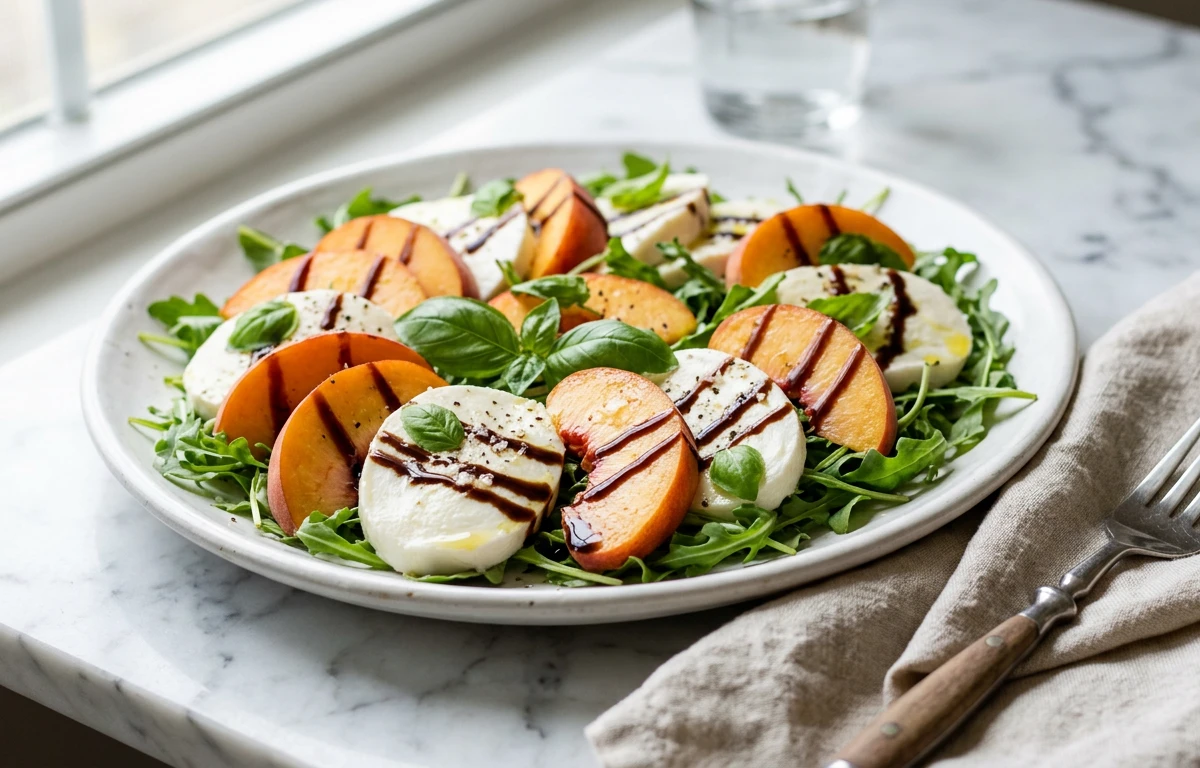
- 2Drizzle over fresh strawberries or peaches for a gourmet dessert
- 3Add a splash to tomato-based sauces to balance acidity with sweetness
STORAGE
Keep it fresh.
- Store in a cool, dark place away from direct sunlight
- Keep the bottle tightly sealed to prevent evaporation
- Does not require refrigeration even after opening
FAQ
Frequently asked questions.
How long does balsamic vinegar last?
Balsamic vinegar has an almost indefinite shelf life due to its acidity, though it is best used within 3-5 years for peak flavor.
Does balsamic vinegar need to be refrigerated?
No, refrigeration is not necessary. A cool, dark pantry is the ideal storage environment.
What is the difference between cheap and expensive balsamic?
Traditional balsamic is aged for 12+ years and made only from grape must, while commercial versions often contain wine vinegar and caramel coloring.
Is balsamic vinegar gluten-free?
Yes, pure balsamic vinegar is made from grapes and is naturally gluten-free.
What can I use as a substitute for balsamic vinegar?
A mix of red wine vinegar with a pinch of sugar or honey is the best substitute.
Can balsamic vinegar be used for weight loss?
It is a low-calorie condiment that can replace high-fat dressings, making it helpful for calorie control.
How do I pick a high-quality balsamic vinegar?
Look for 'Aceto Balsamico Tradizionale' on the label and check that grape must is the first ingredient.
Can I freeze balsamic vinegar?
Freezing is not recommended as it can alter the complex flavor profile and consistency.
Is balsamic vinegar high in sugar?
It contains more sugar than other vinegars (about 2-3g per tablespoon) because it is made from concentrated grape must.
RECIPES
Cook with balsamic vinegar.
10 recipes · sorted by what’s quick