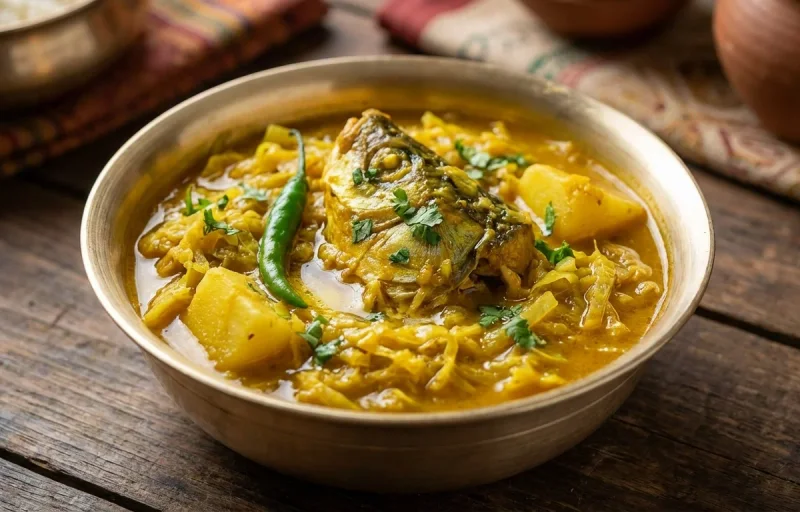
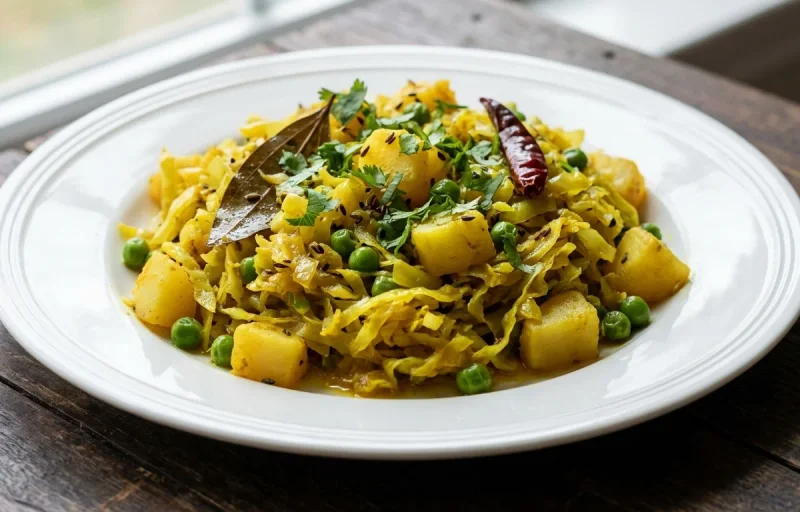
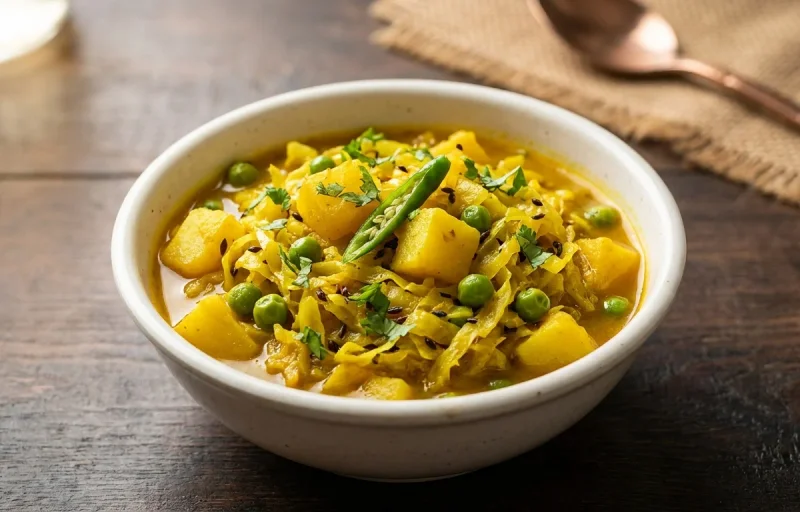
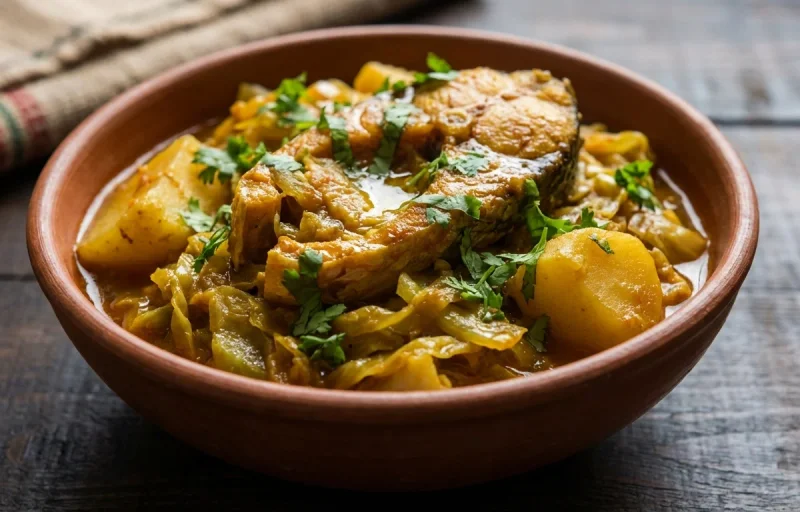
vegetable
bandhakobi.
VegetarianVeganGluten-freeDairy-freeNut-freePeanut-freeSoy-freeEgg-freeShellfish-freeHoney-freeAlcohol-freeHalalKosher
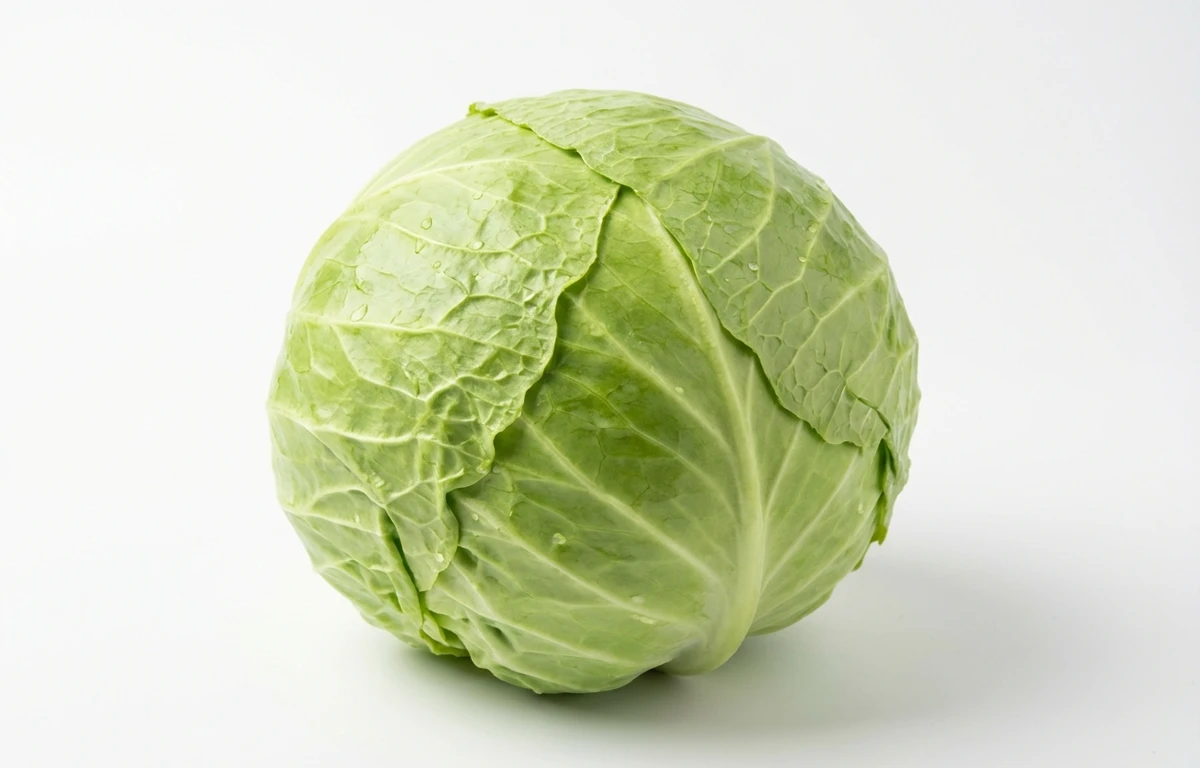
SERVING
CALORIES
25
PROTEIN
1.3g
CARBS
5.8g
FAT
0.10g
FIBER
2.5g
This ingredient is flagged as naturally gluten-free. Per 100 g, it provides 76 µg of vitamin K.
NUTRITION PROFILE · per 100 g
Everything in this ingredient.
MACRONUTRIENTS
Calories25kcal—
Protein1.3g3%
Carbohydrates5.8g2%
Fiber2.5g9%
Sugar3.2g6%
Total fat0.10g0%
Saturated fat0.01g0%
Trans fat0g—
Cholesterol0mg0%
Water92.2g—
MINERALS
Sodium18mg1%
Potassium170mg4%
Calcium40mg3%
Iron0.47mg3%
Magnesium12mg3%
Phosphorus26mg2%
Zinc0.18mg2%
Copper0.02mg2%
Manganese0.16mg7%
Selenium0.30µg1%
VITAMINS
Vitamin A5.0µg1%
Vitamin C36.6mg41%
Vitamin D0µg0%
Vitamin E0.15mg1%
Vitamin K76µg63%
Thiamin (B1)0.06mg5%
Riboflavin (B2)0.04mg3%
Niacin (B3)0.23mg1%
Pantothenic acid (B5)0.21mg4%
Vitamin B60.12mg7%
Folate (B9)43µg11%
Vitamin B120µg0%
%DV based on a 2,000 cal diet. Source: USDA FoodData Central. A dash in the %DV column means there’s no established Daily Value for that nutrient.
MEASUREMENT CONVERSIONS
How much is what.
1 cup100g
HEALTH BENEFITS
Why eat it.
- ✓High in insoluble fiber, which promotes regular bowel movements and supports digestive health.
COOKING TIPS
In the kitchen.
- 1To retain a crisp texture and avoid a strong sulfurous smell, avoid overcooking. Quick methods like stir-frying, steaming, or sautéing are ideal.
- 2For salads and slaws, shred the cabbage finely and let it sit with salt or dressing for about 15-20 minutes to soften the leaves and make them more tender.
- 3The large outer leaves are excellent for use as wraps or for making stuffed cabbage rolls. Blanch them briefly in boiling water to make them pliable before filling.
- 4Cabbage pairs well with acidic ingredients like vinegar or lemon juice, which can brighten its flavor and, in the case of red cabbage, help preserve its vibrant color during cooking.
STORAGE
Keep it fresh.
- Store a whole, unwashed head of cabbage in the crisper drawer of your refrigerator, where it can last for several weeks up to two months.
- Once cut, wrap the remaining cabbage tightly in plastic wrap or store it in an airtight container in the refrigerator and use within 2-3 days to maintain freshness and nutrient content.
FAQ
Frequently asked questions.
Is bandhakobi keto-friendly?
Yes, bandhakobi is keto-friendly. With only 5.8g of total carbohydrates per 100g and a significant portion of that being fiber, it has a low net carb count that fits well within a ketogenic or low-carb diet.
Can I eat bandhakobi raw?
Yes, bandhakobi can be eaten raw and is commonly used in salads, coleslaws, and as a crunchy topping. Eating it raw preserves its high Vitamin C content, which can be partially lost during the cooking process.
How do you store bandhakobi to keep it fresh?
Store a whole head of bandhakobi in the crisper drawer of your refrigerator, ideally in a perforated plastic bag. It can stay fresh for up to two weeks. Once cut, wrap the remaining portion tightly in plastic wrap and use it within 2-3 days.
What does bandhakobi taste like?
Raw bandhakobi has a mild, slightly peppery, and crunchy profile. When cooked, it becomes sweeter and softer. If overcooked, it can develop a strong, sulfurous smell and taste, so brief cooking is often preferred.
Is bandhakobi vegan and gluten-free?
Yes, bandhakobi is a natural vegetable and is 100% vegan and gluten-free. It is a versatile ingredient for those with dietary restrictions and can even be used as a gluten-free substitute for wraps or noodles.
How do you know if bandhakobi has gone bad?
Fresh bandhakobi should be firm and heavy for its size with crisp leaves. If the leaves become limp, slimy, or develop dark brown or black spots, or if the vegetable emits a strong, unpleasant odor, it has likely spoiled.
What is the best way to cook bandhakobi to retain nutrients?
To retain the most nutrients, avoid boiling bandhakobi for long periods. Instead, try steaming, sautéing, or stir-frying it quickly. These methods preserve the Vitamin C and sulforaphane content while maintaining a pleasant texture.
RECIPES
Cook with bandhakobi.
0 recipes · sorted by what’s quick