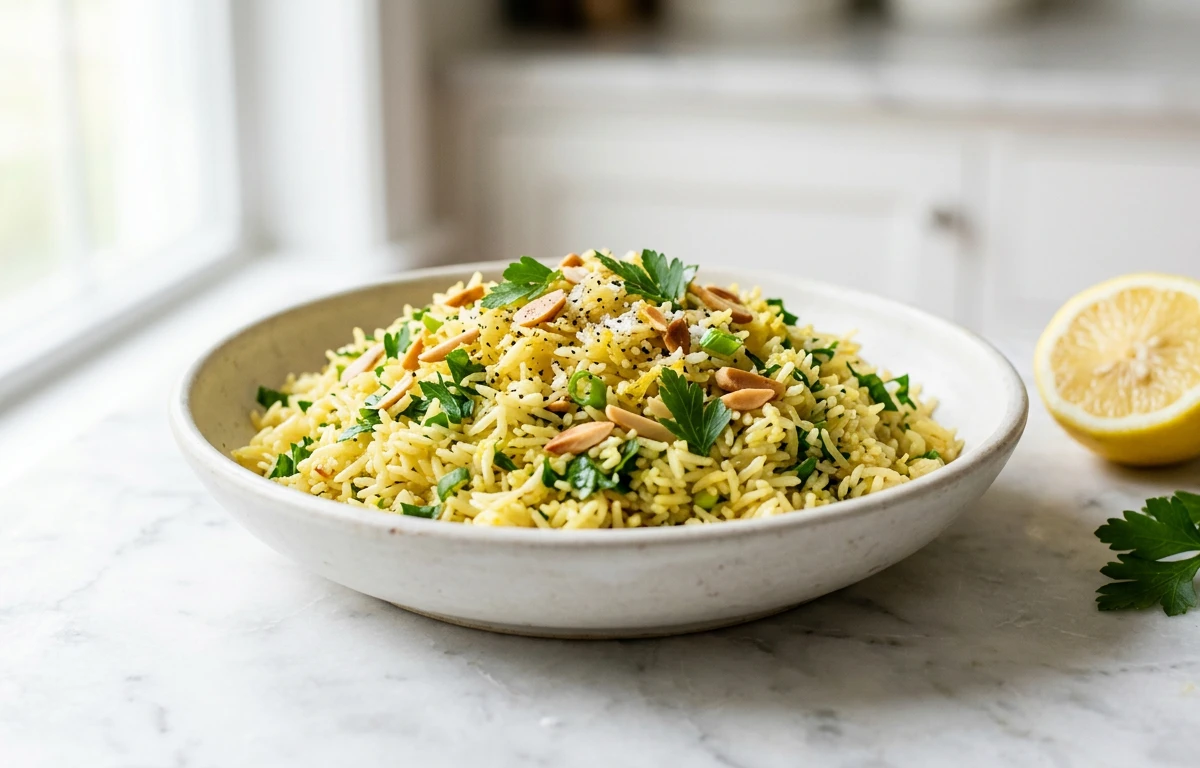
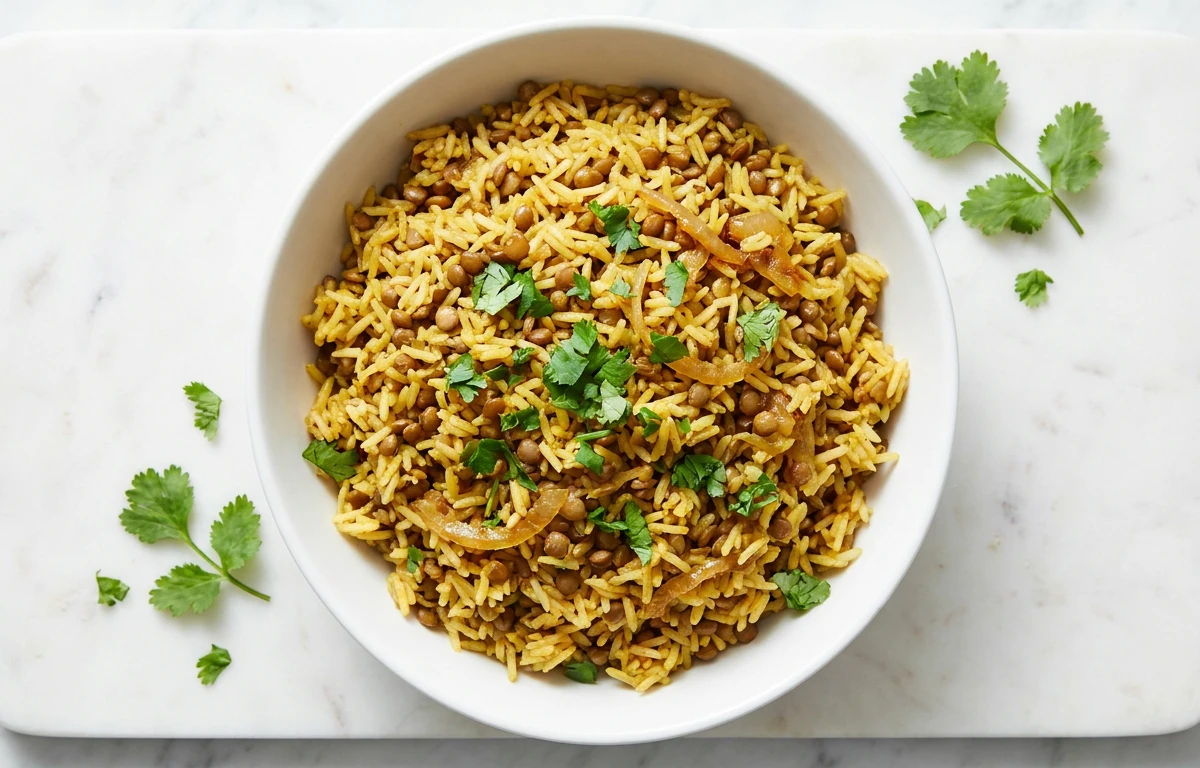
Grain10 recipes
basmati rice.
VegetarianVeganGluten-freeDairy-freeNut-freePeanut-freeSoy-freeEgg-freeShellfish-freeHoney-freeAlcohol-free
ALSO KNOWN AS
Indian long-grain ricefragrant riceसुगंधित चावलbasmati
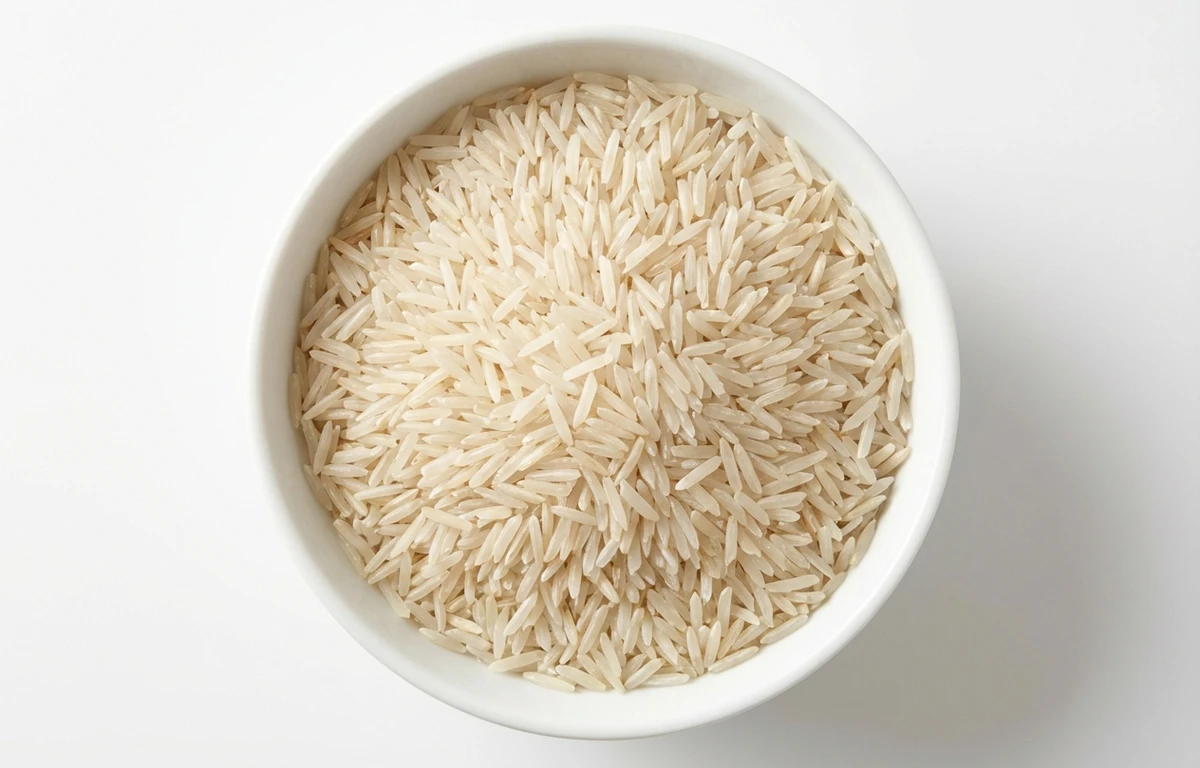
SERVING
CALORIES
365
PROTEIN
7.1g
CARBS
79.9g
FAT
0.60g
FIBER
1.3g
NUTRITION PROFILE · per 100 g
Everything in this ingredient.
MACRONUTRIENTS
Calories365kcal—
Protein7.1g14%
Carbohydrates79.9g29%
Fiber1.3g5%
Sugar0.10g0%
Total fat0.60g1%
Saturated fat0.20g1%
Trans fat0g—
Cholesterol0mg0%
Water11.6g—
MINERALS
Sodium5.0mg0%
Potassium115mg2%
Calcium28mg2%
Iron1.2mg7%
Magnesium25mg6%
Phosphorus115mg9%
Zinc1.1mg10%
Copper0.15mg17%
Manganese1.1mg48%
Selenium15.1µg27%
VITAMINS
Vitamin A0µg0%
Vitamin C0mg0%
Vitamin D0µg0%
Vitamin E0.11mg1%
Vitamin K0µg0%
Thiamin (B1)0.07mg6%
Riboflavin (B2)0.05mg4%
Niacin (B3)1.6mg10%
Pantothenic acid (B5)1.0mg20%
Vitamin B60.16mg9%
Folate (B9)20µg5%
Vitamin B120µg0%
%DV based on a 2,000 cal diet. Source: USDA FoodData Central. A dash in the %DV column means there’s no established Daily Value for that nutrient.
MEASUREMENT CONVERSIONS
How much is what.
1 cup185g
1 tablespoon12.5g
1 teaspoon4.2g
1 ml0.8g
1 liter833.3g
HEALTH BENEFITS
Why eat it.
- ✓Has a lower glycemic index (50-58) compared to other white rice varieties, causing a slower, more gradual increase in blood sugar levels.
- ✓Provides a good source of carbohydrates for sustained energy.
- ✓Naturally gluten-free, making it a safe and suitable grain for individuals with celiac disease or gluten sensitivity.
- ✓Enriched varieties are often fortified with essential B vitamins, such as thiamine and niacin, which are important for metabolism.
COOKING TIPS
In the kitchen.
- 1Rinse the rice under cold running water until the water runs clear to remove excess surface starch, which helps prevent clumping.
- 2For extra-long, fluffy grains, soak the rinsed rice in cold water for 30 minutes before cooking. This allows the grains to absorb water evenly.
- 3Use a precise water-to-rice ratio, typically 1.5 cups of water for every 1 cup of rice. Bring to a boil, then cover and simmer on the lowest heat for 10-12 minutes.
- 4After cooking, let the rice rest, covered and off the heat, for at least 5-10 minutes. Fluff gently with a fork before serving to separate the grains.
STORAGE
Keep it fresh.
- Store uncooked basmati rice in an airtight container in a cool, dark, and dry place. It can be stored indefinitely under proper conditions.
- Cooked rice should be cooled rapidly and stored in an airtight container in the refrigerator for up to 4 days to prevent bacterial growth.
FAQ
Frequently asked questions.
Is basmati rice healthy?
Yes, basmati rice is a healthy source of complex carbohydrates and essential B vitamins like thiamine and niacin. It is unique among white rices for having a lower glycemic index, which helps in maintaining more stable blood sugar levels.
How many calories and carbs are in basmati rice?
A 100g serving of dry basmati rice contains approximately 365 calories and 79.9g of carbohydrates. It also provides about 7.1g of protein and is very low in fat, containing only 0.6g per serving.
Is basmati rice suitable for diabetics?
Basmati rice is often a better choice for diabetics than other white rice varieties because its glycemic index (50-58) is in the low-to-medium range. This results in a slower, more gradual increase in blood sugar levels, though portion control remains important.
Is basmati rice gluten-free?
Yes, basmati rice is naturally gluten-free. It is a safe and nutritious grain option for individuals with celiac disease or those who have a gluten sensitivity.
Is basmati rice vegan?
Yes, basmati rice is a plant-based grain and is 100% vegan. It is a versatile staple used in many vegan cuisines as a base for vegetables, legumes, and plant-based proteins.
How do you cook basmati rice so it stays fluffy?
To get fluffy grains, rinse the rice thoroughly to remove excess starch and soak it for 20-30 minutes before cooking. Use a ratio of 1.5 to 2 parts water to 1 part rice, and let it sit covered for 5 minutes after cooking before fluffing with a fork.
What does basmati rice taste like?
Basmati rice is prized for its distinct nutty flavor and a floral, popcorn-like aroma. Unlike other types of rice, the grains are long and slender, remaining separate and firm rather than sticky after cooking.
Do I need to soak basmati rice before cooking?
While not strictly mandatory, soaking basmati rice for 20-30 minutes is highly recommended. This allows the grains to absorb water, ensuring they cook evenly and expand to their full length without breaking.
How should I store basmati rice and how long does it last?
Dry basmati rice should be stored in an airtight container in a cool, dark place, where it can stay fresh for several years. Cooked basmati rice should be refrigerated promptly and consumed within 3 to 4 days.
Is basmati rice good for weight loss?
Basmati rice can be part of a weight loss diet because its lower glycemic index helps you feel full for longer. However, it is calorie-dense, so it should be eaten in moderate portions alongside plenty of fiber-rich vegetables.
RECIPES
Cook with basmati rice.
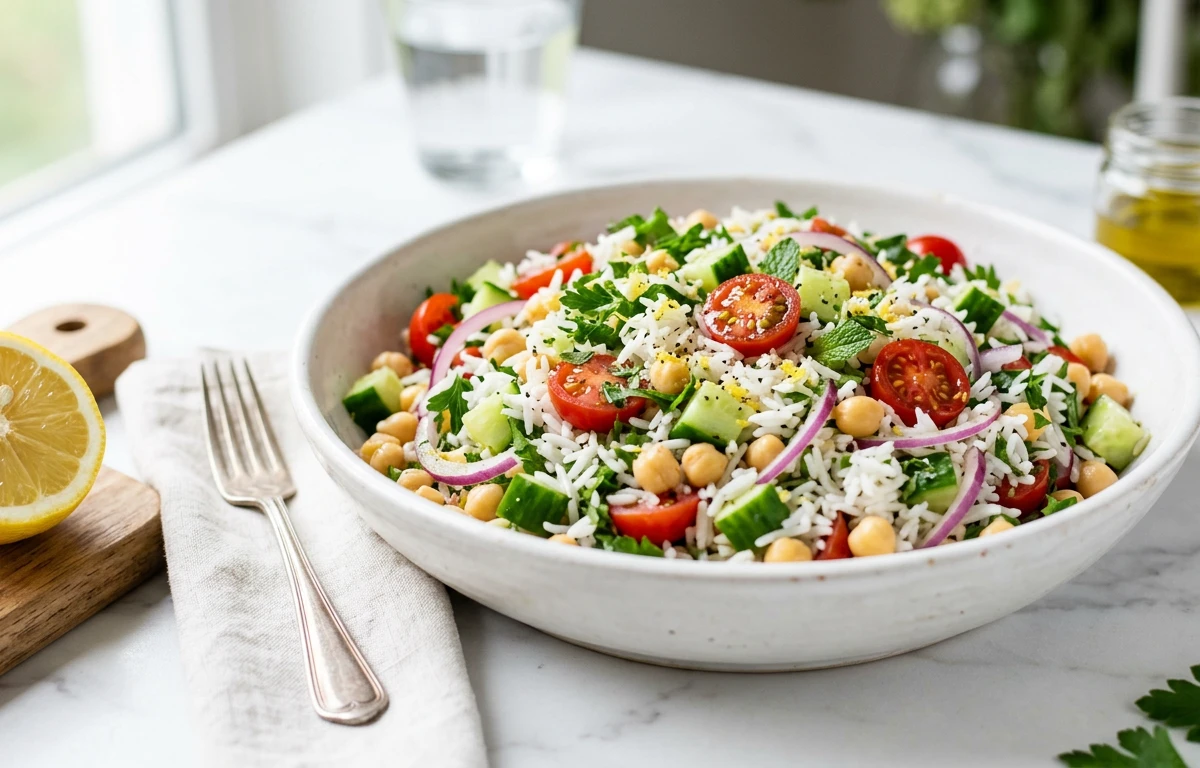
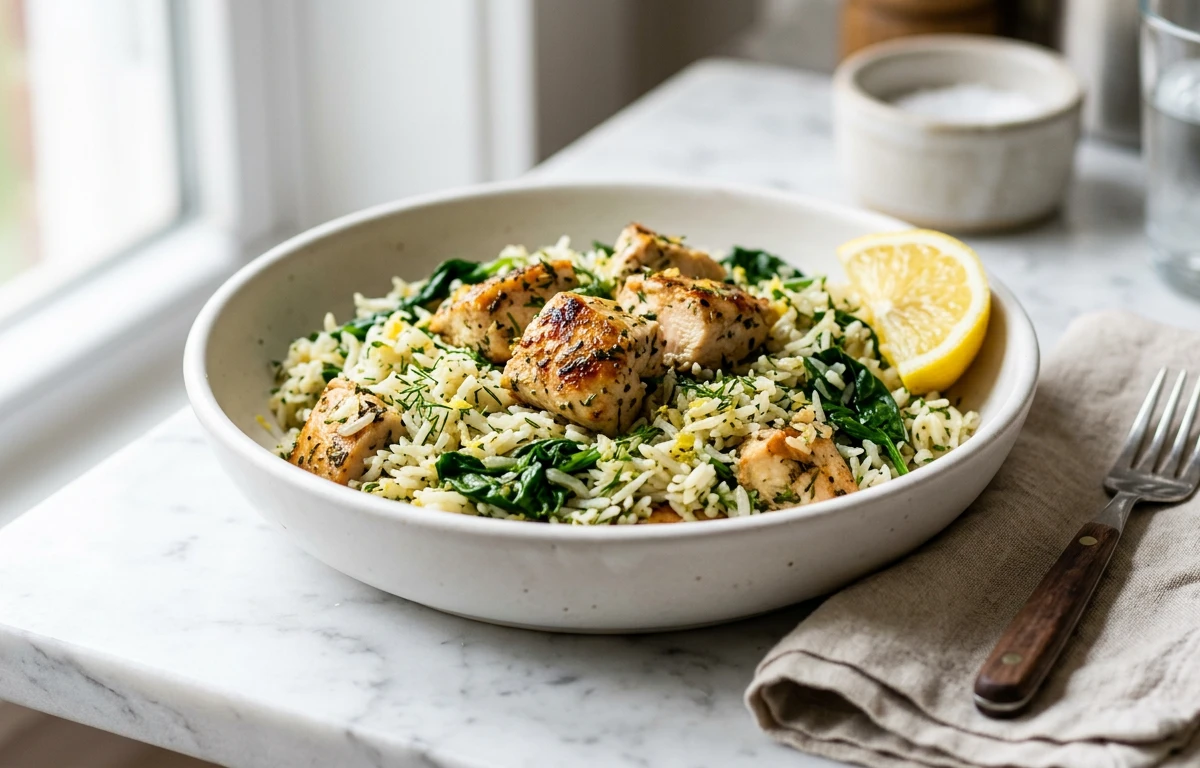
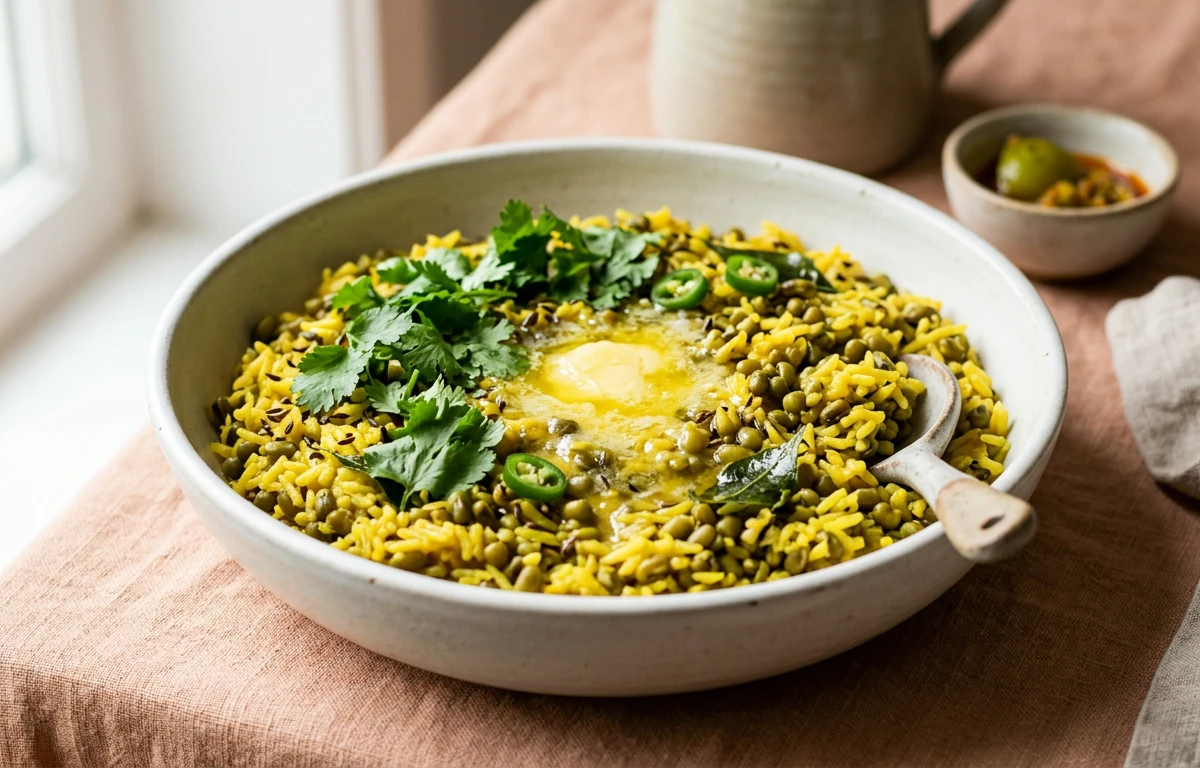
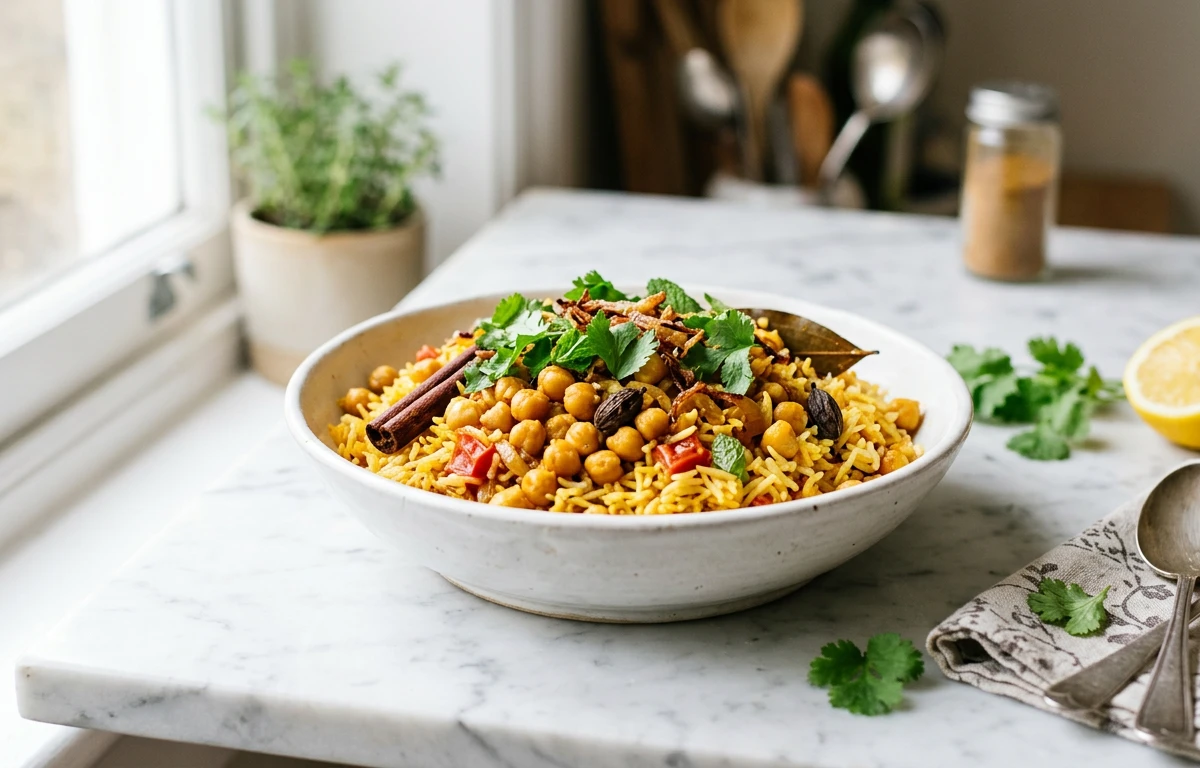
10 recipes · sorted by what’s quick