vegetable
bateta.
VegetarianVeganGluten-freeDairy-freeNut-freePeanut-freeSoy-freeEgg-freeShellfish-freeHoney-freeAlcohol-freeHalalKosher
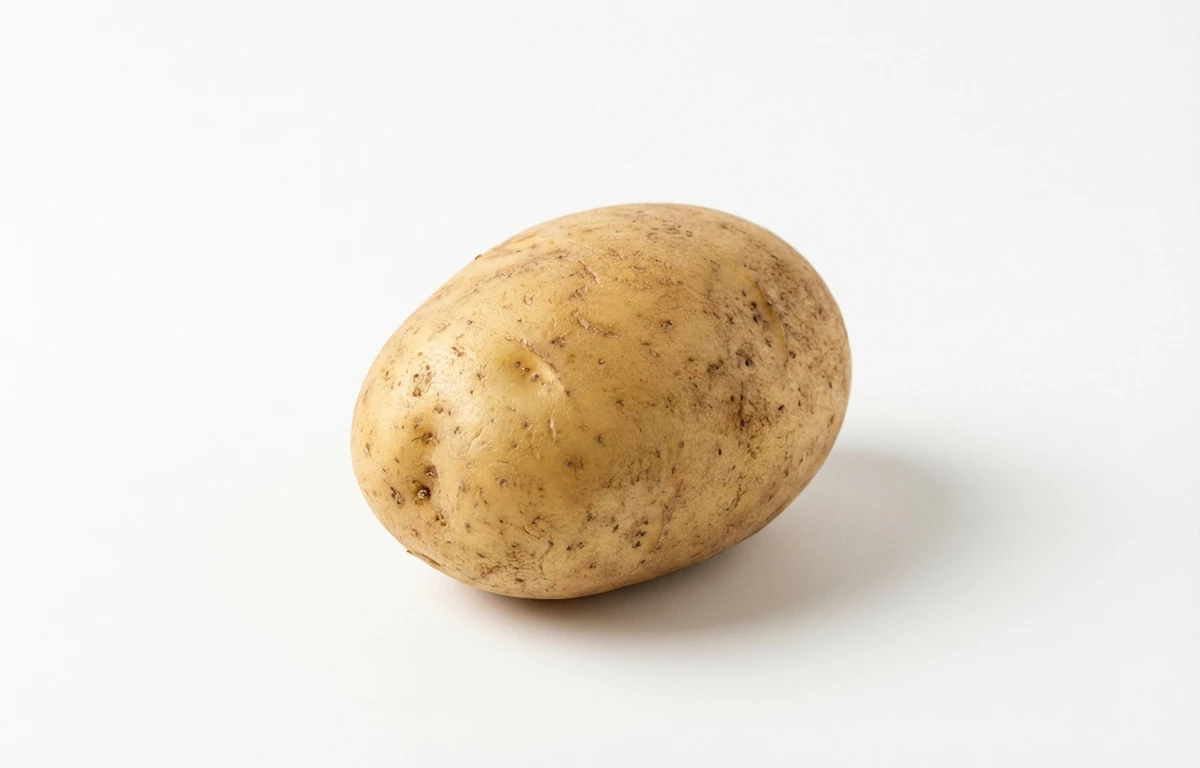
SERVING
CALORIES
77
PROTEIN
2.0g
CARBS
17.5g
FAT
0.09g
FIBER
2.1g
This ingredient is flagged as naturally gluten-free. Per 100 g, it provides 2.0 µg of vitamin K.
NUTRITION PROFILE · per 100 g
Everything in this ingredient.
MACRONUTRIENTS
Calories77kcal—
Protein2.0g4%
Carbohydrates17.5g6%
Fiber2.1g8%
Sugar0.82g2%
Total fat0.09g0%
Saturated fat0.03g0%
Trans fat0g—
Cholesterol0mg0%
Water79.3g—
MINERALS
Sodium6.0mg0%
Potassium429mg9%
Calcium12mg1%
Iron0.81mg5%
Magnesium23mg5%
Phosphorus57mg5%
Zinc0.30mg3%
Copper0.11mg12%
Manganese0.15mg7%
Selenium0.40µg1%
VITAMINS
Vitamin A1.0µg0%
Vitamin C19.7mg22%
Vitamin D0µg0%
Vitamin E0.01mg0%
Vitamin K2.0µg2%
Thiamin (B1)0.08mg7%
Riboflavin (B2)0.03mg2%
Niacin (B3)1.1mg7%
Pantothenic acid (B5)0.31mg6%
Vitamin B60.30mg18%
Biotin (B7)0.10µg0%
Folate (B9)15µg4%
Vitamin B120µg0%
%DV based on a 2,000 cal diet. Source: USDA FoodData Central. A dash in the %DV column means there’s no established Daily Value for that nutrient.
MEASUREMENT CONVERSIONS
How much is what.
1 cup155g
1 tablespoon10g
HEALTH BENEFITS
Why eat it.
- ✓Rich source of potassium, which is crucial for regulating blood pressure and fluid balance.
- ✓Contains resistant starch (when cooked and cooled), which acts as a prebiotic to support gut health.
- ✓Provides complex carbohydrates for sustained energy release.
COOKING TIPS
In the kitchen.
- 1For crispy roasted potatoes, parboil them first, then rough up the surface before roasting at high heat.
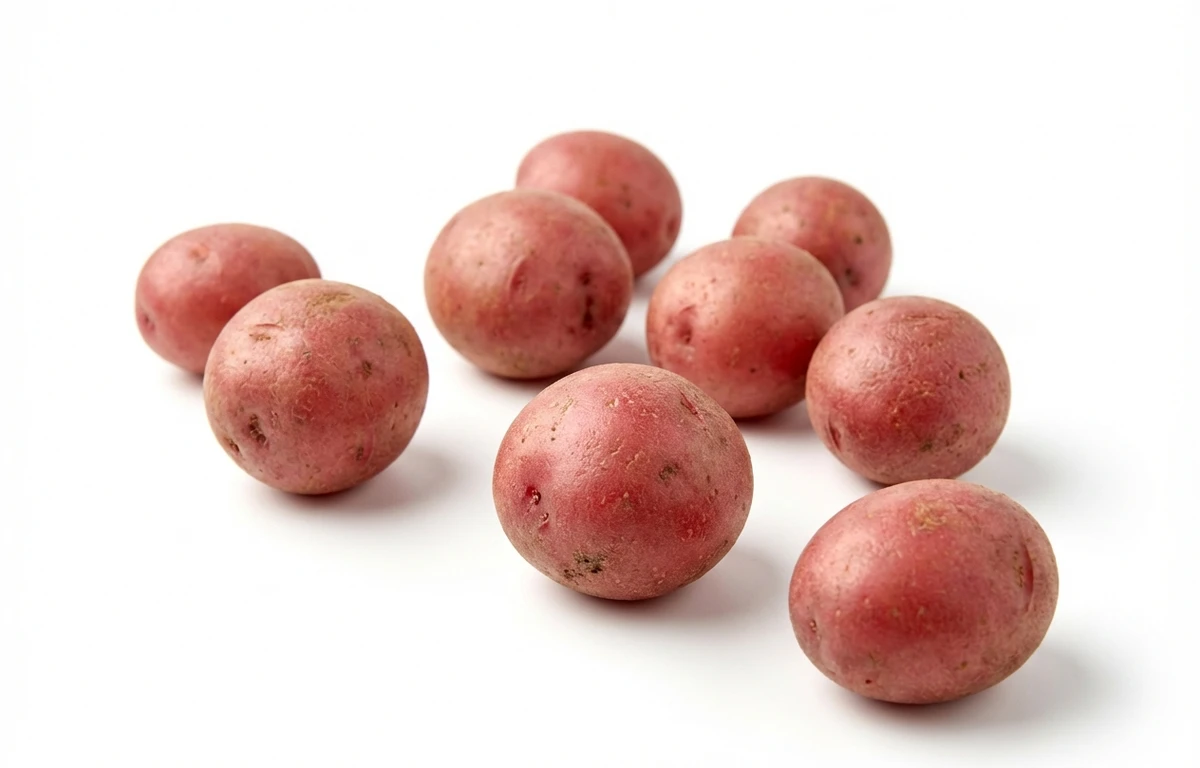
- 2Use starchy varieties like Russets for fluffy mashed potatoes and waxy varieties like Red or New Potatoes for salads and gratins as they hold their shape better.
- 3Soak cut potatoes in cold water for at least 30 minutes before frying to remove excess starch, resulting in crispier fries.
- 4The skin is a good source of fiber and nutrients; scrub well and leave it on for dishes like roasted potatoes or baked potatoes.
STORAGE
Keep it fresh.
- Store in a cool, dark, and well-ventilated place like a pantry, ideally between 45-50°F (7-10°C).
- Avoid storing in the refrigerator, as cold temperatures can convert starch to sugar, affecting taste and texture.
- Keep away from onions, which release gases that can cause potatoes to sprout prematurely.
FAQ
Frequently asked questions.
How many calories and carbs are in bateta?
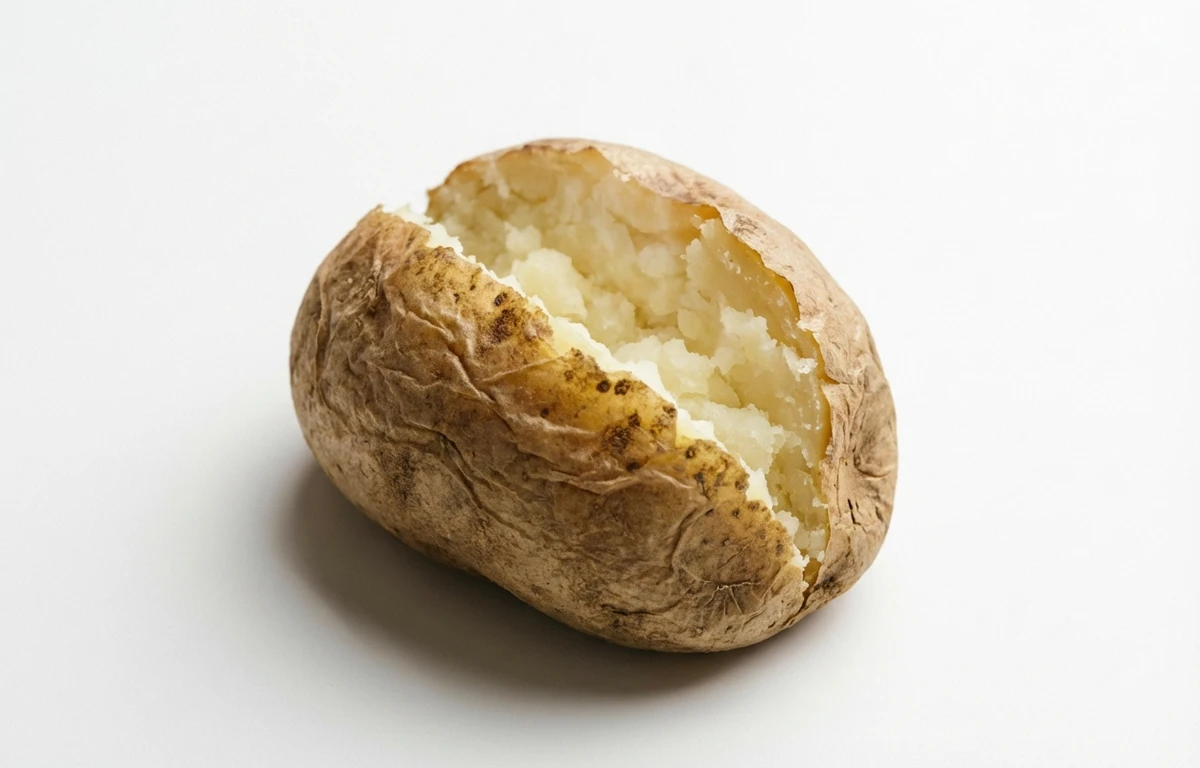
Per 100g, bateta contains approximately 77 calories and 17.49g of carbohydrates. It is a low-fat food with about 2.05g of protein and almost no fat (0.09g).
Is bateta keto-friendly?
No, bateta is generally not considered keto-friendly due to its high starch and carbohydrate content. With over 17g of carbs per 100g, it can easily exceed the daily carb limits required to maintain ketosis.
How do you cook bateta?
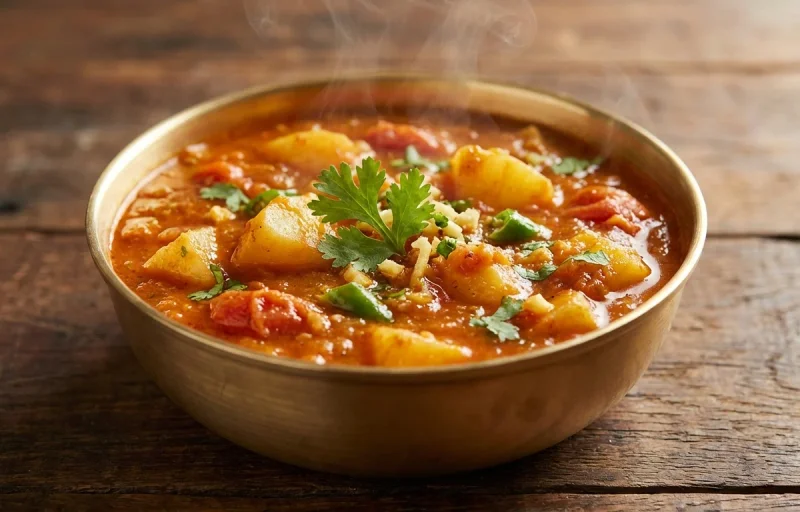
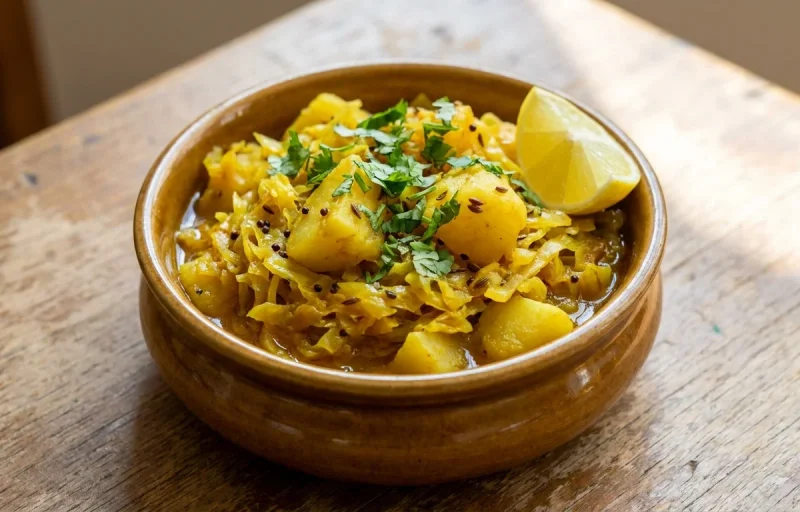
Bateta is incredibly versatile and can be boiled, mashed, roasted, or steamed. In many cultures, it is sautéed with spices, used in stews, or fried, though boiling and cooling it first can increase its resistant starch content.
What does bateta taste like?
Bateta has a mild, earthy, and slightly sweet flavor with a starchy, creamy texture. Because its flavor is neutral, it is excellent at absorbing the spices and seasonings of the dish it is prepared in.
How should I store bateta?
Store bateta in a cool, dark, and dry place with good ventilation, such as a pantry or a paper bag. Avoid refrigeration, as cold temperatures can convert the starch into sugar, changing the flavor and texture.
How can I tell if a bateta has gone bad?
A spoiled bateta will feel soft or mushy, have shriveled skin, or emit a foul odor. If you see green patches on the skin or heavy sprouting, it should be discarded as these can indicate the presence of solanine, a natural toxin.
Can I eat bateta raw?
It is not recommended to eat bateta raw because the uncooked starches can cause digestive discomfort and bloating. Cooking not only improves the flavor and texture but also makes the nutrients more bioavailable.
RECIPES
Cook with bateta.
0 recipes · sorted by what’s quick