Other4 recipes
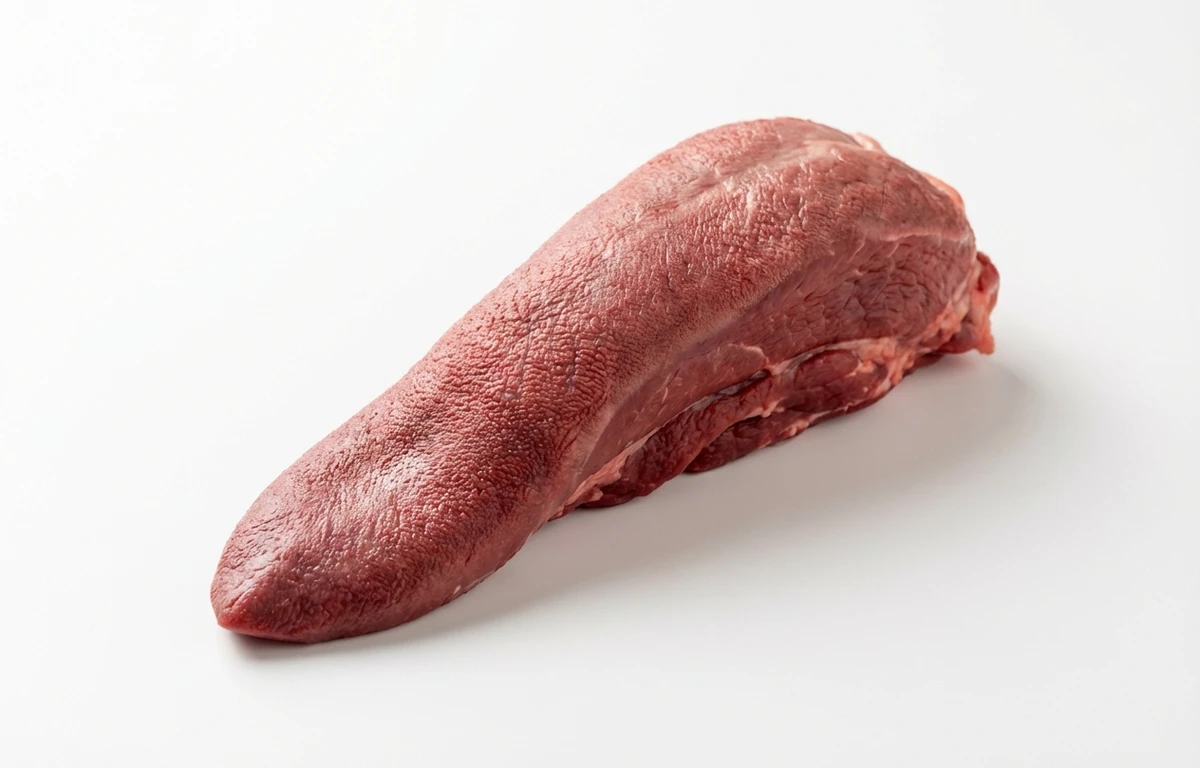
beef tongue.
VegetarianVeganGluten-freeDairy-freeNut-freePeanut-freeSoy-freeEgg-freeShellfish-freeHoney-freeAlcohol-free
ALSO KNOWN AS
cow tongueox tonguelenguaraw beef tongue
SERVING
CALORIES
224
PROTEIN
14.9g
CARBS
3.7g
FAT
16.1g
FIBER
0g
NUTRITION PROFILE · per 100 g
Everything in this ingredient.
MACRONUTRIENTS
Calories224kcal—
Protein14.9g30%
Carbohydrates3.7g1%
Fiber0g0%
Sugar0g0%
Total fat16.1g21%
Saturated fat6.3g32%
Trans fat0.80g—
Cholesterol108mg36%
Water64.5g—
MINERALS
Sodium65mg3%
Potassium185mg4%
Calcium7.0mg1%
Iron2.5mg14%
Magnesium14mg3%
Phosphorus135mg11%
Zinc3.4mg31%
Copper0.10mg11%
Manganese0.02mg1%
Selenium14.5µg26%
VITAMINS
Vitamin A0µg0%
Vitamin C1.2mg1%
Vitamin D0.10µg1%
Vitamin E0.20mg1%
Vitamin K1.1µg1%
Thiamin (B1)0.10mg8%
Riboflavin (B2)0.30mg23%
Niacin (B3)3.8mg24%
Pantothenic acid (B5)0.40mg8%
Vitamin B60.20mg12%
Biotin (B7)10.8µg36%
Folate (B9)4.0µg1%
Vitamin B123.1µg129%
%DV based on a 2,000 cal diet. Source: USDA FoodData Central. A dash in the %DV column means there’s no established Daily Value for that nutrient.
MEASUREMENT CONVERSIONS
How much is what.
1 oz28.4g
1 lb453.6g
1 piece1100g
HEALTH BENEFITS
Why eat it.
- ✓Excellent source of Vitamin B12 for nerve health
- ✓High in zinc which supports immune function
- ✓Rich in heme iron for healthy red blood cells
- ✓Provides high-quality complete protein
- ✓Contains essential fatty acids
COOKING TIPS
In the kitchen.
- 1Requires long, slow cooking (braising or boiling) to become tender
- 2The tough outer skin must be peeled off after cooking while still warm
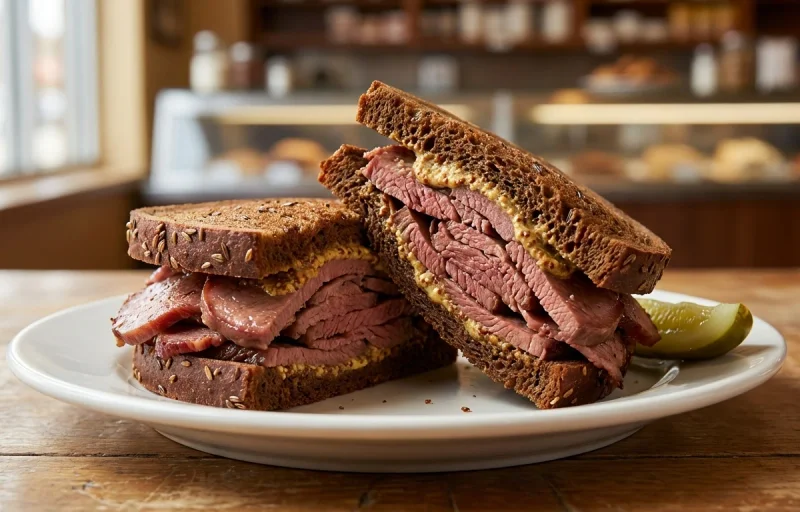
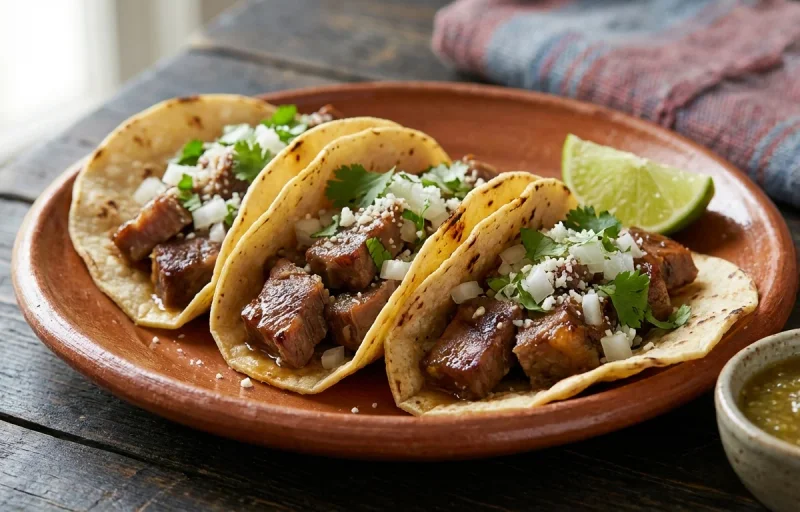
- 3Slice thinly against the grain for the best texture in tacos or sandwiches
STORAGE
Keep it fresh.
- Store raw in the coldest part of the refrigerator for up to 2-3 days
- Can be frozen for up to 4 months if tightly wrapped in airtight packaging
- Once cooked, store in an airtight container for up to 4 days
FAQ
Frequently asked questions.
How long does beef tongue last in the fridge?
Raw beef tongue should be used within 2 to 3 days of purchase. If cooked, it can last up to 4 days in an airtight container.
How do I choose a good quality beef tongue?
Look for a tongue that is firm to the touch and has a healthy pinkish-grey color. Avoid any that have a slimy texture or a strong, off-putting odor.
What is a good substitute for beef tongue?
Beef brisket or beef heart are the best substitutes as they offer a similar meaty flavor and benefit from slow cooking methods.
Do I need to peel beef tongue?
Yes, the outer skin is very tough and has a sandpaper-like texture. It is easiest to peel after the tongue has been boiled or slow-cooked.
Is beef tongue high in fat?
Yes, beef tongue is one of the fattier cuts of beef, containing about 16g of fat per 100g, which contributes to its tender, melt-in-the-mouth texture.
What are the most common dishes made with beef tongue?
It is most famously used in 'Lengua' tacos in Mexican cuisine, as well as in Japanese yakiniku (gyutan) and various European stews.
Can you freeze beef tongue?
Yes, beef tongue freezes very well. Wrap it tightly in plastic wrap and then foil or a freezer bag to prevent freezer burn for up to 4 months.
How do you prepare beef tongue for cooking?
Scrub the tongue thoroughly under cold running water to remove any debris before simmering it in a pot with aromatics like onion, garlic, and bay leaves.
RECIPES
Cook with beef tongue.
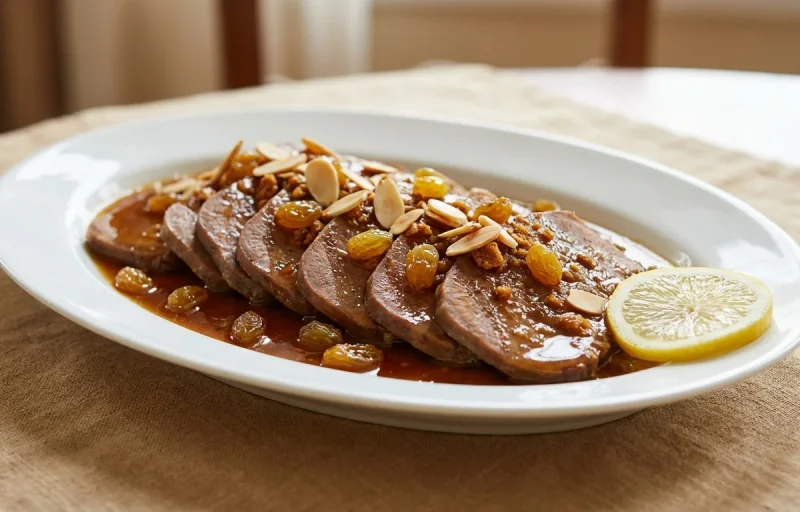
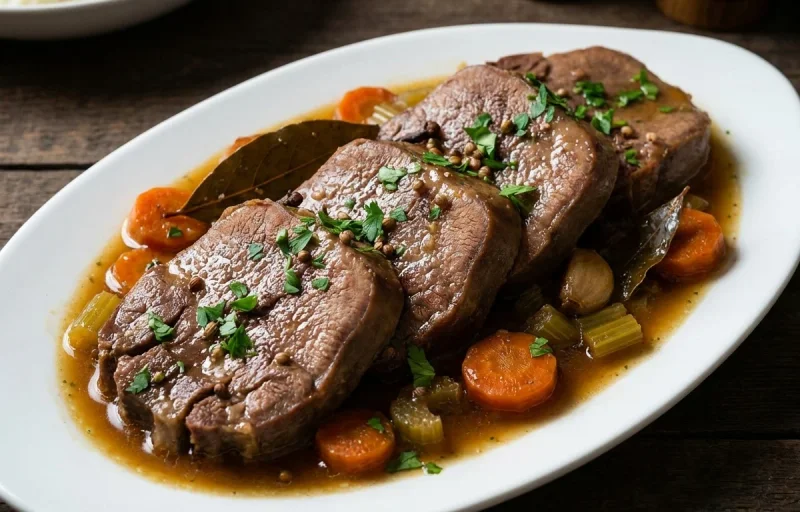
4 recipes · sorted by what’s quick