Protein10 recipes
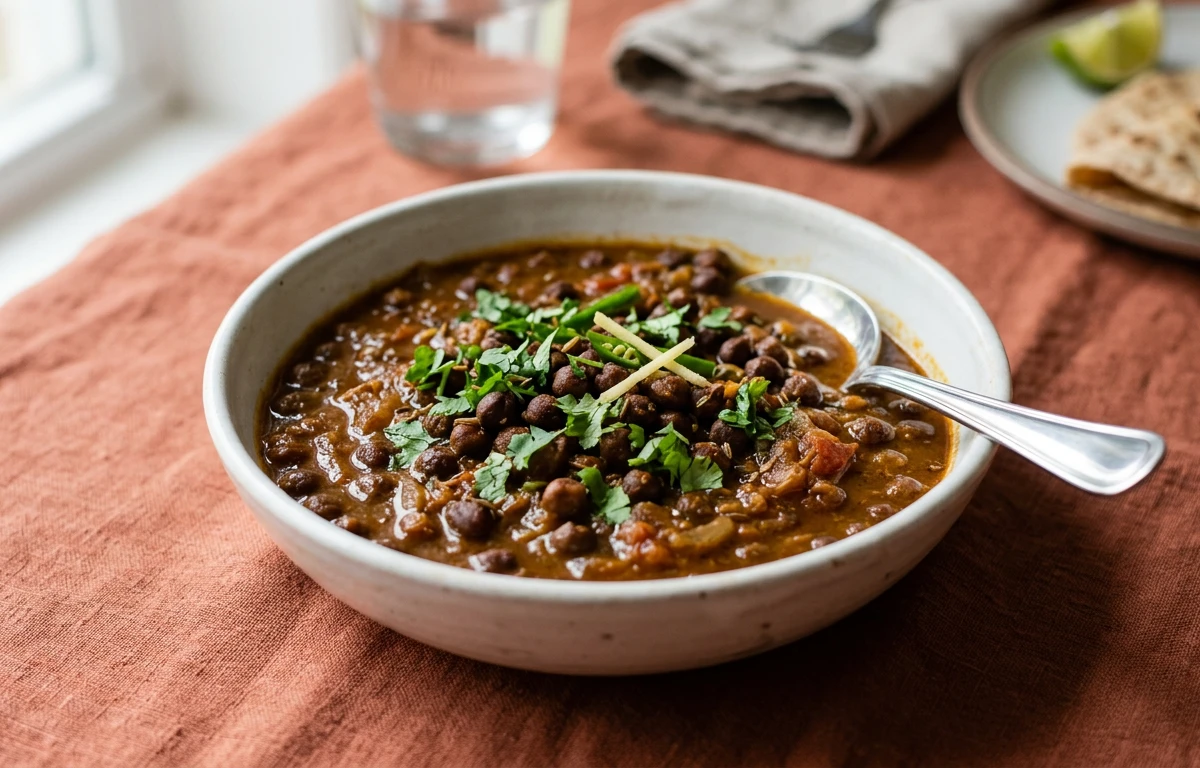
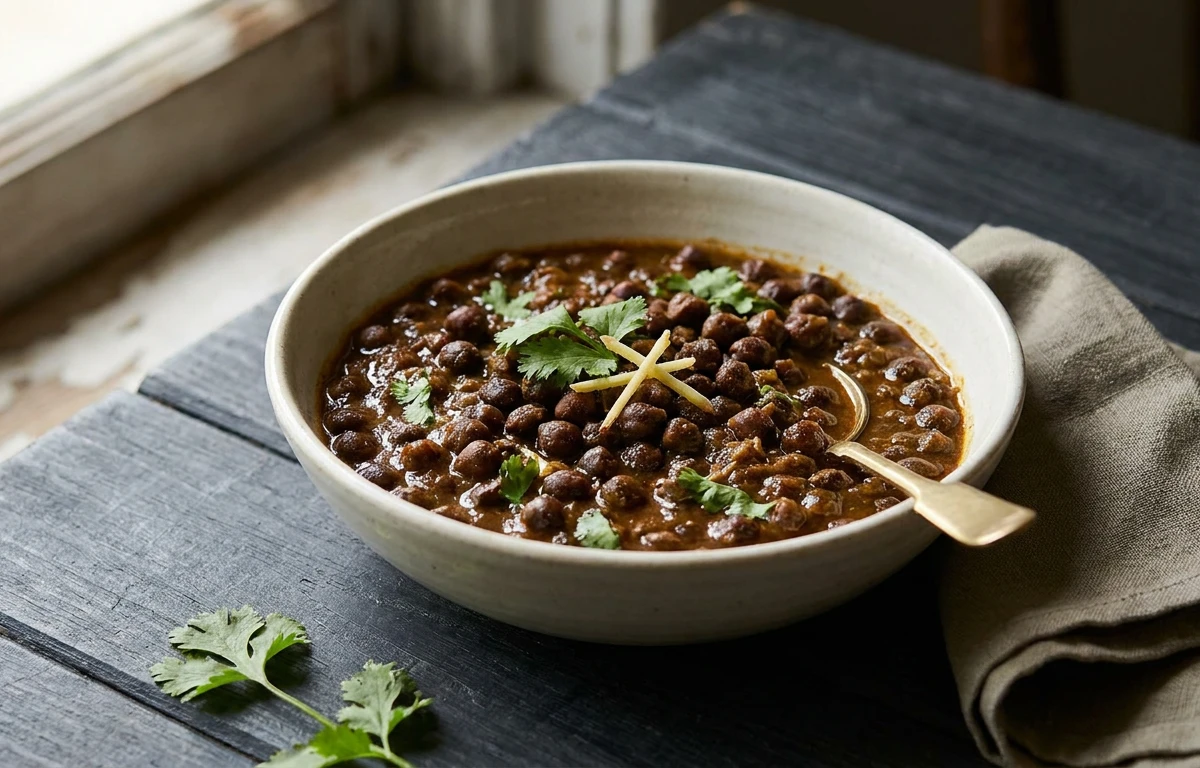
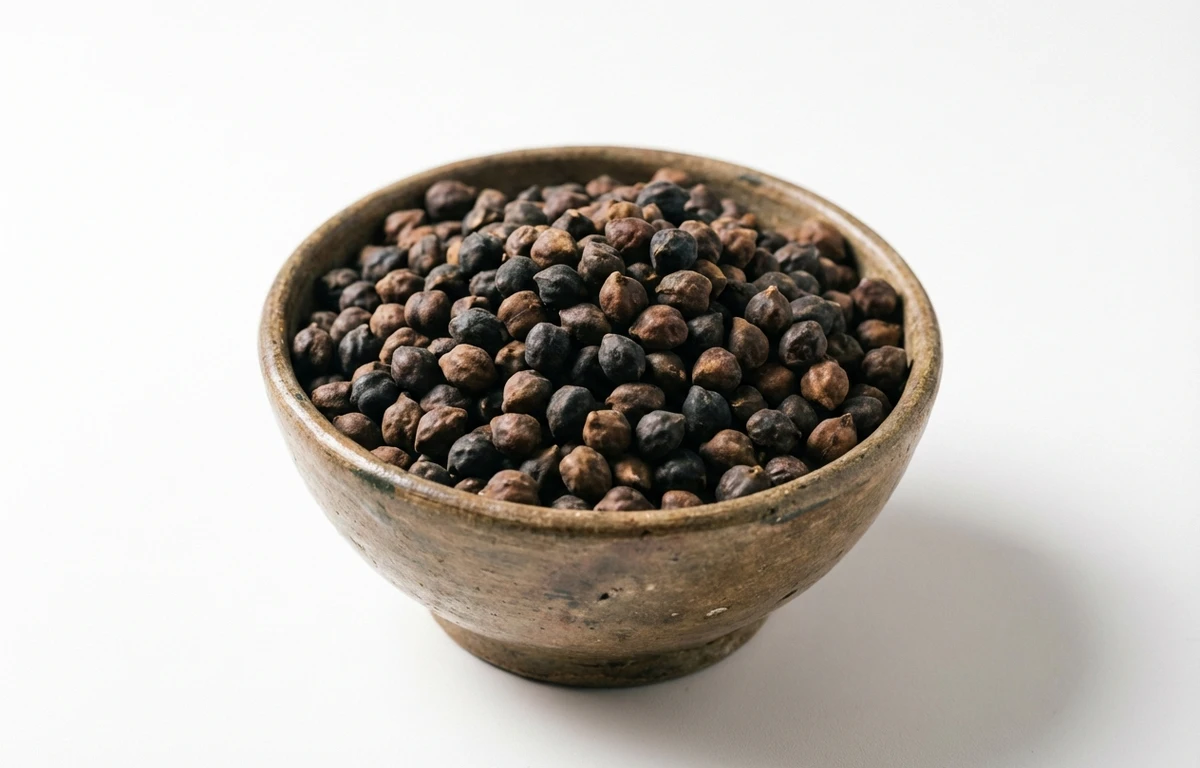
black chickpeas.
VegetarianVeganGluten-freeDairy-freeNut-freePeanut-freeSoy-freeEgg-freeShellfish-freeHoney-freeAlcohol-free
ALSO KNOWN AS
kala chanakala chana (black chickpeas), sproutedblack chana
SERVING
CALORIES
360
PROTEIN
20.5g
CARBS
60.9g
FAT
5.3g
FIBER
17.4g
NUTRITION PROFILE · per 100 g
Everything in this ingredient.
MACRONUTRIENTS
Calories360kcal—
Protein20.5g41%
Carbohydrates60.9g22%
Fiber17.4g62%
Sugar10.7g21%
Total fat5.3g7%
Saturated fat0.50g3%
Trans fat0g—
Cholesterol0mg0%
Water10g—
MINERALS
Sodium24mg1%
Potassium808mg17%
Calcium170mg13%
Iron4.6mg26%
Magnesium143mg34%
Phosphorus312mg25%
Zinc4.5mg41%
Copper1.1mg122%
Manganese1.0mg43%
Selenium0µg0%
VITAMINS
Vitamin A0µg0%
Vitamin C0.50mg1%
Vitamin D0µg0%
Vitamin E0mg0%
Vitamin K0µg0%
Thiamin (B1)0.30mg25%
Riboflavin (B2)0.10mg8%
Niacin (B3)2.9mg18%
Pantothenic acid (B5)0mg0%
Vitamin B60mg0%
Folate (B9)186µg47%
Vitamin B120µg0%
%DV based on a 2,000 cal diet. Source: USDA FoodData Central. A dash in the %DV column means there’s no established Daily Value for that nutrient.
MEASUREMENT CONVERSIONS
How much is what.
1 cup164g
1 tablespoon10.3g
1 teaspoon3.4g
1 ml0.7g
1 liter683.3g
HEALTH BENEFITS
Why eat it.
- ✓Excellent source of dietary fiber, which aids digestion, promotes satiety, and helps maintain bowel regularity.
- ✓Rich in plant-based protein, crucial for muscle building, tissue repair, and overall body function.
- ✓Has a low glycemic index, which helps in managing blood sugar levels, making it beneficial for individuals with diabetes.
- ✓High in essential minerals like iron, which prevents anemia, and manganese, which supports bone health and metabolism.
COOKING TIPS
In the kitchen.
- 1Always soak dried black chickpeas for at least 8 hours or overnight before cooking to soften them and reduce cooking time.
- 2For faster cooking, use a pressure cooker. After soaking, they typically cook in about 15-20 minutes under pressure.
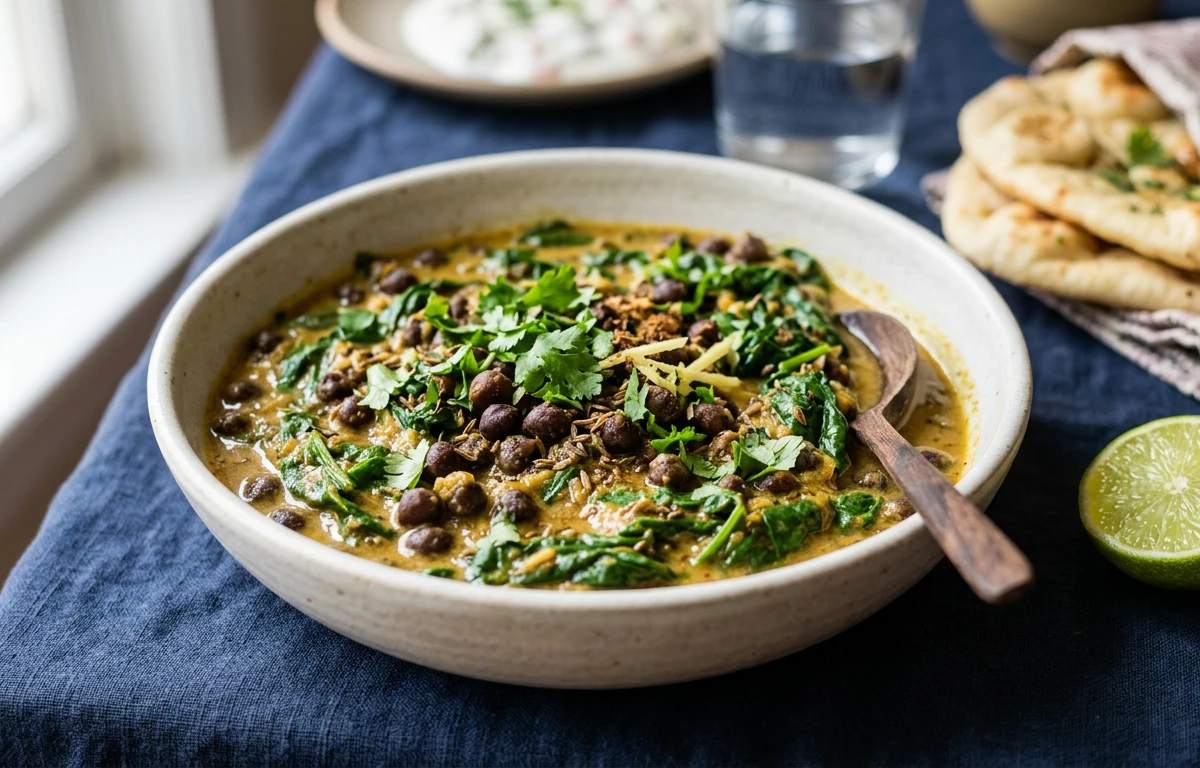
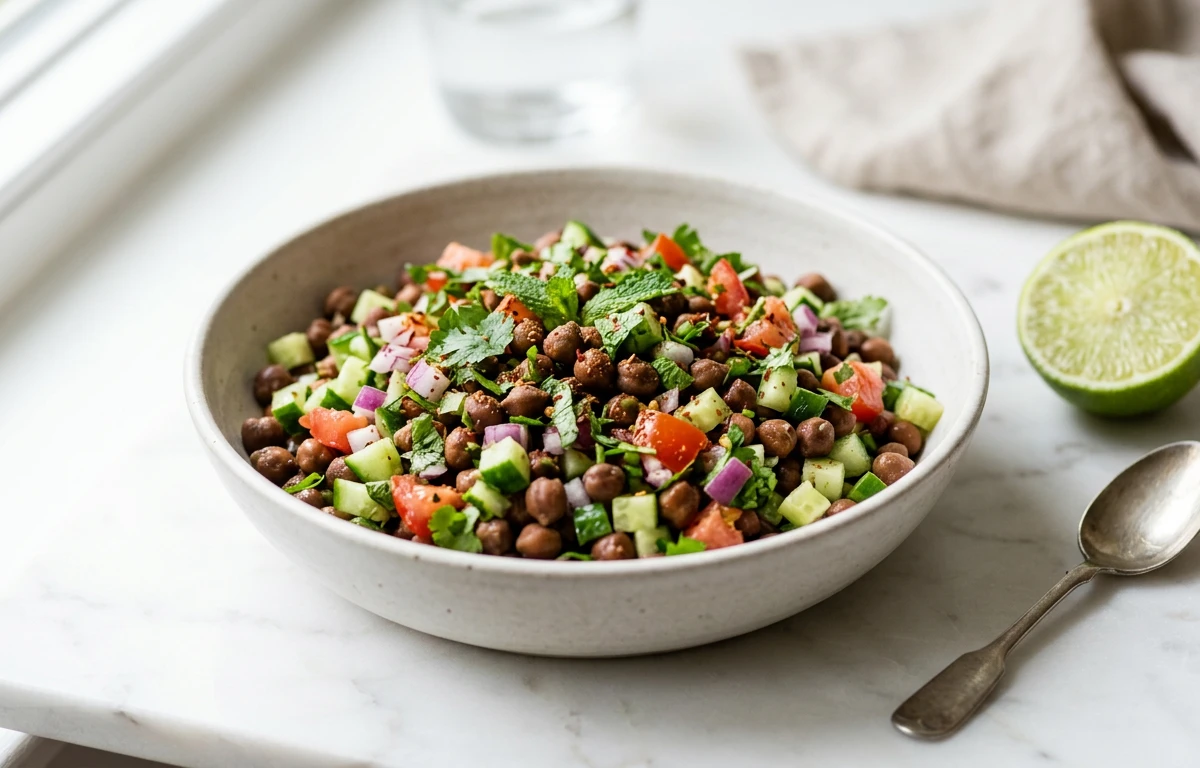
- 3Their robust, earthy flavor holds up well in hearty dishes like curries, stews, and spicy salads.
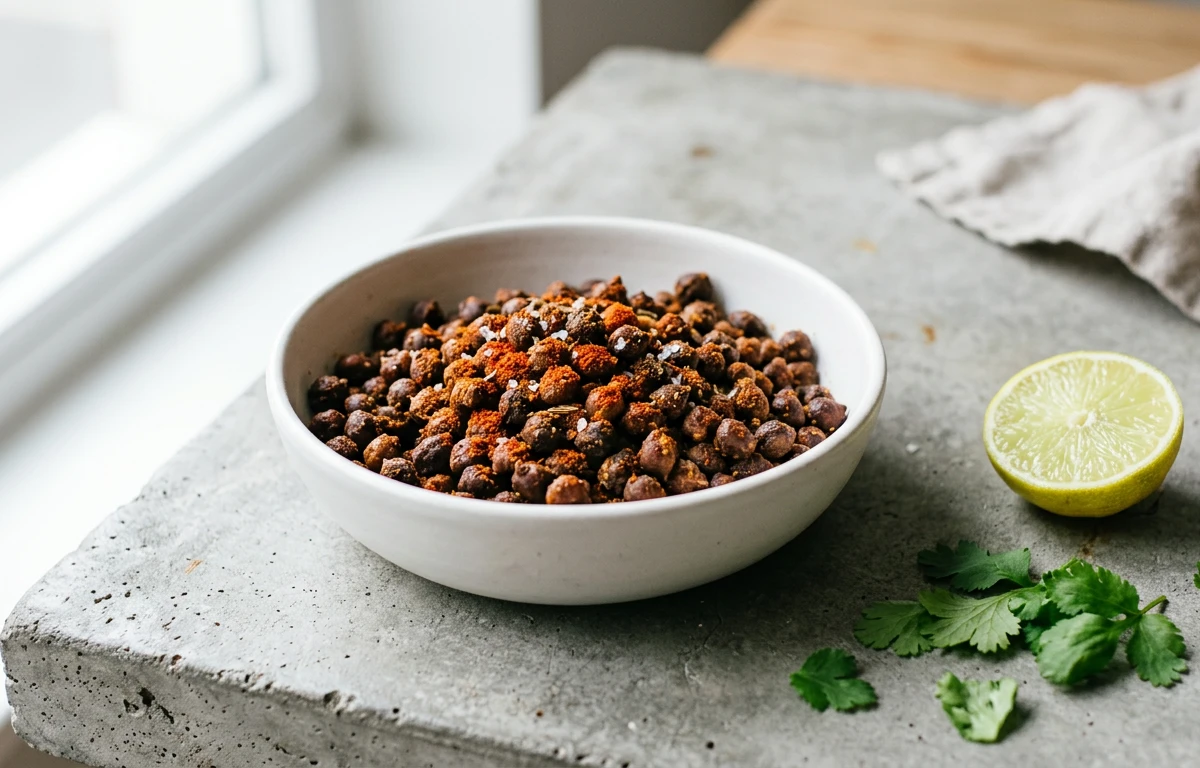
- 4Roast cooked black chickpeas with olive oil and spices until crispy for a nutritious and crunchy snack.
STORAGE
Keep it fresh.
- Store dried black chickpeas in an airtight container in a cool, dark, and dry pantry for up to one year.
- Once cooked, store them in a sealed container in the refrigerator for up to 4 days or freeze for up to 3 months.
FAQ
Frequently asked questions.
Are black chickpeas healthy?
Yes, black chickpeas are highly nutritious. They are an excellent source of dietary fiber, plant-based protein, and essential minerals like iron and manganese, which support digestion, muscle repair, and bone health.
How much protein is in black chickpeas?
Black chickpeas are a rich source of plant-based protein, containing approximately 20.5g of protein per 100g. This makes them an excellent meat alternative for vegetarians and vegans looking to support muscle growth and tissue repair.
Are black chickpeas good for weight loss?
Yes, they are beneficial for weight loss due to their high fiber and protein content. These nutrients promote satiety, helping you feel full for longer and reducing the likelihood of overeating throughout the day.
Are black chickpeas gluten-free and vegan?
Yes, black chickpeas are naturally gluten-free and 100% vegan. They are a safe and nutritious staple for individuals with celiac disease, gluten sensitivity, or those following a plant-based lifestyle.
Can diabetics eat black chickpeas?
Yes, black chickpeas are excellent for diabetics because they have a low glycemic index. This helps in managing blood sugar levels by causing a slow, steady release of glucose into the bloodstream rather than a sharp spike.
Are black chickpeas keto-friendly?
No, black chickpeas are generally not considered keto-friendly. With approximately 60.9g of carbohydrates per 100g, they are too high in carbs for a strict ketogenic diet, though they are a healthy complex carbohydrate for other dietary patterns.
How do you cook black chickpeas?
To cook black chickpeas, first soak them for 8-12 hours. Then, boil them in fresh water or use a pressure cooker for about 15-20 minutes (or 45-60 minutes in a regular pot) until tender. They are commonly used in curries, salads, and stews.
Do I need to soak black chickpeas before cooking?
Yes, soaking is highly recommended for at least 8 hours or overnight. Soaking reduces the cooking time significantly, improves the texture, and helps break down complex sugars that can cause digestive gas.
What do black chickpeas taste like?
Black chickpeas have a nuttier, earthier flavor and a firmer texture compared to regular beige chickpeas (garbanzo beans). They retain their shape well even after long cooking times, making them ideal for hearty soups and salads.
How do you store black chickpeas?
Dry black chickpeas should be stored in an airtight container in a cool, dry, and dark place for up to a year. Once cooked, they can be kept in the refrigerator for 3-5 days or frozen for up to 6 months.
RECIPES
Cook with black chickpeas.
10 recipes · sorted by what’s quick