
Vegetable10 recipes
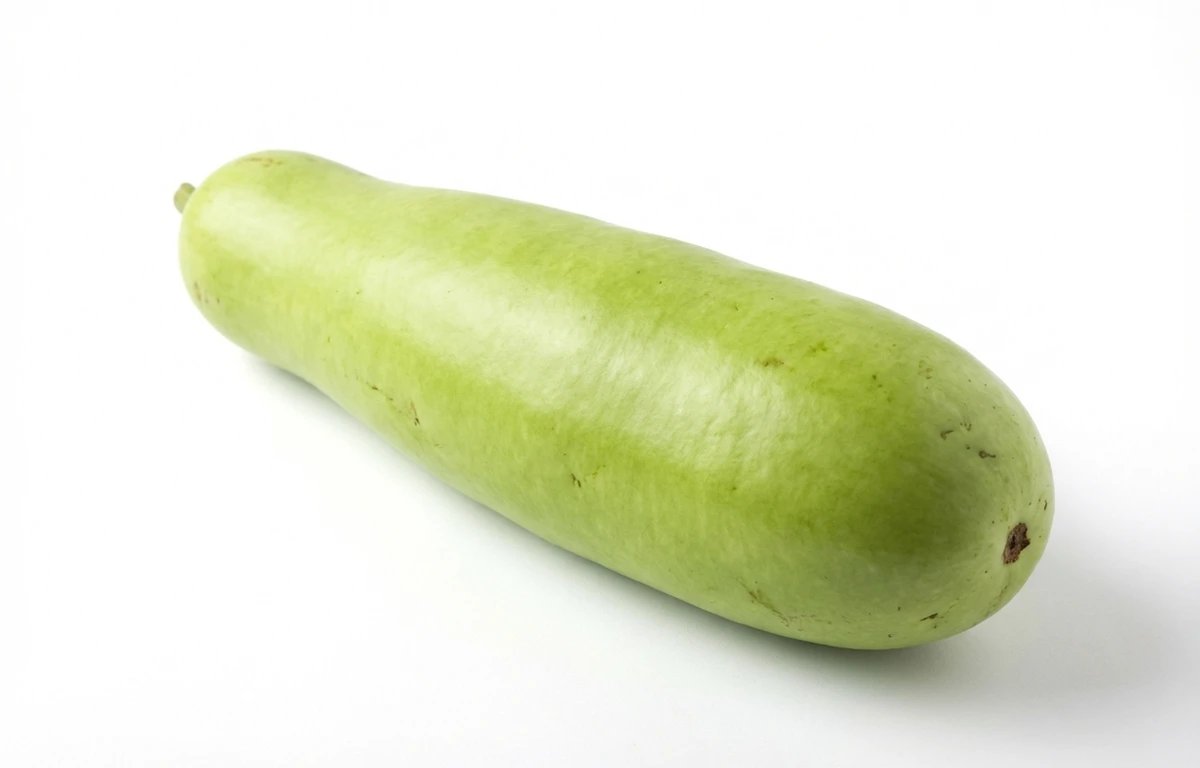
bottle gourd.
VegetarianVeganGluten-freeDairy-freeNut-freePeanut-freeSoy-freeEgg-freeShellfish-freeHoney-freeAlcohol-freeHalalKosher
ALSO KNOWN AS
laubottle gourd (lauki), cubedlaukighia
SERVING
CALORIES
14
PROTEIN
0.60g
CARBS
3.4g
FAT
0.02g
FIBER
0.50g
NUTRITION PROFILE · per 100 g
Everything in this ingredient.
MACRONUTRIENTS
Calories14kcal—
Protein0.60g1%
Carbohydrates3.4g1%
Fiber0.50g2%
Sugar1.1g2%
Total fat0.02g0%
Saturated fat0g0%
Trans fat0g—
Cholesterol0mg0%
Water96.1g—
MINERALS
Sodium2.0mg0%
Potassium150mg3%
Calcium26mg2%
Iron0.20mg1%
Magnesium11mg3%
Phosphorus13mg1%
Zinc0.70mg6%
Copper0.03mg3%
Manganese0.09mg4%
Selenium0.20µg0%
VITAMINS
Vitamin A0µg0%
Vitamin C10.1mg11%
Vitamin D0µg0%
Vitamin E0mg0%
Vitamin K0.30µg0%
Thiamin (B1)0.03mg3%
Riboflavin (B2)0.02mg2%
Niacin (B3)0.30mg2%
Pantothenic acid (B5)0.15mg3%
Vitamin B60.04mg2%
Folate (B9)6.0µg2%
Vitamin B120µg0%
%DV based on a 2,000 cal diet. Source: USDA FoodData Central. A dash in the %DV column means there’s no established Daily Value for that nutrient.
MEASUREMENT CONVERSIONS
How much is what.
1 cup116g
1 tablespoon7g
1 teaspoon2g
1 ml0.5g
1 liter466.7g
1 piece500g
HEALTH BENEFITS
Why eat it.
- ✓High in water content (over 90%), which helps in keeping the body hydrated.
- ✓Low in calories and rich in dietary fiber, aiding in weight management and promoting healthy digestion.
- ✓Contains essential vitamins and minerals, including Vitamin C, Vitamin K, and calcium, which support immune function and bone health.
- ✓Traditionally believed to have a cooling effect on the body and support urinary tract health.
COOKING TIPS
In the kitchen.
- 1Always peel the skin before cooking, as it can be tough. The seeds and spongy core are edible but can be removed for a smoother texture.
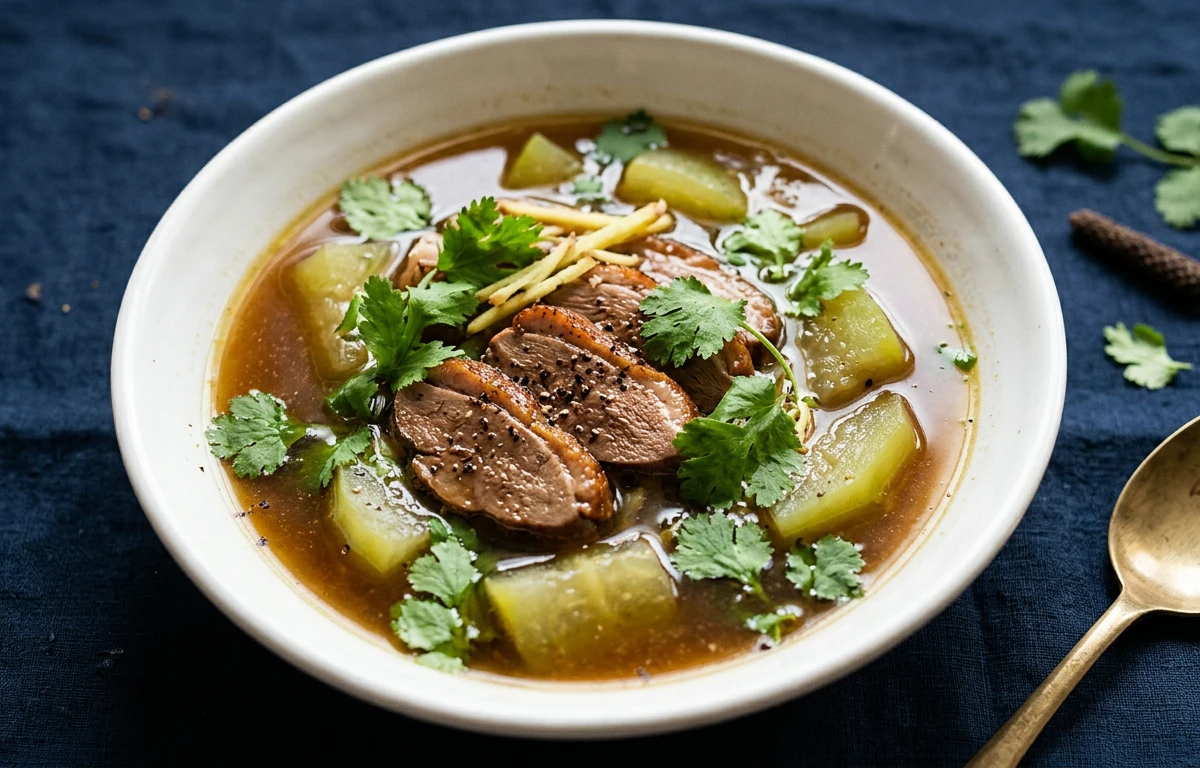
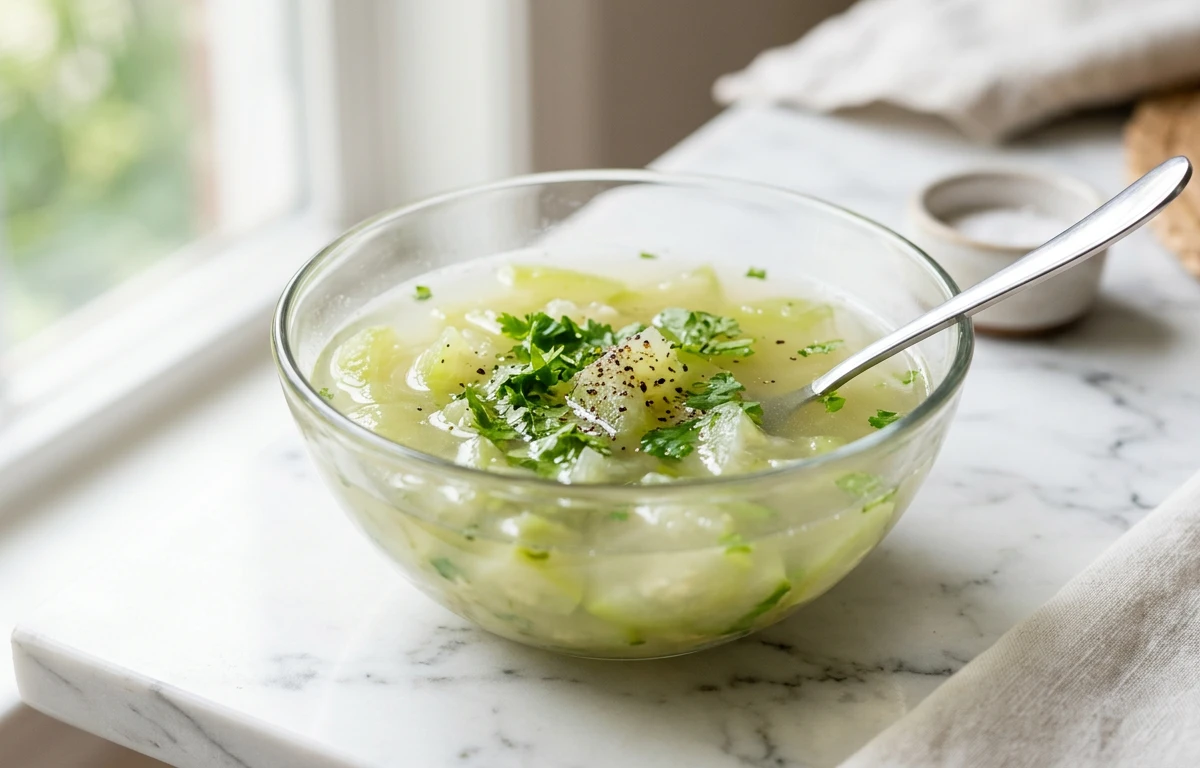
- 2The mild flavor and spongy texture of bottle gourd allow it to absorb spices and flavors well, making it excellent for curries, soups, and stews.
- 3It cooks very quickly. To prevent it from becoming mushy, add it towards the end of the cooking process.
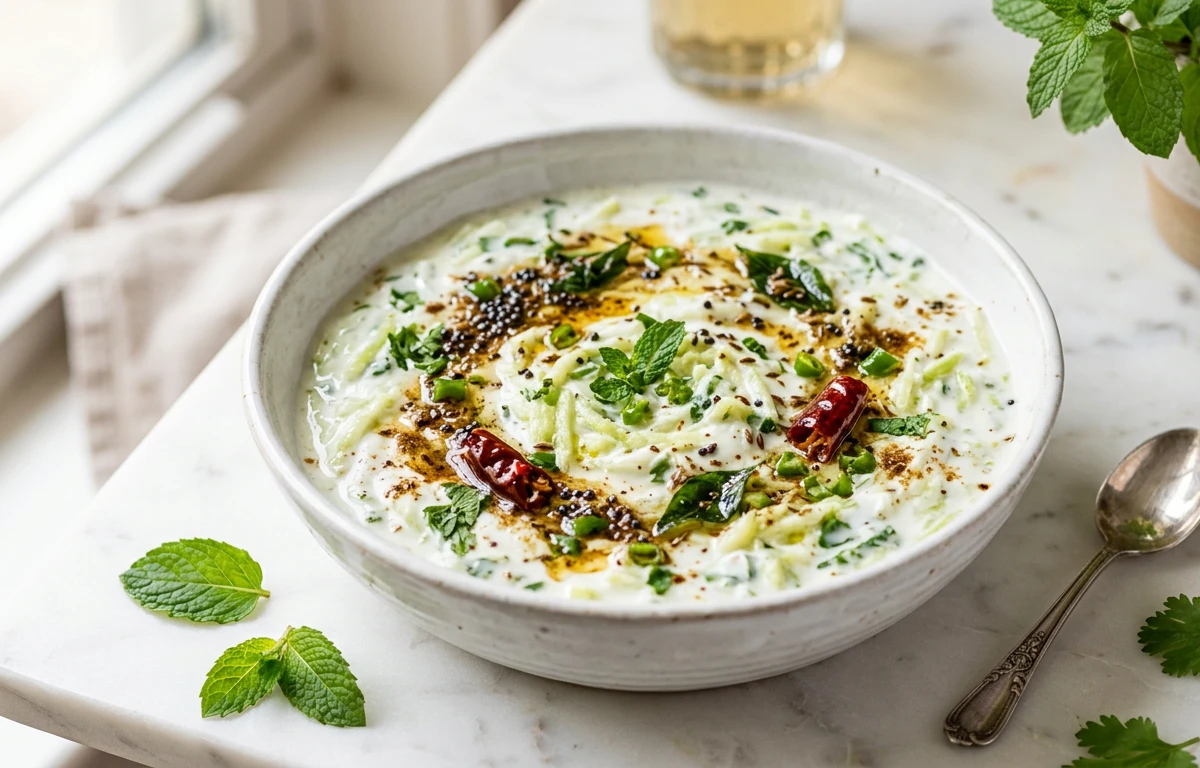
- 4Grated bottle gourd can be used to make savory fritters, dumplings (kofta), or even sweet dishes like halwa (pudding).
STORAGE
Keep it fresh.
- Store a whole, uncut bottle gourd in a cool, dry place for up to a week.
- Once cut, wrap the pieces in plastic or place them in an airtight container and refrigerate for up to 3-4 days.
FAQ
Frequently asked questions.
Is bottle gourd healthy?
Yes, bottle gourd is highly nutritious and low in calories, containing only 14 calories per 100g. It is over 90% water, making it excellent for hydration, and provides essential nutrients like Vitamin C, Vitamin K, and calcium to support immune and bone health.
Is bottle gourd good for weight loss?
Bottle gourd is an ideal food for weight management because it is very low in calories and fat while being rich in dietary fiber. The fiber content helps you feel full for longer periods, reducing the likelihood of overeating.
Is bottle gourd keto-friendly?
Yes, bottle gourd is keto-friendly as it contains only 3.4g of carbohydrates per 100g. Its low carb count and high water content make it a suitable vegetable for those following ketogenic or low-carb diets.
Can diabetics eat bottle gourd?
Bottle gourd is beneficial for diabetics due to its low glycemic index and high fiber content. These properties help in regulating blood sugar levels and improving insulin sensitivity when included as part of a balanced diet.
How do you cook bottle gourd?
Bottle gourd should be peeled and the seeds removed if they are large and tough. It can be chopped and sautéed with spices, added to lentil soups (dal), steamed, or even grated to make desserts like halwa.
Can I eat bottle gourd raw?
While some people consume bottle gourd juice raw, it is generally safer to cook it. Most importantly, you must never consume bottle gourd—raw or cooked—if it tastes bitter, as this indicates toxic compounds called cucurbitacins that can cause severe illness.
How do you store bottle gourd?
Store whole bottle gourd in the refrigerator's vegetable crisper drawer, where it will stay fresh for about a week. Once cut, wrap the exposed end tightly in plastic wrap or store pieces in an airtight container and use within 2-3 days.
How do you know if bottle gourd is fresh?
A fresh bottle gourd should be firm to the touch with a smooth, pale green skin. Avoid gourds that have soft spots, dark blemishes, or skin that looks shriveled, as these are signs of age or spoilage.
What does bottle gourd taste like?
Bottle gourd has a very mild, slightly sweet, and neutral flavor, similar to a cucumber or a firm zucchini. Because of its mild taste, it easily absorbs the flavors of the spices and sauces it is cooked with.
Does bottle gourd help with digestion?
Yes, bottle gourd is excellent for digestion due to its high water and fiber content. It helps prevent constipation, promotes smooth bowel movements, and is traditionally used to provide a cooling effect on the digestive system.
RECIPES
Cook with bottle gourd.
10 recipes · sorted by what’s quick
.webp)
.webp)
.webp)



















