Grain2 recipes
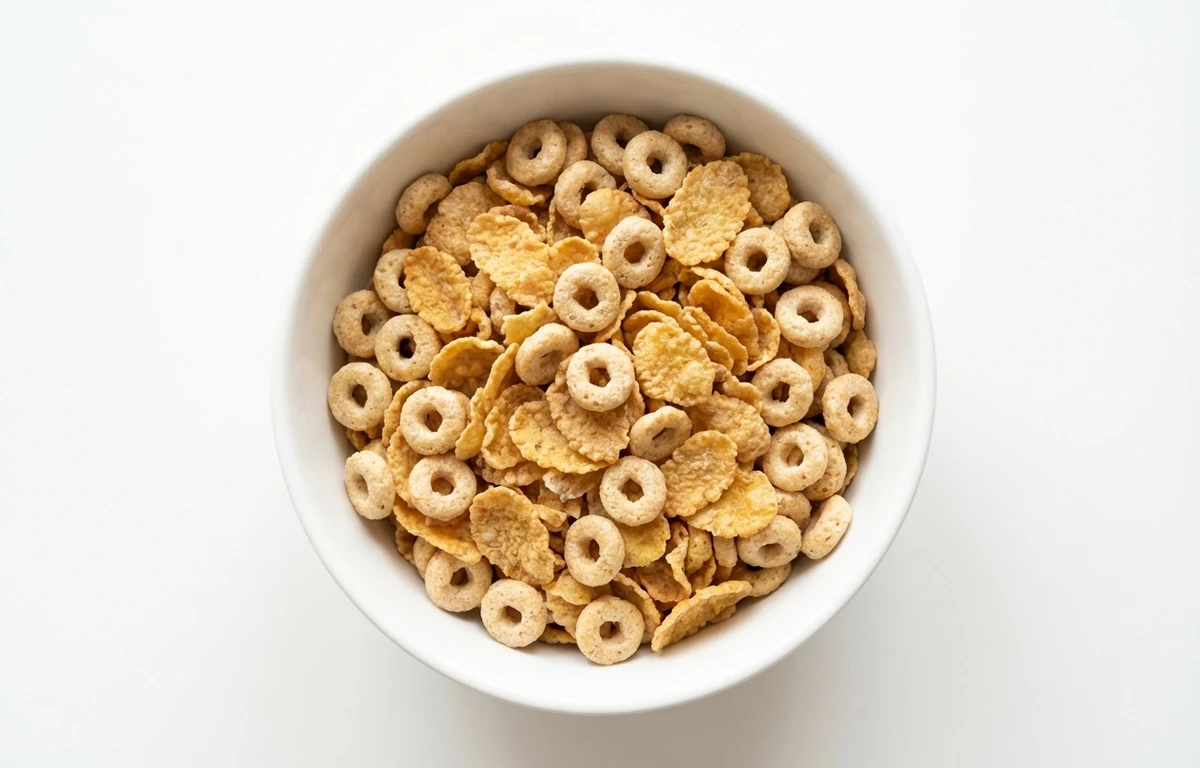
breakfast cereal.
VegetarianVeganGluten-freeDairy-freeNut-freePeanut-freeSoy-freeEgg-freeShellfish-freeHoney-freeAlcohol-free
ALSO KNOWN AS
cerealwheat flakesmultigrain flakesbreakfast cerealbran flakeswhole wheat cerealcereal flakeswhole grain cereal flakes
SERVING
CALORIES
375
PROTEIN
7.0g
CARBS
85g
FAT
3.0g
FIBER
4.0g
NUTRITION PROFILE · per 100 g
Everything in this ingredient.
MACRONUTRIENTS
Calories375kcal—
Protein7.0g14%
Carbohydrates85g31%
Fiber4.0g14%
Sugar25g50%
Total fat3.0g4%
Saturated fat0.50g3%
Trans fat0g—
Water4.0g—
MINERALS
Sodium250mg11%
Potassium120mg3%
Calcium150mg12%
Iron9.0mg50%
Magnesium48mg11%
Phosphorus140mg11%
Zinc1.2mg11%
Copper0.13mg14%
Manganese0.50mg22%
Selenium10.5µg19%
VITAMINS
Vitamin A149µg17%
Vitamin C10.5mg12%
Vitamin D1.5µg8%
Vitamin E0.10mg1%
Vitamin K0.30µg0%
Thiamin (B1)0.30mg25%
Riboflavin (B2)0.40mg31%
Niacin (B3)4.5mg28%
Pantothenic acid (B5)0.50mg10%
Vitamin B60.40mg24%
Folate (B9)150µg38%
Vitamin B121.5µg63%
%DV based on a 2,000 cal diet. Source: USDA FoodData Central. A dash in the %DV column means there’s no established Daily Value for that nutrient.
MEASUREMENT CONVERSIONS
How much is what.
1 cup30g
1 tablespoon1.9g
1 teaspoon0.6g
1 ml0.1g
1 liter125.3g
HEALTH BENEFITS
Why eat it.
- ✓Often fortified with essential vitamins and minerals, such as iron, B vitamins (folic acid, niacin), and vitamin D, which can help prevent nutrient deficiencies.
- ✓Whole-grain varieties are a good source of dietary fiber, which supports digestive health, promotes satiety, and can help regulate blood sugar levels.
- ✓Provides a quick source of carbohydrates for energy to start the day.
- ✓Certain whole-grain cereals, particularly those containing oats or barley, can help lower LDL ('bad') cholesterol levels, supporting heart health.
COOKING TIPS
In the kitchen.
- 1Use crushed cereal (like corn flakes or bran flakes) as a crunchy coating for baked or fried chicken, fish, or pork chops.
- 2Incorporate whole or slightly crushed cereal into baked goods like cookies, muffins, or granola bars for added texture and flavor.
- 3Mix with melted marshmallows and butter to create classic no-bake cereal treats.
- 4Use as a versatile topping for yogurt, ice cream, or even savory casseroles to add a sweet or savory crunch.
STORAGE
Keep it fresh.
- Store in a cool, dry place like a pantry, away from direct sunlight and heat to prevent staleness.
- After opening, tightly seal the inner bag by rolling it down and using a clip, or transfer the cereal to an airtight container to maintain freshness and prevent pests.
FAQ
Frequently asked questions.
Is breakfast cereal healthy?
The healthiness of breakfast cereal depends on the variety. Whole-grain options are beneficial as they provide fiber and essential nutrients, while highly processed cereals can be high in added sugars and low in fiber. Look for cereals with minimal ingredients and low sugar content for the best health benefits.
Is breakfast cereal good for weight loss?
Cereal can be part of a weight loss diet if you choose high-fiber, whole-grain versions that promote fullness. However, because cereal is carbohydrate-dense (85g per 100g), it is important to monitor portion sizes and avoid varieties with high amounts of added sugar.
What are the nutritional benefits of fortified cereals?
Many cereals are fortified with essential vitamins and minerals like iron, B vitamins (folic acid, niacin), and vitamin D. This helps prevent nutrient deficiencies and provides a quick source of energy to start the day, especially for those with busy lifestyles.
Is breakfast cereal vegan?
Many cereals are vegan, but some contain animal-derived ingredients like honey, milk solids, or Vitamin D3 (often derived from lanolin). If you follow a vegan diet, check the label for these specific ingredients or look for a certified vegan seal.
Is breakfast cereal gluten-free?
Not all cereals are gluten-free, as many are made from wheat, barley, or rye. While corn and rice-based cereals are naturally gluten-free, they are often processed in facilities that handle wheat, so it is best to look for a 'certified gluten-free' label if you have a sensitivity.
Can I eat breakfast cereal raw or dry?
Yes, breakfast cereal is safe to eat dry and is often used as a convenient snack. While traditionally served with milk, eating it dry preserves its crunchy texture, though you may miss out on the additional protein and calcium provided by dairy or plant-based milks.
How can I use breakfast cereal in cooking?
Cereal is a versatile ingredient that can be crushed and used as a breading for chicken or fish, or as a crunchy topping for casseroles. It is also commonly used in baking recipes for cookies, muffins, and marshmallow-based treat bars.
How should I store breakfast cereal to keep it fresh?
To prevent cereal from going stale, store it in a cool, dry place. Once the original bag is opened, ensure it is tightly rolled and clipped, or transfer the cereal to an airtight plastic or glass container to maintain its crunch.
How long does breakfast cereal last?
Unopened cereal typically stays fresh for 6 to 12 months. Once opened, it is best to consume it within 2 to 3 months for the best flavor and texture, though it remains safe to eat as long as it is kept dry and shows no signs of spoilage.
Does breakfast cereal help with heart health?
Whole-grain cereals, particularly those containing oats or barley, can support heart health by helping to lower LDL ('bad') cholesterol. The dietary fiber found in these grains helps regulate blood sugar levels and promotes overall cardiovascular wellness.
RECIPES
Cook with breakfast cereal.
2 recipes · sorted by what’s quick